Ports of Prosperity: Philippines’ New Strategy for Food Security
In the Philippines, an ambitious plan to build 17 new deep-water ports could transform the agricultural sector.
Agriculture Secretary Francisco Tiu Laurel Jr. has unveiled this strategy to bridge a 27-year gap in infrastructure investment.
The ports aim to lower the cost of agricultural inputs like fertilizer by enhancing supply chain efficiency.
Laurel, a key figure in the fishing industry, highlighted at a Manila forum the urgency of this development to combat rising food prices—a significant burden on Filipinos.
Such infrastructural advancements are expected to decrease fertilizer costs by up to 15%.
Moreover, these efforts are in line with President Ferdinand Marcos Jr.’s broader objectives to ensure food security.
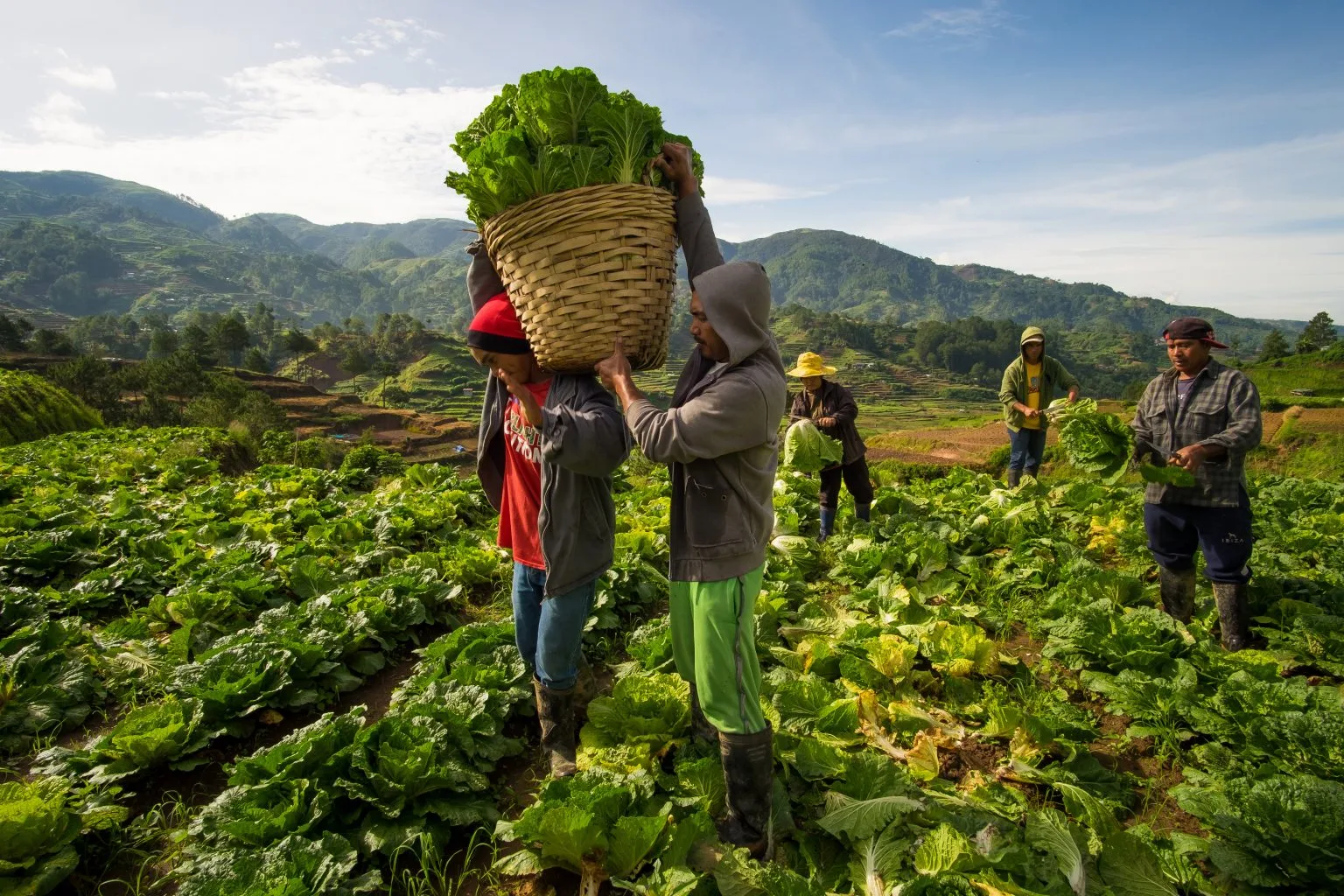
Agriculture plays a crucial role in the Philippines, employing one-fourth of the workforce and contributing 10% to the GDP.
Simultaneously, the Department of Trade and Industry (DTI), alongside the Department of Agriculture (DA) and the National Irrigation Administration (NIA), is pushing the Integrated Rice Supply Chain Development Program.
Modernizing Food Distribution in the Philippines
This initiative seeks to make the journey from farm to market more efficient, boosting the competitiveness of the domestic rice market.
In addition, it also aims to reduce the logistics costs borne by farmers.
It involves renovating food terminals and establishing new hubs in key areas, including the National Capital Region, to optimize food distribution.
Moreover, the DTI is adopting modern technologies to enhance logistics through its Food Logistics Agenda.
This includes partnerships aimed at helping small and medium enterprises move towards effective e-commerce solutions, thus directly connecting producers with consumers.
However, securing the necessary funding for these projects poses a challenge, with skeptics pointing out the difficulty of attracting sufficient private investment.
Addressing these financial obstacles through public-private partnerships or foreign investments is seen as vital for realizing these transformative plans.
This dual strategy of building physical infrastructure and harnessing technology seeks to rejuvenate a historically underinvested sector.
In short, this sector is critical for the nation’s economy and food security.
This article was produced by The Rio Times’ automated newsroom system. How we use AI · Report an error
Read More from The Rio Times