Singapore aims to reshape its image from an elite enclave, as depicted in “Crazy Rich Asians,” to a welcoming and diverse destination.
This effort responds to concerns from residents facing a cost-of-living crisis, which many link to government policies attracting wealthy foreigners.
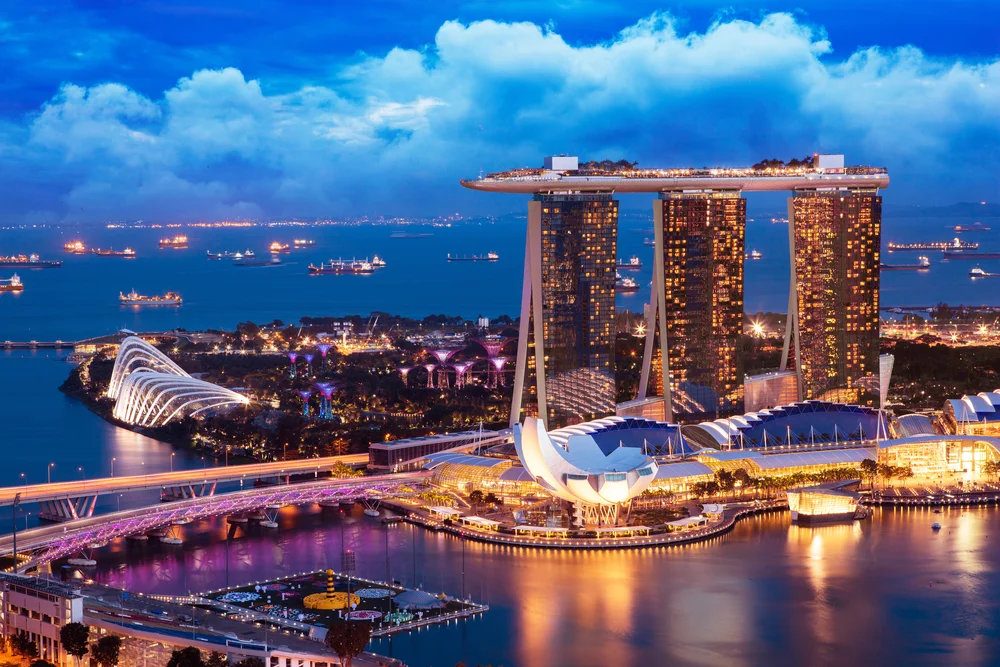
The 2018 film portrayed Singapore with lavish mansions, luxury cars, and the Marina Bay Sands infinity pool.
While boosting tourism, this image also painted Singapore as a playground for the wealthy.
To counter this, the government and local groups now promote an image emphasizing affordability and cultural richness. Rachel Heng, a Singaporean author, contributes to this new narrative.
Her novel “The Great Reclamation” explores Singapore’s history and identity through a character’s journey from a fishing village to a modern city.
Heng’s work highlights the nation’s diversity and historical depth, contrasting the glamorous media portrayals.
Efforts to rebrand Singapore include showcasing its multicultural heritage, vibrant street food, and historical sites. Campaigns emphasize accessible and varied experiences beyond luxury tourism.
For instance, Heng’s novels and government initiatives aim to present a more comprehensive view of Singapore’s offerings.
Kevin Kwan, author of “Crazy Rich Asians,” provides insights into the real families behind his novel. While the book and film focus on affluence, they do not represent most Singaporeans.
Kwan’s family history intertwines with Singapore’s colonial past and entrepreneurial rise, adding context to the nation’s social fabric.
This rebranding matters because it addresses local concerns about living costs and promotes a more inclusive image of Singapore.
Balancing the attraction of wealthy tourists by highlighting the city-state’s true diversity is crucial for sustainable tourism and local well-being.
Singapore’s transformation aims to show the world a place rich in culture and accessible to all.
This article was drafted with automated assistance and reviewed before publication. How we use AI · Report an error
Read More from The Rio Times