India’s Climate Crunch: Energy Dilemma Amid Heatwave
India is grappling with a severe energy crisis exacerbated by an early and harsh heatwave, causing power shortages across the nation.
This situation underscores the urgent need to diversify India’s energy sources amidst rising temperatures and changing climate patterns.
The country’s dependency on coal is deeply ingrained, with coal-fired plants producing 70 percent of its electricity.
However, this reliance is starkly contrasted with the global shift away from fossil fuels.
Despite significant advancements in renewable energy, achieving 179 gigawatts from clean sources, the balance remains tipped towards coal.
This preference stems partly from its proximity to major population centers and lower transmission costs.
However, it conflicts with both India’s climate goals and the well-being of its indigenous populations, particularly the Adivasi community threatened by large-scale mining projects.
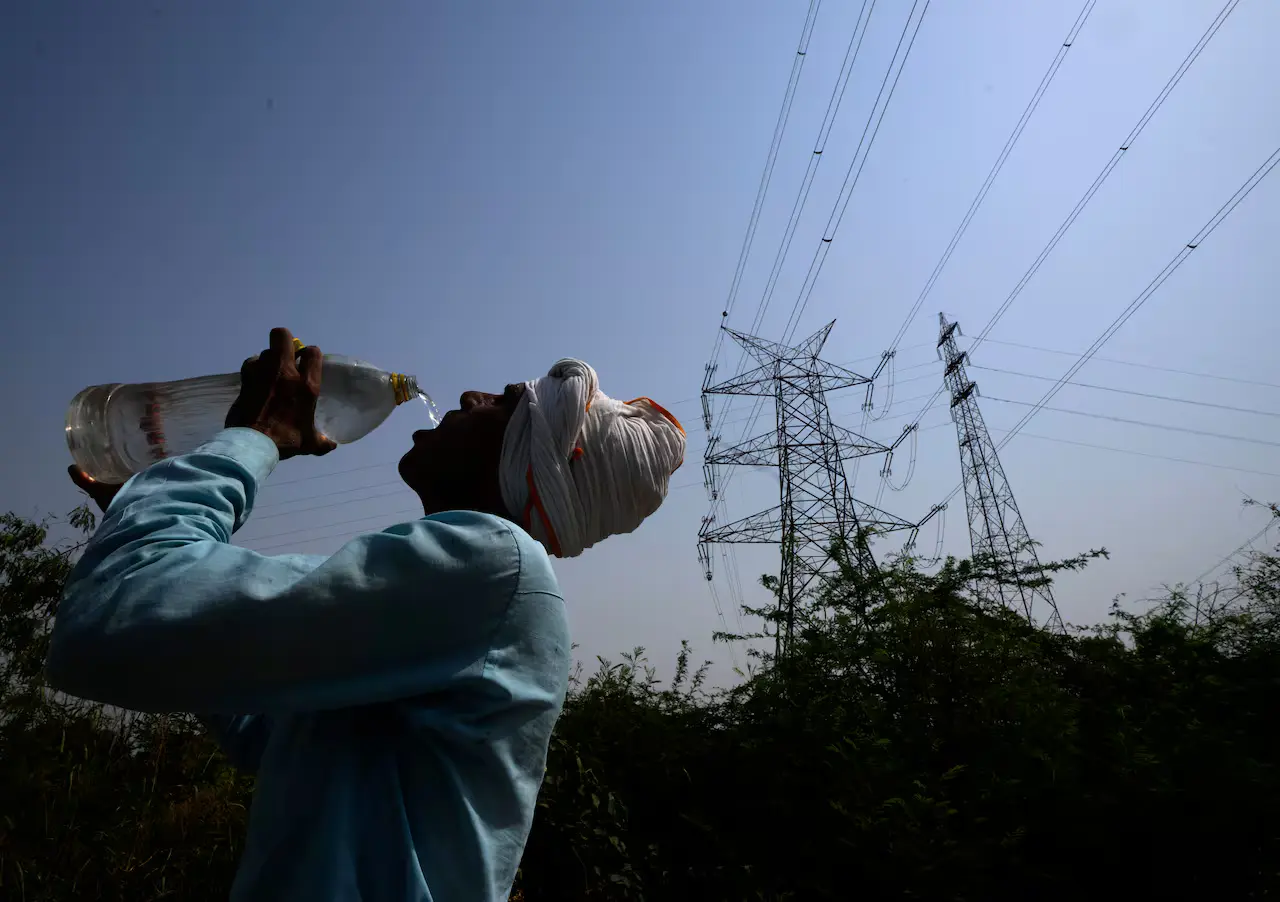
The energy shortfall is highlighted by the record-breaking temperatures India has experienced, including the hottest March since 1901.
April temperatures in the northern and central regions have also been the highest in 122 years.
These conditions have led to multiple consequences, including extended school closures, crop failures, and heightened hospital emergencies due to frequent power blackouts lasting up to seven hours.
India’s Energy Crisis
The Central Electricity Authority reports that out of India’s 165 coal plants, 94 are facing critically low coal supplies, further straining the energy infrastructure.
This crisis is not merely due to coal shortages but also stems from inadequate forecasting and logistical planning in transporting coal.
Analysts predict a temporary dip in demand but expect it to surge again with the onset of the monsoon, which also poses risks of flooding coal mines and disrupting supply.
The solution does not lie in expanding coal mining, as suggested by the ongoing controversies over the Deocha-Pachami project.
This project could become the world’s second-largest coal mine. This project symbolizes the tension between economic development and environmental sustainability.
It threatens local communities with displacement and environmental degradation.
To mitigate these challenges, India needs to aggressively focus on enhancing its renewable energy capacity and ensuring its reliability.
Such measures are crucial not only to address the immediate power shortages but also to align with global environmental standards.
They aim to protect local communities from the adverse impacts of coal dependency.
The energy crisis, therefore, presents an opportunity for India to redefine its approach by balancing developmental needs with sustainable practices.
This ensures a resilient future against the backdrop of escalating climate challenges.
This article was produced by The Rio Times’ automated newsroom system. How we use AI · Report an error
Read More from The Rio Times