Poverty Drops, Inequality Persists: Colombia’s Uneven Recovery in 2024
Official figures from Colombia’s National Statistics Department (DANE) reveal that 1.2 million Colombians escaped poverty in 2024.
The total number of people below the poverty line fell to 16.2 million, or about 32% of the population. Despite this progress, Colombia remains a country marked by deep inequality and harsh regional gaps.
DANE set the poverty line at 460,198 pesos a month for one person and 1.84 million pesos for a family of four. If a family earns less, they still struggle to meet basic needs like food, housing, and transport.
These poverty lines rose by almost 6% compared to last year due to cost-of-living increases. The minimum wage, even with a transport subsidy, does not cover the poverty line for a whole family.
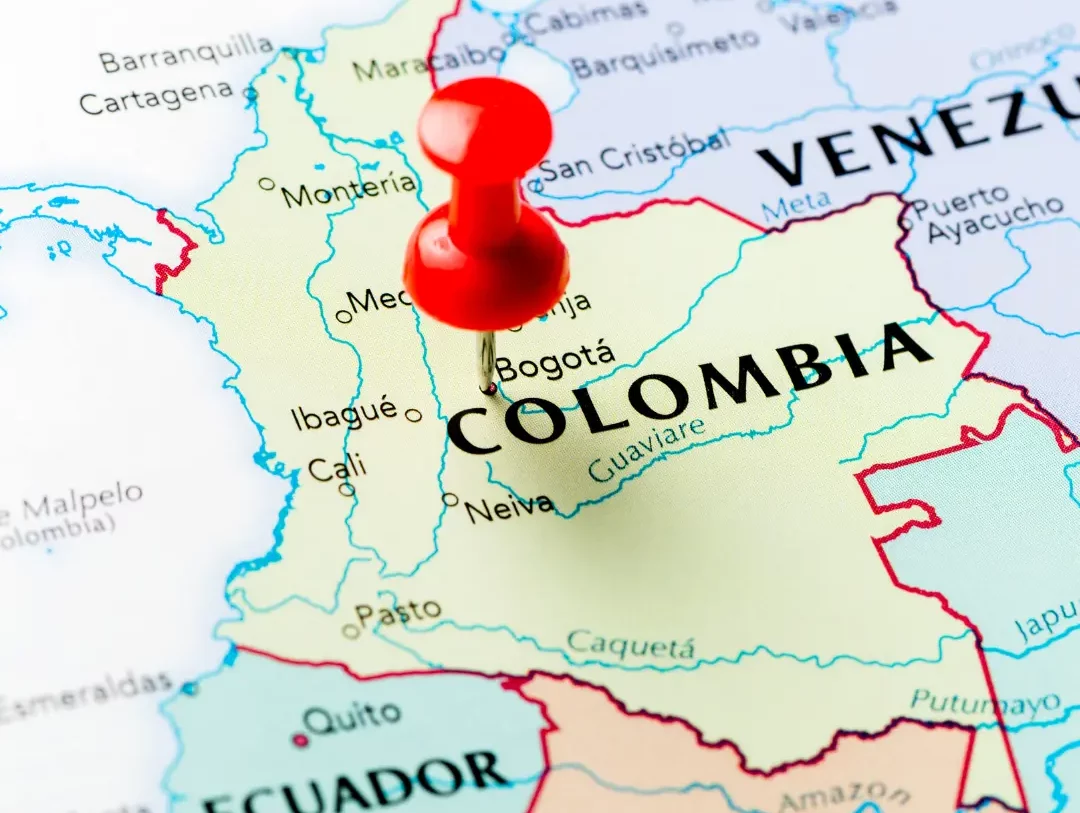
Big differences appear from region to region. In rich cities like Bogotá, fewer people are poor, but in places like Chocó and La Guajira, almost 60% of families still live in poverty.
Poorer cities face higher prices, less formal work, and less access to quality health care and schools. Even though poverty rates improved nationwide, over 5.9 million people—around 12% of the population—still live in extreme poverty. They cannot even afford enough food.
Colombia’s income gap is among the worst in Latin America, with a Gini coefficient near 0.54. This means most wealth is concentrated at the top. Many families stay poor because of where they were born, their limited job options, or low-quality education.
For businesses and investors, these trends matter. Reliable jobs, better infrastructure, and fair market access are needed so families can move into the middle class and spend more.
For now, Colombia’s economy shows that recovery is possible, but true progress requires closing the gap between its booming centers and struggling regions.
All data in this article comes from Colombia’s official statistics office, DANE, and is verified with World Bank reports.
More: Colombia news in English, every day from The Rio Times.
This article was produced by The Rio Times’ automated newsroom system. How we use AI · Report an error
Read More from The Rio Times