Argentina Sets Path for Full Privatization of Freight Railway Giant
The Argentine government has taken its first decisive step to privatize Belgrano Cargas y Logística S.A., the country’s largest state-run freight rail company.
This move, announced in July 2025 through an official government resolution, marks one of the boldest shifts in Argentina’s economic policy in years and comes as part of a broader drive by President Javier Milei to shrink the state’s role in key industries.
Belgrano Cargas currently manages over 7,600 kilometers of tracks across 17 provinces and is critical for moving agricultural and industrial products from rural areas to major ports.
Despite this, trains only handle about 6% of all freight in Argentina. Almost all other goods travel by road, raising logistical costs for exporters and overloading highways.
Official reports confirm the company carried 8.4 million tonnes of cargo in 2022 but required $112 million in government subsidies to cover losses, and it employs over 4,400 people—far more than needed for the volume handled, according to government officials.
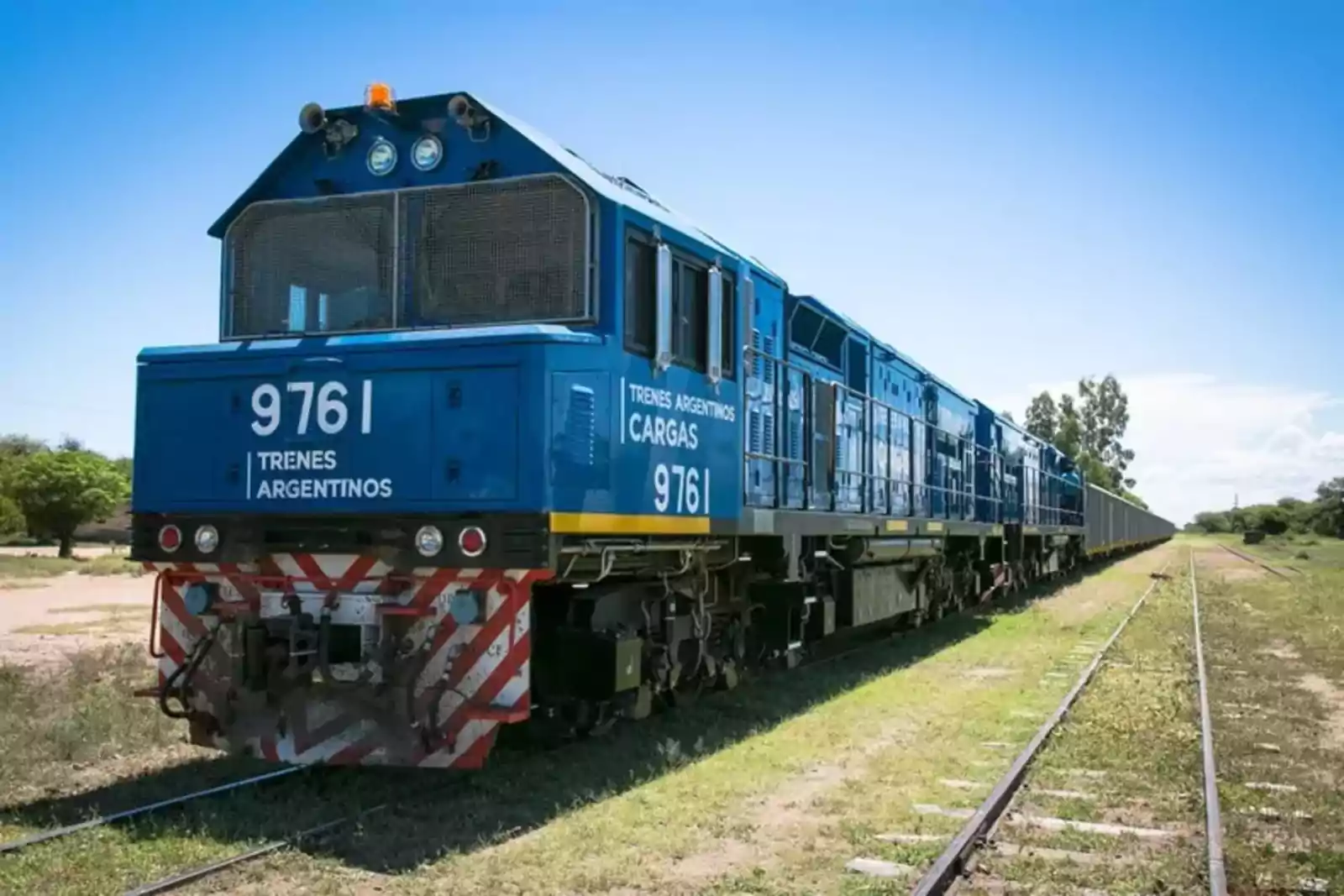
Now, the privatization plan aims to sell all company-owned trains and railcars to private buyers in public auctions. Tracks, stations, and workshops will remain state property but be managed by private companies under long-term contracts.
Argentina’s Rail Privatization Aims for Growth
This “concession” model will let multiple operators access the rail network instead of granting a monopoly. The government expects increased investment and efficiency, hoping to triple the volume of goods shipped by rail.
The entire transfer process must finish within one year. After this, the state company will cease to exist. However, this change comes with real risks.
There are no job guarantees for existing staff, sparking fears about layoffs. Many also worry that vital but less profitable routes could lose service if private companies focus only on higher-earning lines.
These large-scale changes follow a new law passed in June 2024 allowing the government to privatize struggling state companies. The administration argues such reforms are crucial to revive Argentina’s economy, cut public costs, and improve logistics for farmers and manufacturers.
The stakes are high for Argentina. Businesses, workers, and government officials know that what happens next could reshape not just railways, but how the country’s goods move across the continent—and how open Argentina becomes to private investment and new ideas.
More: Argentina news in English, every day from The Rio Times.
This article was produced by The Rio Times’ automated newsroom system. How we use AI · Report an error · Editorial responsibility: Matthias Camenzind, Editor-in-Chief