Pope Francis Faces Two Acute Respiratory Crises Amid Fragile Recovery
Pope Francis, 88, suffered two episodes of acute respiratory insufficiency on Monday, March 3, as confirmed by the Vatican.
The crises occurred during his ongoing hospitalization at Rome’s Gemelli Hospital. He has been under treatment since February 14 for double pneumonia and other health complications.
These episodes were triggered by a significant buildup of mucus in his lungs, causing bronchospasms that obstructed his airways. Medical staff performed two bronchoscopies to remove large secretions, followed by the resumption of non-invasive mechanical ventilation to stabilize his breathing.
Despite these setbacks, the pontiff remained alert and cooperative throughout the procedures. His prognosis remains guarded, reflecting the complexity of his condition.
Earlier updates had indicated signs of stability after a bronchospasm last Friday led to vomiting and aspiration into the respiratory tract. However, Monday’s crises marked another challenge in what has become his longest hospitalization since becoming Pope in 2013.
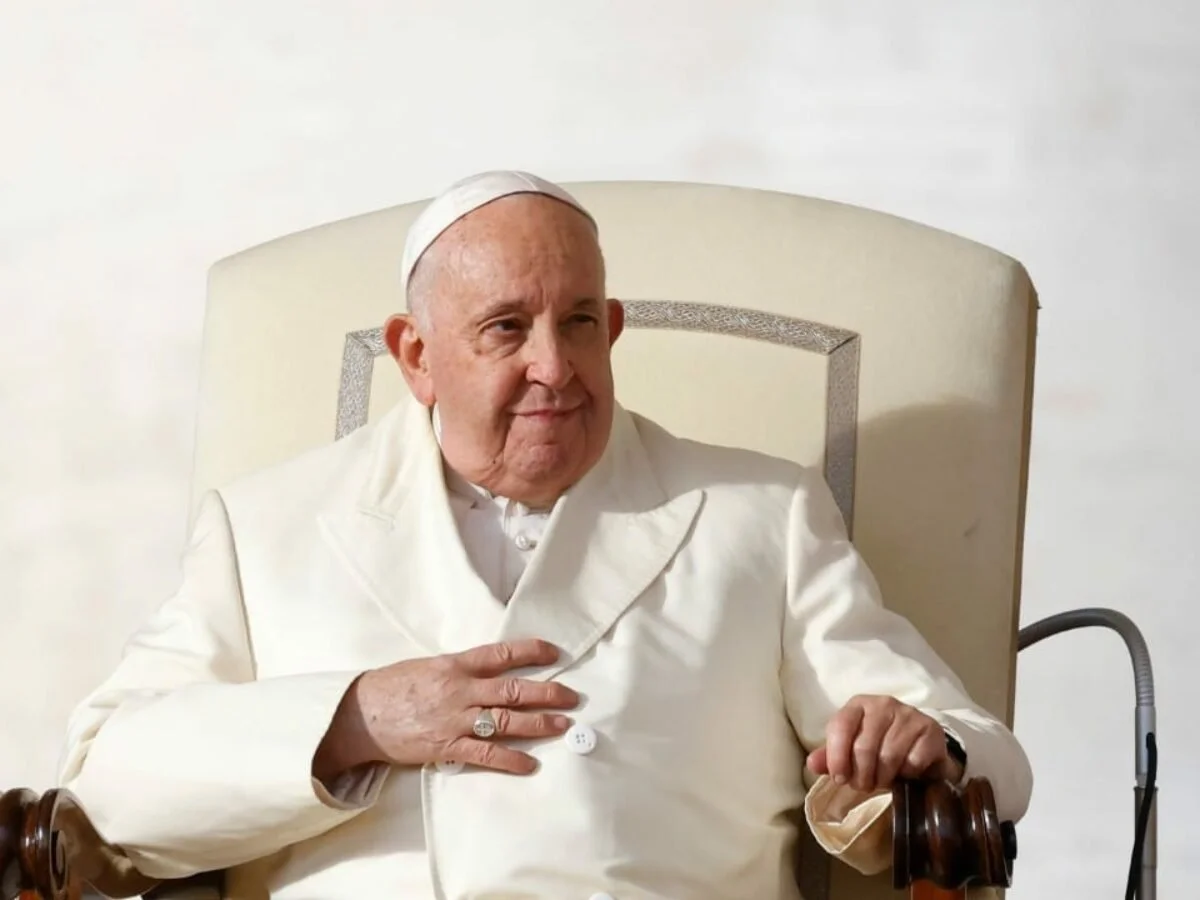
Francis has a history of respiratory vulnerabilities stemming from pleurisy in his youth, which led to the removal of part of one lung. This underlying condition has made him particularly susceptible to infections and complications.
His current battle with double pneumonia—a severe infection affecting both lungs—has been compounded by chronic illnesses. These include mild kidney insufficiency and mobility issues that require him to use a wheelchair or cane.
Pope Francis’ Health Crisis Raises Concerns Over His Leadership
The Pope’s hospitalization has disrupted his public engagements for over two weeks, the longest absence of his papacy. While Vatican officials have emphasized that he remains conscious and active within his hospital apartment, no images or videos have been released since his admission.
On Monday morning, Francis reportedly slept well, had breakfast, and participated in therapies before issuing a message criticizing the “progressive irrelevance” of international organizations in addressing global conflicts.
This prolonged health crisis has raised concerns about Francis’ ability to continue leading the Catholic Church. Discussions about potential resignation have resurfaced, although there is no official confirmation from the Vatican.
His medical team continues to monitor his condition closely as he undergoes respiratory physiotherapy and supplemental oxygen therapy. With no timeline for discharge yet provided, Pope Francis’ fragile recovery underscores the challenges faced by elderly leaders. These leaders must manage complex roles amid serious health issues.
This article was produced by The Rio Times’ automated newsroom system. How we use AI · Report an error · Editorial responsibility: Matthias Camenzind, Editor-in-Chief
Read More from The Rio Times