Petrobras Jet Fuel Up 13.9 Percent, and Up 53 Since December
BRAZIL · ENERGY
Key Facts
- —The rise Petrobras raised the average aviation kerosene price by 13.9 percent, effective 1 September 2026.
- —In money That is roughly R$0.68 (US$0.13) a litre added to the refinery price.
- —The cumulative figure Aviation kerosene has risen 53.3 percent since December 2025.
- —The reason given Petrobras cited international oil prices affected by geopolitical tension and market volatility.
- —The catch A separate antitrust complaint against Petrobras is about gas, not jet fuel, and dates from May.
- —Who filed it The glass industry association Abividro, which accuses Petrobras of abusing a dominant position.
Runoff · Sunday, 25 October
Brazil Runoff 2026: Lula vs Flávio
Date, polls, debates, odds and how the runoff works, updated every day.
Read our Brazil election 2026 runoff guide →
Brazil runoff polls · Polymarket and Kalshi odds · When results come · Brazil election poll data (CSV)
Prediction markets · who wins the runoff
Implied chance of winning Brazil’s presidency on 25 October, from traders’ prices.
Polymarket
Flávio Bolsonaro 79.5% · Lula 20.5% (US$194 million traded)
Kalshi (regulated in the US by the CFTC)
Flávio Bolsonaro 78% · Lula 23%
As of 24 October, 3:20 am ET (08:20 Lisbon), updated every 20 minutes. Prices are bets, not polls, and can move fast.
Why we show this: prediction markets turn real-money bets into a live probability that moves within minutes of the news, which is why investors, campaigns and newsrooms in the United States now follow them closely. We show them next to polls and official results, never instead of them.
The Petrobras jet fuel rise is the headline. The cumulative figure since December is the number airlines are actually looking at.
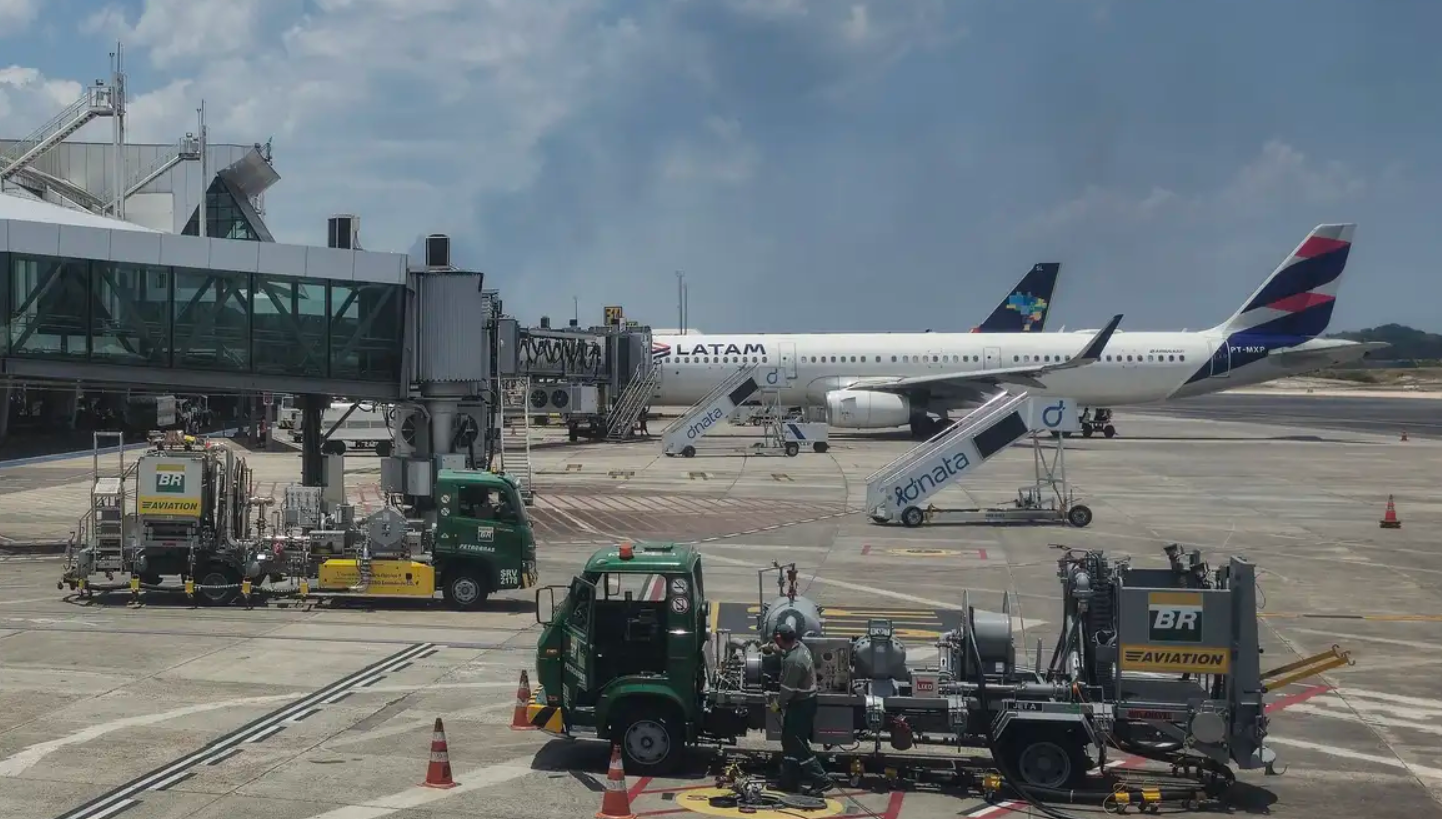
Petrobras jet fuel prices rose 13.9 percent from the first of September. The increase applies to the average refinery price of aviation kerosene.
In money that is about R$0.68 (US$0.13) a litre. The rise took effect on 1 September 2026.
Petrobras said the adjustment follows the dynamics of international oil and product prices. It cited geopolitical tension and greater volatility in global energy markets.
The single month is not the whole story. Aviation kerosene has now risen 53.3 percent since December 2025.
Why Petrobras Jet Fuel Matters More Than Petrol
Fuel is the largest or second largest cost line for an airline. It is far more concentrated than it is for road transport.
Brazilian carriers buy most of their domestic uplift from Petrobras. There is limited practical alternative inside the country.
A 53 percent increase over nine months cannot be absorbed within existing fares. It reaches ticket prices with a lag of weeks rather than months.
Brazil’s domestic aviation market has been financially fragile for years. This is the kind of input move that reopens that conversation.
The Antitrust Case Is a Different Story
A complaint against Petrobras is before CADE, Brazil’s competition authority. It is worth separating from the fuel rise.
It was filed by Abividro, the Brazilian glass industry association. The name appears in some coverage as Abvidro, which is a misspelling.
The complaint concerns natural gas, not aviation fuel. It accuses Petrobras of abusing a dominant position in that market.
It alleges restricted third-party access to gas transport and processing infrastructure. It also cites barriers to new entrants and opaque reference pricing.
A further claim is that domestic supply is artificially compressed through reinjection. The effect, Abividro argues, is to keep industrial gas prices high.
Live Company IntelligencePetroleo Brasileiro Petrobras SA ADR — the full investor dossier
Wall Street view
Valuation & profitability
Price & risk
$10.7852-wk high
$26.39
Revenue trend · 6y
Ownership
Dividend
The Timing of That Complaint
The filing is not new. It was originally lodged in May 2026 and expanded in July.
The expansion followed the creation of a special commission on the matter by the oil regulator ANP. CNN Brasil reported the filing on 9 July.
Abividro asks CADE to open a formal investigation and to impose preventive and structural remedies. No decision has been announced.
What the Two Stories Share
Both are about a company that is the dominant supplier in markets its customers cannot easily leave. That is the structural point.
Petrobras prices against international parity by policy. That protects the company’s margins and transmits global volatility straight into Brazilian costs.
Industrial gas buyers and airlines are making versions of the same complaint. One went to the regulator, the other will show up in fares.
What to Watch
The first marker is airline pricing. A 53 percent input rise since December has to appear somewhere.
The second is whether CADE opens a formal case on the gas complaint. That decision is the gate.
The third is the next Petrobras adjustment. The company reviews prices without a fixed calendar, which is itself part of the criticism.
More: Brazil news in English, every day from The Rio Times.
Background: Oil Wrap: Guyana Boom, Petrobras Pre-Salt Rise on Monday.
Background: Brazil Cut the Fuel Tax and Petrobras Raised the Price on the Same Night.
Frequently Asked Questions
How much did jet fuel go up?
Petrobras raised the average aviation kerosene price by 13.9 percent, effective 1 September 2026, adding roughly R$0.68 (US$0.13) a litre. The cumulative rise since December 2025 is 53.3 percent.
What reason did Petrobras give?
It said the adjustment follows the dynamics of international oil and product prices, affected by geopolitical tension and greater volatility in global energy markets.
What is the CADE complaint about?
Natural gas, not jet fuel. The glass industry association Abividro accuses Petrobras of abusing a dominant position by restricting third-party access to gas infrastructure and compressing domestic supply. It was filed in May 2026 and expanded in July.
Sources: Petrobras, Metropoles, Mercado e Consumo, CNN Brasil, eixos, Rio Times.
This article was drafted with automated assistance and reviewed before publication. How we use AI · Report an error · Editorial responsibility: Matthias Camenzind, Editor-in-Chief