Petrobras Foz do Amazonas Licence: Prosecutors Ask Court to Halt Drilling
Brazil · Energy
Key Facts
- —What happened On 17 September 2026 federal prosecutors asked the TRF1 appeals court to suspend Petrobras’s drilling licence for offshore block FZA-M-59.
- —What they want Prior consultation of traditional communities on the Pará coast, a fishing study, a compensation plan and a wider impact area.
- —The court fight Prosecutors are also appealing a Pará federal judge’s decision to send their case to the federal court in Amapá.
- —Petrobras’s answer Petrobras says its studies found no direct social or environmental impact on communities or Indigenous lands.
- —The catch No ruling yet: the Petrobras Foz do Amazonas licence, including three extra wells cleared on 3 September, remains in force.
- —Why it matters The block holds Morpho, where Petrobras announced a find of good-quality petroleum on 14 August 2026.
Brazil’s federal prosecutors want the state oil company’s Amazon-coast drilling stopped until fishing communities in Pará are consulted. Petrobras says its studies found no direct harm.
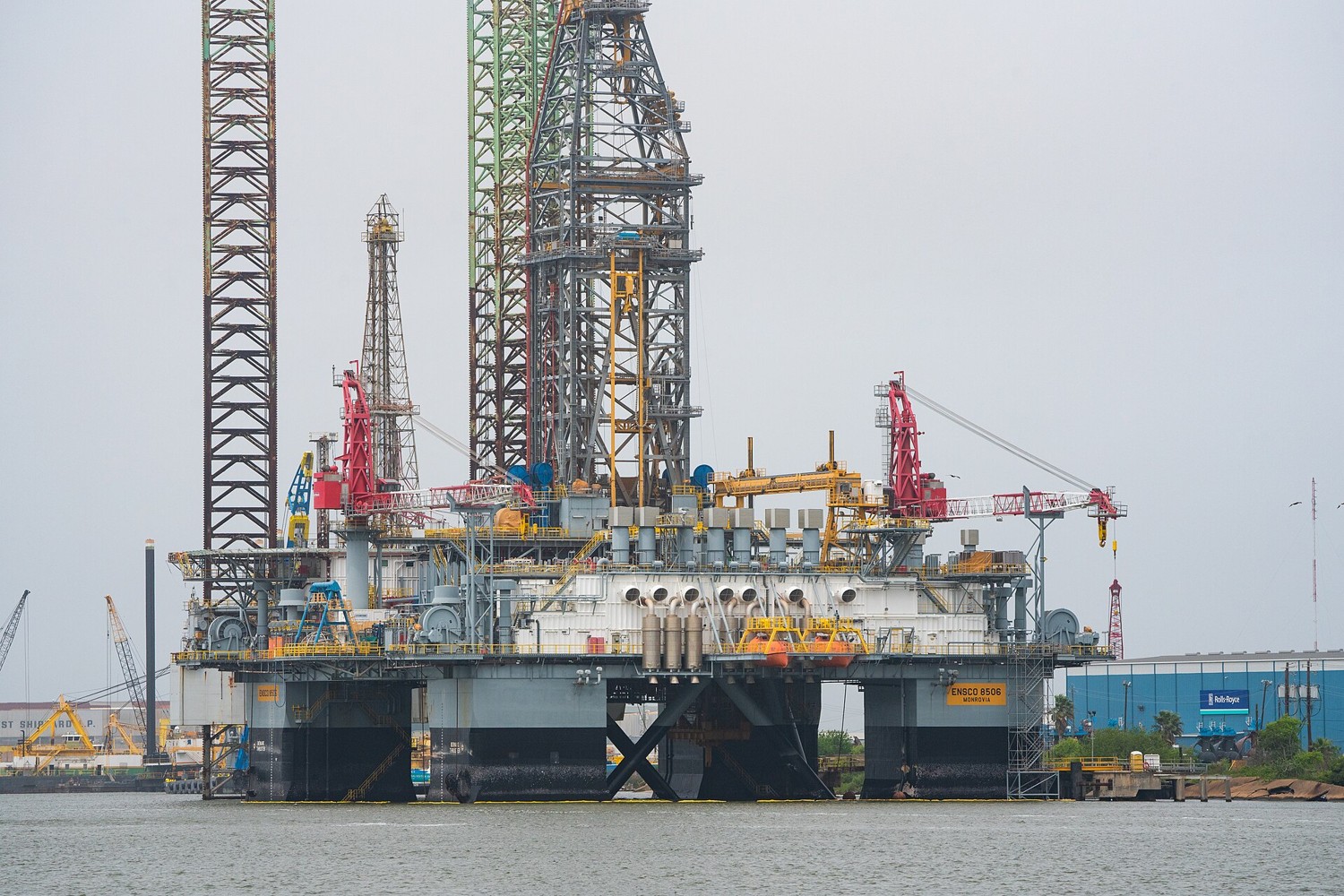
Brazil’s federal prosecutors have gone back to court to stop the Petrobras Foz do Amazonas drilling campaign. They want the licence suspended until fishing and traditional communities in Pará state are formally consulted.
The request went to the Federal Regional Court of the 1st Region, known as TRF1, on Thursday 17 September 2026. That appeals court, based in Brasília, hears federal cases from much of northern Brazil.
Petrobras, the state-controlled energy company, rejects the premise. In a written statement, it said its studies had found no direct social or environmental impact on communities or Indigenous lands.
What the prosecutors are asking for
The filing comes from the Federal Prosecution Service, or MPF, an independent body that can sue on behalf of the public. Its office in Pará announced the appeal on 18 September 2026.
It is an interlocutory appeal, an agravo de instrumento, lodged in an existing civil case. The target is offshore block FZA-M-59, awarded in Brazil’s 11th licensing round in 2013.
Prosecutors want all activity in the block suspended until four conditions are met. The first is free, prior and informed consultation of every traditional community on the Pará coast.
That standard comes from Convention 169 of the International Labour Organization, which Brazil has ratified. It covers Indigenous and tribal peoples, and in Brazil is applied to quilombola communities descended from escaped slaves.
The other three demands are a detailed study of local fishing output and income, and a compensation plan for artisanal fishers. They also want the project’s official area of influence redrawn to include every affected Pará municipality.
Why the case turns on Pará
The drilling itself happens far out at sea. The Morpho well lies about 175 kilometres off the coast of Amapá, Brazil’s northernmost state, in 2,886 metres of water.
But the support fleet sails from the port of Belém, the capital of neighbouring Pará. Prosecutors say its vessels round the Marajó archipelago and cross traditional subsistence routes along the state’s north-east coast.
According to the MPF, 17 Pará municipalities fall within the project’s area of influence. Fishing and extractivist families have reported nets torn by large ships, fish driven off by noise and a risk of collisions.
The prosecutors’ specialist socio-environmental team in Pará argues these are not future risks but harms already under way. No court has ruled on those accounts.

Live Company IntelligencePetroleo Brasileiro Petrobras SA ADR — the full investor dossier
Wall Street view
Valuation & profitability
Price & risk
$10.6552-wk high
$21.99
Revenue trend · 6y
Ownership
Dividend
A fight over which court decides
The appeal is also a jurisdiction battle. A federal judge in Pará had sent the case to the federal court in Amapá, citing the need to avoid conflicting rulings.
Other challenges to the drilling are already being heard in Amapá. Prosecutors say their Pará action goes beyond the wells, focusing on missing socio-economic studies and the exclusion of Pará’s traditional communities.
Their argument is that jurisdiction follows the place where damage occurs. Because ships, waste and logistics all operate from Pará, they say the Pará court should decide.
Prosecutors also note that the work is not brief. Recent official documents, they say, show Petrobras plans four offshore wells in the block, with continuous operations until 2029.
The three extra wells
Separately, Ibama, the federal environmental regulator, acted on Thursday 3 September 2026. At Petrobras’s request, it amended the Morpho licence to allow three more wells, named Manga, Crotalus and a Morpho extension.
Ibama first licensed drilling at Morpho in October 2025, after years of refusals and appeals. Petrobras announced on 14 August 2026 that the well had found good-quality petroleum.
Before the amendment, federal prosecutors had written to Ibama objecting to new wells being added by licence change. Ibama replied that three contingency wells had been foreseen from the start of the process.
According to the Estadão news agency, work at Morpho is in its final drilling phase. The company is planning activity at the three contingency wells.
What Petrobras says
Petrobras says the block is still at the exploratory research stage. “A Petrobras cumpre rigorosamente a legislação,” its statement begins, meaning the company strictly complies with the law and regulators’ requirements.
The company argues that prior consultation does not apply to this licence. Even so, it says it held over 80 meetings and public hearings in 22 municipalities of Amapá and Pará before drilling.
It also addressed complaints about aircraft noise near Oiapoque, a town in Amapá.
In 2023 it met the Council of Chiefs of the Indigenous Peoples of Oiapoque. It then worked with DECEA, the air force’s air-traffic control department, to raise flight altitudes and revise routes.
The statement said Petrobras “permanece à disposição”, or remains available, to give further explanations before the competent authorities.
What happens next
The TRF1 must now decide whether to suspend the licence on an urgent basis and which state’s court should hear the case. No ruling had been reported by 22 September 2026.
The case is a civil one. Nobody has been charged with any offence, and no court has found that the drilling caused the harms the fishers describe.
For Petrobras, the stakes are high. The Equatorial Margin, stretching from Amapá to Rio Grande do Norte, is a key frontier in its search for new reserves.
More: Brazil coverage, every day from The Rio Times.
Frequently Asked Questions
What is the MPF asking the court to do?
The Federal Prosecution Service asked the TRF1 appeals court to suspend Petrobras’s drilling licence for block FZA-M-59. The suspension would last until traditional communities on the Pará coast are consulted, a fishing study is done, a compensation plan is drawn up and the area of influence is redrawn. It also wants the case kept in Pará rather than Amapá.
Has any court stopped the drilling?
No. The appeal was filed on 17 September 2026 and no ruling had been reported by 22 September 2026. The Ibama licence, including the three contingency wells approved on 3 September, remains in force.
What does Petrobras say about the Foz do Amazonas basin?
Petrobras says its work in block FZA-M-59 is exploratory research and that its studies found no direct social or environmental impact on communities or Indigenous lands. It says prior consultation does not apply to this licence, but that it held more than 80 meetings and public hearings in 22 municipalities.
Where exactly is the Morpho well?
Morpho lies in block FZA-M-59 in the Foz do Amazonas basin, about 175 kilometres off the coast of Amapá in 2,886 metres of water. Despite the basin’s name, the well sits roughly 500 kilometres from the mouth of the Amazon river itself.
Sources: Federal Prosecution Service in Pará on the appeal, Diário do Amapá with the full company statement, CNN Brasil on the dispute, Estadão Conteúdo via Diário do Grande ABC, ClimaInfo on the three extra wells, ClimaInfo on Ibama’s reply to prosecutors, Seu Dinheiro on the block’s history
This article was produced by The Rio Times’ automated newsroom system. How we use AI · Report an error
Read More from The Rio Times