Peru Joins Escudo de las Américas as Rubio Hails a ‘Golden Era’
Peru · Politics
Key Facts
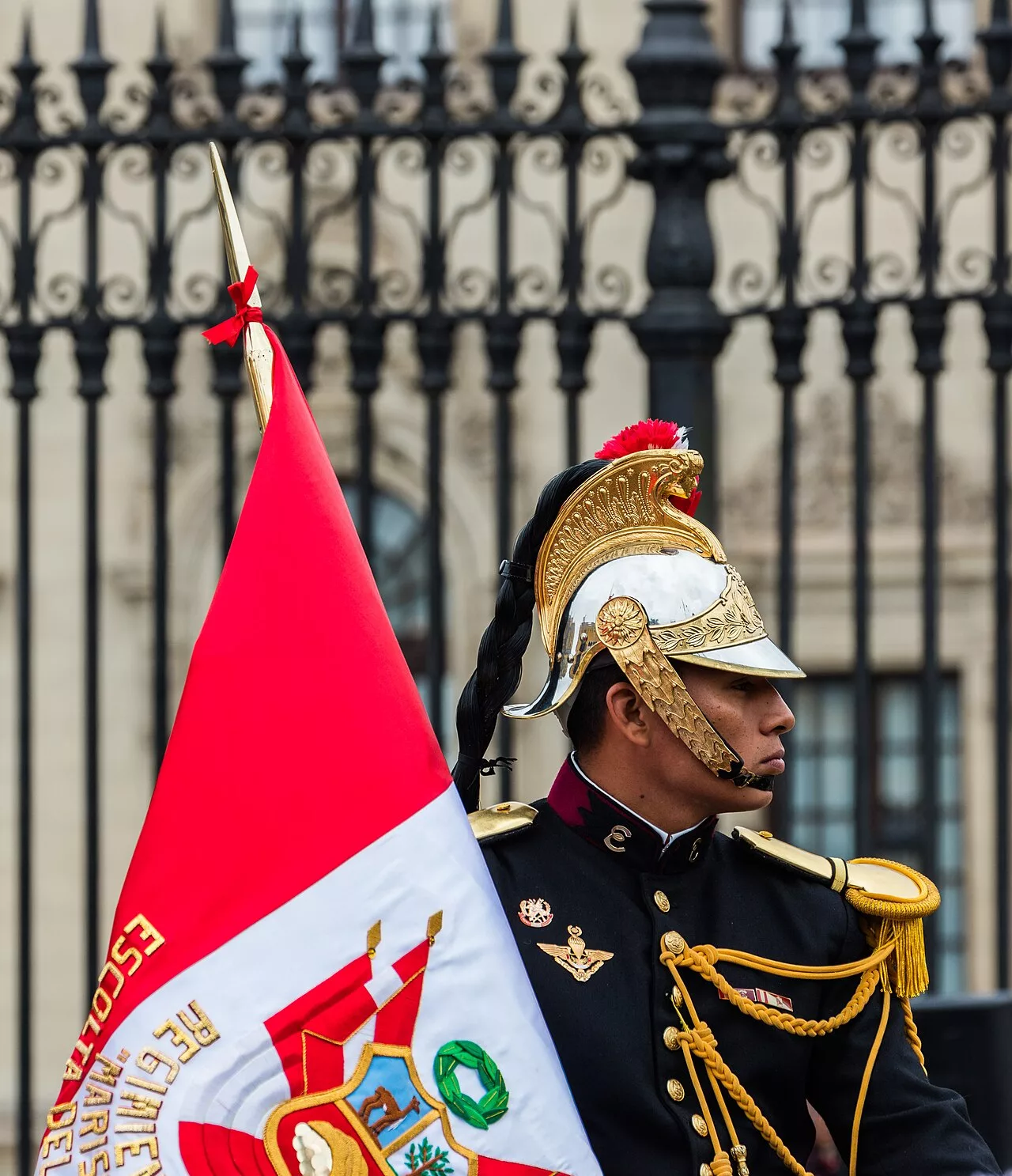
—The accession. President Keiko Fujimori confirmed on September 10 that Peru will join the Escudo de las Américas, the US-led coalition against transnational organized crime, after meeting Secretary of State Marco Rubio at the Government Palace in Lima.
—The words. “We are entering a new era in US-Peru relations, a golden era in many ways,” Rubio said at the joint appearance.
—The club. Launched by Washington in early March 2026, the Shield already counts Argentina, Bolivia, Chile, Costa Rica, the Dominican Republic, Ecuador, El Salvador, Guyana, Honduras, Panama, Paraguay and Trinidad and Tobago alongside the US. Peru becomes the thirteenth Latin American and Caribbean member.
—The fine print. Accession is a political declaration, not a treaty: no signed accession instrument has been published and nothing was ratified.
—The context. The announcement is the first concrete outcome of Rubio’s South America tour, which focused on the fight against drug cartels — we covered the visit’s agenda here.
Peru is joining Washington’s flagship security coalition for the hemisphere. The announcement by President Keiko Fujimori, standing next to Marco Rubio in Lima’s Government Palace, turns a week of warm words into the tour’s first tangible deliverable — and signals where the new government wants to anchor its foreign policy.
Peru Joins Escudo de las Américas After Rubio Meeting
The confirmation came in a joint declaration after Thursday’s meeting at the Palacio de Gobierno. Fujimori said the central topic with Rubio was “how to confront transnational organized crime and citizen insecurity” — and announced that Peru will form part of the Escudo de las Américas, the coalition the Trump administration launched in early March to coordinate action against cartels, drug trafficking and cross-border criminal networks.
Rubio matched the gesture with striking language. “We are entering a new era in US-Peru relations, a golden era in many ways,” he said, according to the state news agency Andina’s English account of the press conference. He pledged the United States would help “as much as we can,” and officials on both sides said Peru’s participation would accelerate intelligence sharing and joint action against criminal groups operating across borders.
For readers unfamiliar with the structure: the Escudo de las Américas — the Shield of the Americas — is not a mutual-defense alliance and involves no treaty. It is a US-led coordination framework for security, intelligence and law-enforcement cooperation against transnational organized crime, built up since March with a dozen Latin American and Caribbean governments. Peru’s entry, as one analytical account noted, is a political declaration: no accession instrument has been published and no ratification is required.
Why Washington Wanted Lima In
Peru matters to the coalition’s map for practical reasons. The country is the world’s second-largest producer of cocaine, with the VRAEM valley — the Apurímac, Ene and Mantaro river region — remaining the hemisphere’s most consequential coca heartland. Its ports, above all Callao, are tracked by US and European agencies as exit points for cocaine bound to Europe. And its 1,500-kilometer Amazon frontier touches Colombia, Brazil, Bolivia and Ecuador, making Peruvian territory a corridor problem for every neighbor.
The timing also serves both governments domestically. Fujimori, who took office this year, faces persistently high public concern over extortion and contract killings in Lima’s periphery and needs a visible security partnership. Rubio, wrapping up a South America swing built around the cartel fight, needed a deliverable beyond communiqués — and Peru’s accession is the first concrete outcome of the tour.
Not everything on the agenda produced agreement. Reporting around the visit noted that the future of the Chinese-controlled Chancay megaport — a sore point for Washington since its 2024 inauguration — was raised but not publicly resolved. Trade and investment cooperation featured in the talks, though no aid package with dollar figures was announced in Lima.
What Membership Actually Delivers
Based on how the Shield has operated since March, membership means access to shared intelligence channels, coordinated operations against trafficking routes, training and equipment programs, and alignment with US designations of criminal groups. For Peru, the near-term value lies less in hardware than in tempo: faster information flow on cartel logistics moving between the VRAEM, Callao and the tri-border Amazon.
The political value runs in both directions. Washington gains a member that spans the Andean and Amazonian theaters of the cocaine trade; Lima gains a public endorsement at a moment when the government wants to project control. The “golden era” phrasing will be tested quickly — by how much intelligence actually flows, and by whether cooperation survives contact with questions like Chancay, where Peruvian and Chinese interests are deeply entangled.
What to Watch
Three things will show whether accession is more than a headline. First, whether a written framework — even a memorandum — follows the declaration in coming weeks. Second, the first joint operations or intelligence-sharing milestones announced under the Shield banner, most likely around Callao port interdictions or VRAEM eradication logistics. Third, how the opposition and Congress react: with no ratification required, criticism will focus on sovereignty and on what Washington expects in return.
For foreigners in Peru, the practical near-term effect is limited but real: expect more visible joint operations at ports and airports, tighter scrutiny of trafficking corridors, and a government eager to advertise security wins. The structural fight — against the cocaine economy itself — is measured in years, not news cycles.
More: Peru news, every day from The Rio Times.
Frequently Asked Questions
What is the Escudo de las Américas?
A US-led security coalition launched in early March 2026 to coordinate action against transnational organized crime and drug cartels. Before Peru, it counted twelve Latin American and Caribbean members, including Argentina, Chile, Ecuador and Panama, plus the United States.
Did Peru sign a treaty to join?
No. President Keiko Fujimori announced accession as a political declaration after meeting Marco Rubio on September 10; no signed accession instrument has been published and no ratification is required.
What did Rubio say about US-Peru relations?
Speaking at Lima’s Government Palace, Rubio said the two countries “are entering a new era in US-Peru relations, a golden era in many ways,” and pledged the US would help Peru against organized crime “as much as we can.”
Sources
Andina (joint press conference and Rubio quote, September 10, 2026) · El Peruano and Gestión (accession coverage) · MercoPress (accession announcement) · Associated Press (Rubio tour) · US State Department (coalition membership) · France24 (regional tour context)
Connected Coverage
Rubio’s South America tour has moved from courtship to commitments.
Rubio in Lima: The Fujimori Meeting and What Was on the Table
Rubio’s Colombia-Ecuador-Peru Trip: The Cartel Fight Goes Diplomatic
Sources: Andina; El Peruano; Gestión; MercoPress; Associated Press; US State Department; France24.
This article was produced by The Rio Times’ automated newsroom system. How we use AI · Report an error · Editorial responsibility: Matthias Camenzind, Editor-in-Chief