Peru Asked Rubio About Its Tariffs and Was Told It Was Not His Department
PERU · TRADE
Key Facts
- —The request President Keiko Fujimori asked the United States to reconsider tariffs on Peruvian exports.
- —The rate 12.5 percent.
- —The argument The existing bilateral free trade agreement, and the economic effect of El Niño.
- —Who she asked Secretary of State Marco Rubio, during his South American tour.
- —The answer Rubio said it was not within his remit, though he undertook to pass the request on.
- —What that means Trade policy sits with the United States Trade Representative and the White House, not the State Department.
Peru asked the wrong department, and got told so politely.
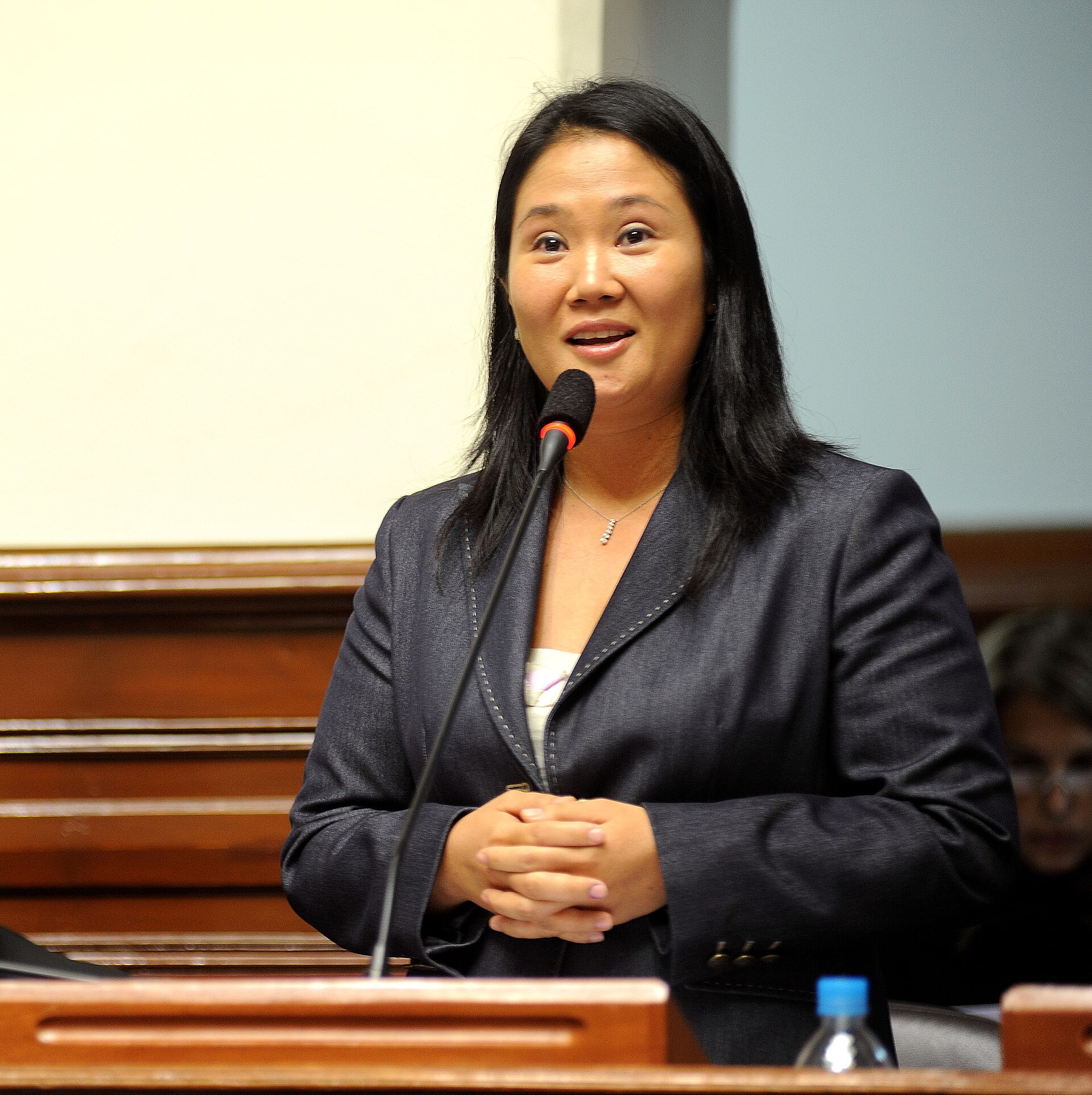
President Keiko Fujimori raised a 12.5 percent United States tariff on Peruvian exports with Secretary of State Marco Rubio during his visit to Lima, and was told the matter lay outside his responsibilities.
What Was Asked
Fujimori put the request during Rubio’s South American tour, which took in Peru around 10 and 11 September. Her argument rested on the bilateral free trade agreement in force between the two countries and on the economic damage El Niño is inflicting on Peruvian agriculture and fisheries.
Her own account of the answer, as reported, is that Rubio said it was not a matter within his competence, while undertaking to forward the request to the appropriate official.
Why That Answer Is Technically Correct
United States trade policy runs through the Office of the United States Trade Representative and, on tariffs imposed under emergency or national-security authorities, through the White House directly. The State Department is not the decision-maker.
That does not make the answer helpful. A secretary of state touring the region to build security alignment is precisely the person a partner government would expect to carry a trade grievance home.
The exchange illustrates the asymmetry in what is on offer. Washington is asking for security cooperation, which the State Department can deliver, and Lima is asking for tariff relief, which it cannot.
The Wider Frame
Peru joined the Escudo de las Américas security coalition earlier in September, which was the concrete outcome of the visit from the American side.
Peru’s exports grew 33 percent to US$63.5 billion in the first seven months of 2026, driven overwhelmingly by copper and gold, neither of which is the target of the tariff in question.
The tariff bites on the processed and agricultural exports that Peru has spent two decades diversifying into. That is the part of the export basket with employment attached, which is why Lima is raising it at every available level.
What the Tariff Actually Hits
Peru’s export basket divides sharply. Copper and gold, which made up roughly 60 percent of exports in the first seven months of 2026, sell into global markets on price rather than on trade preference.
The tariff bites on the other part: textiles, agricultural produce, processed foods and the value-added exports Peru has spent two decades building precisely because they carry employment that mining does not.
That is why Lima raises the issue at every available level, and why a 12.5 percent duty matters more politically than its share of export value suggests.
The Free Trade Agreement Argument
The United States and Peru have had a trade promotion agreement in force since 2009, which eliminated tariffs on the great majority of bilateral trade.
Tariffs imposed outside that framework, under emergency or national-security authorities, sit awkwardly alongside it. Peru’s argument is that the agreement should govern and the measure should not apply.
That argument has been made by a number of trading partners with existing agreements, with limited success. The authorities used to impose the measures are domestic and do not, in the United States government’s own reading, require the agreement to be renegotiated first.
Which returns the matter to where Rubio left it: a decision for the trade representative and the White House, and not a diplomatic question at all.
More: Peru news in English, every day from The Rio Times.
Frequently Asked Questions
What did Peru ask for?
A review of a 12.5 percent United States tariff on Peruvian exports.
Who did President Fujimori ask?
Secretary of State Marco Rubio, during his visit to Lima on 10 and 11 September 2026.
What did he say?
That it was not within his competence, though he said he would pass the request on.
Who does decide United States tariffs?
The Office of the United States Trade Representative and the White House, not the State Department.
What did the United States get from the visit?
Peru joined the Escudo de las Américas security coalition earlier in September.
Sources: RPP, Prensa Latina, CNN en Espanol.
This article was drafted with automated assistance and reviewed before publication. How we use AI · Report an error
In depth
Read More from The Rio Times