Peabody Argentina Stops Production, Shifts to Imports
Argentina · Business
Key Facts
- —Peabody, controlled by Goldmund S.A., stopped manufacturing in Argentina.
- —The La Tablada plant was dismantled and machinery stored elsewhere.
- —Part of production moved to Paraguay under maquila regime.
- —The company will import finished goods from Asia.
- —Jobs fell from 158 to 111 during the bankruptcy proceeding.
- —Peabody had about 350 workers in 2023, a much larger reduction.
- —Producing in Paraguay is 30%–35% cheaper than in Argentina.
The appliance brand Peabody, controlled by Goldmund S.A., has ceased manufacturing in Argentina and moved production to Paraguay and Asia.
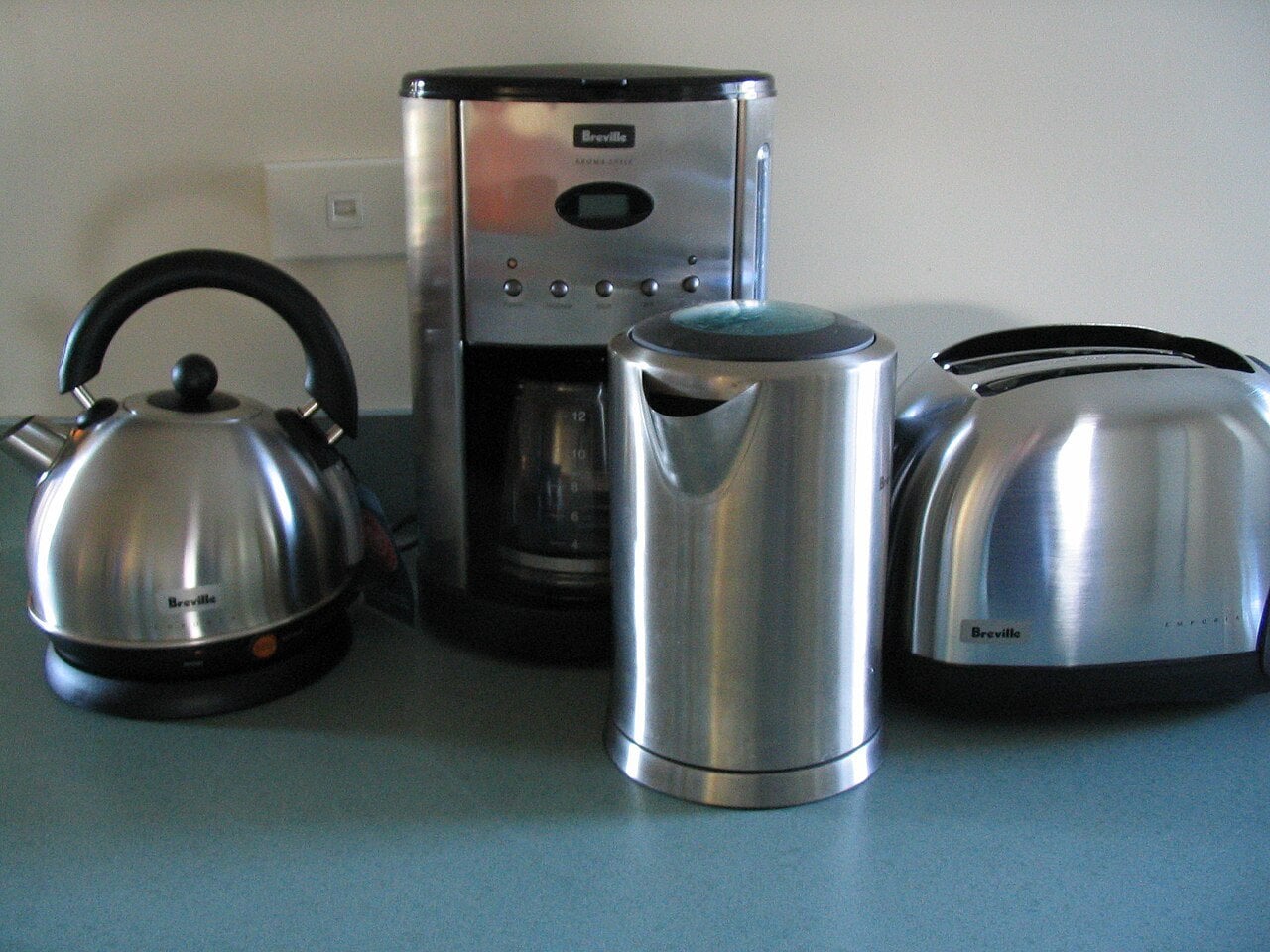
Peabody Argentina, the home-appliance brand under Goldmund S.A., has stopped manufacturing locally. The company dismantled its La Tablada plant and now operates as a commercial importer.
What Peabody Argentina Is Closing
Peabody, the historic Argentine appliance brand, has ceased local manufacturing. The company dismantled its La Tablada plant and removed the machinery.
The equipment is now stored elsewhere, according to reports. Goldmund S.A., the controlling firm, confirmed the shift in operations.
Peabody now operates as a commercial and importing business. It remains under a concurso preventivo, a bankruptcy protection proceeding.
The company’s production lines, especially for climatization, have been relocated. This marks the end of an era for the brand’s local manufacturing.
Where Production Is Going
Part of Peabody’s production has already moved to Paraguay under a maquila regime. This allows for lower-cost manufacturing with tax benefits.
The company also plans to import finished goods from Asia. This shift is part of a broader strategy to reduce costs.
Paraguay offers significantly cheaper production, about 30% to 35% lower. This makes it an attractive alternative to Argentina.
The climatization line, which includes air conditioners, is a key focus. It will be produced in Paraguay and imported from Asia.
Why It Is Leaving
Peabody said producing in Argentina had become uncompetitive. Higher labor costs, taxes, and a heavier cost structure are the main reasons.
The company’s cost structure in Argentina was too high. This made local manufacturing unsustainable in the current economic climate.
Imported competition and rising costs pressured the brand. The shift to imports and regional production is a response to these challenges.
The move reflects a broader trend in Argentina’s appliance sector. Many companies are moving to lower-cost production bases.
Argentina’s Industrial Squeeze
Argentina’s appliance industry is facing a significant squeeze. Local manufacturing is giving way to imports and regional production.
High costs and economic instability are driving this change. Companies like Peabody are adapting to survive.
The government’s policies have not been able to reverse this trend. Imported goods are often cheaper than locally produced ones.
This shift is reshaping the industrial landscape. More companies are becoming commercial importers rather than manufacturers.
The Jobs at Stake
Peabody ended June with 111 employees, down from 158 at the start of the bankruptcy proceeding. That means 47 jobs were lost during that period.
The longer-run reduction is much larger. The company had about 350 workers in 2023.
This represents a significant loss of employment in the sector. Many workers have been affected by the production shift.
The move to Paraguay and Asia will not bring these jobs back. Local employment in the appliance industry continues to decline.
What to Watch
Observers will watch how Peabody’s import strategy performs. The company’s survival depends on its ability to compete with imports.
The bankruptcy proceeding will be closely monitored. Creditors and workers are awaiting the outcome.
Other appliance makers may follow Peabody’s lead. The industry is likely to see more shifts to lower-cost production.
Government policy responses could affect the trend. Any changes in trade or tax policy might impact these decisions.
More: Argentina news in English, every day from The Rio Times.
Frequently Asked Questions
Is Peabody Argentina the same as Peabody Energy?
No, Peabody Argentina is the home-appliance brand controlled by Goldmund S.A. It is not related to Peabody Energy. Which is a mining company.
Where will Peabody now produce its appliances?
Peabody has moved part of its production to Paraguay under a maquila regime. It will also import finished goods from Asia.
How many jobs were lost at Peabody?
Peabody’s workforce fell from 158 to 111 during the bankruptcy proceeding, a loss of 47 jobs. The company had about 350 workers in 2023.
Why did Peabody stop manufacturing in Argentina?
Peabody said production in Argentina was uncompetitive due to higher labor costs, taxes, and a heavier cost structure. Producing in Paraguay is 30%–35% cheaper.
Sources: Company statements; Argentine press reports.
This article was produced by The Rio Times’ automated newsroom system. How we use AI · Report an error
Read More from The Rio Times