
Transportadora de Gas del Sur (TGS), the Argentine pipeline company whose shares trade in New York, says the whole capacity of its new US$3 billion plant in the Vaca Muerta shale region is now contracted. Chief executive Oscar Sardi said at an industry conference on natural gas and liquefied natural gas (LNG) in Buenos Aires on Tuesday 3 November 2026 that the project is “sold 100%” and already under construction.
The plant will turn raw shale gas into propane, butane and other liquids for export, and US oil major Chevron is one of three partners. TGS puts the expected export earnings at about US$1.2 billion a year at standard prices, which is the company’s own estimate.
Key Facts
•Who. TGS, an Argentine gas pipeline and processing company, says 100% of the plant’s capacity is contracted.
•What. A gas liquids plant at Tratayén, in Neuquén province’s Vaca Muerta shale basin, costing about US$3 billion.
•Partners. TGS names YPF (state oil firm), Pluspetrol (oil producer) and Chevron (US oil major) as commercial partners.
•Output. The plant is designed for 2.8 to 3 million tonnes of liquids a year, aimed at export markets.
•Not known. Contract prices and lengths are unpublished.
•Power Index. Argentina ranks 4th of 14 in The Rio Times Latin America Power Index, with 60.2 points (November 2026 edition).
An Argentine gas company says all capacity at its new Vaca Muerta plant is contracted before the plant is finished.
What TGS Announced
Sardi said the project is fully contracted and already under construction. The plant will take raw gas from Vaca Muerta, a large shale formation in Neuquén province, and separate the liquids from it.
TGS names three producers as commercial partners: YPF, Argentina’s state-controlled oil company, Pluspetrol, an independent oil and gas producer, and Chevron, the US oil major. It says their contracts already covered more than 80% of capacity when the investment was approved in June.
The plant is designed to handle 43 million cubic metres of gas a day. TGS says the 2.8 to 3 million tonnes of yearly output is designed for regional and overseas buyers.
How the Contracts Grew
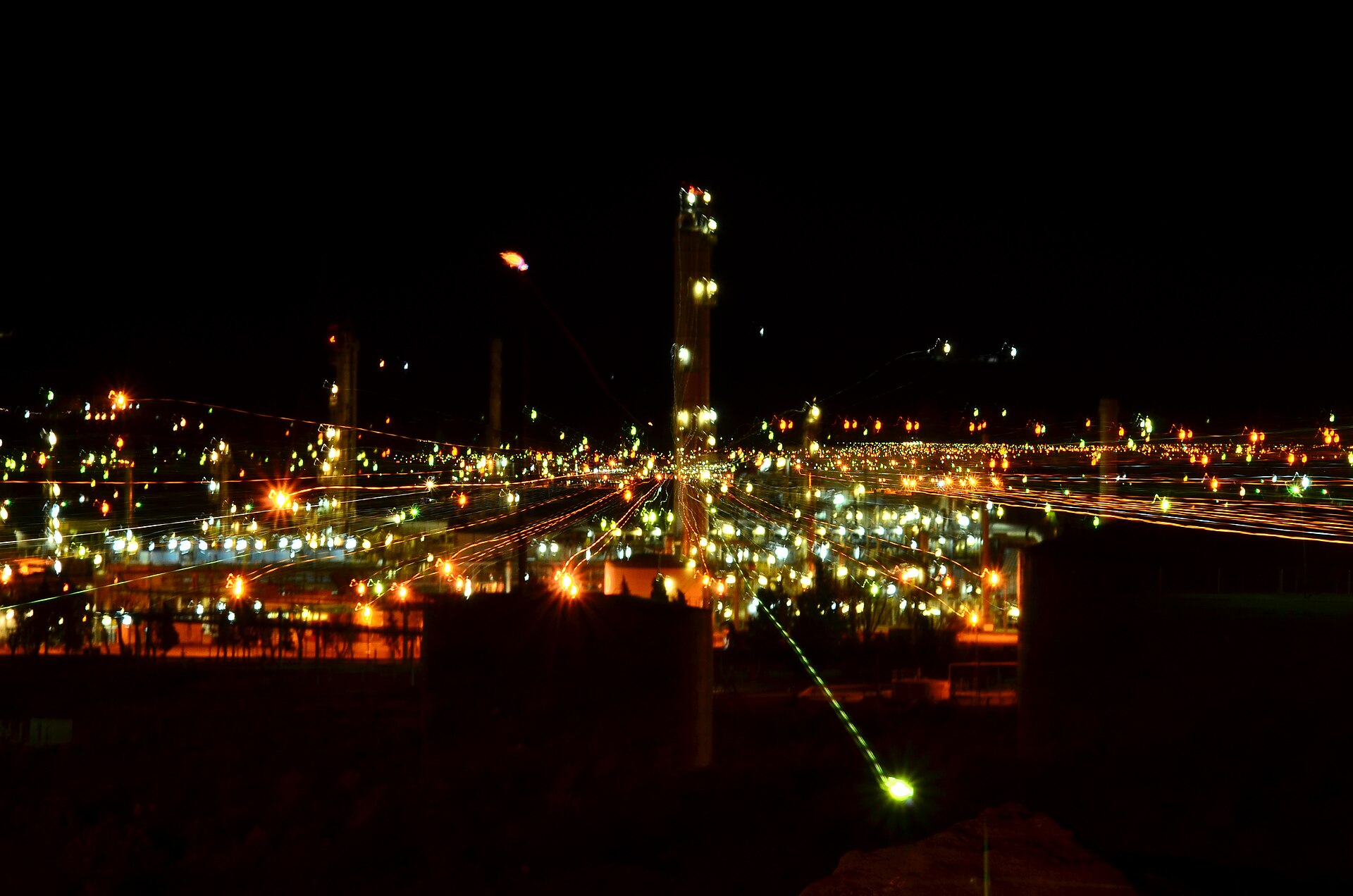
When TGS approved the investment in June 2026, contracts already covered more than 80% of capacity. The share has grown since, and the latest statement puts it at the full capacity.
That moves the project from a partly contracted plan to a fully contracted one. The contracts themselves are not public.
What the Plant Will Do
At Tratayén, TGS will run four gas-treatment modules, two new ones alongside two existing ones. A new pipeline of about 100 kilometres, laid alongside the current one, will separate dry gas from wet gas.
The liquids then travel by a separate pipeline to Bahía Blanca, an Atlantic port in Buenos Aires province. There a fractionation plant, which splits the mix into propane, butane and other products, will prepare them for ships.
In October 2026, the evaluation committee of Argentina’s large-investment incentive regime, known as RIGI, approved TGS’s two linked projects, with investment above US$3.2 billion. RIGI offers big investors long-term legal and tax stability.
In plain English. Natural gas liquids (NGLs) are propane, butane and similar fuels that come out of raw gas. They are the products the plant will export.
What It Means for You
For investors who follow TGS shares, which trade in the US as American depositary receipts, full contracting eases the question of whether the plant will find customers. It does not remove the risks of construction cost, timing and Argentine policy.
TGS names Chevron, a US company, as a commercial partner. If exports reach the US$1.2 billion a year TGS expects, they would add to the dollars Argentina earns abroad.
What Is Not Known
TGS has not published the contracts, so prices, contract length and the split between partners are unknown. It is also unclear whether each producer pays for processing or takes the liquids as product.
TGS has described a 45-month build, which would put start-up around 2030. It has not said whether the schedule has changed since the October approval.
Earlier coverage: the June investment decision and the October RIGI approval. See also Argentina’s US$12.24 billion Vaca Muerta RIGI project and Argentina news in English.
Frequently Asked Questions
What did TGS announce about its Vaca Muerta project?
TGS chief executive Oscar Sardi said the plant’s entire capacity is now contracted and the project is under construction. The investment is about US$3 billion.
What will the TGS plant produce?
It will separate natural gas liquids such as propane and butane from shale gas at Tratayén. TGS plans 2.8 to 3 million tonnes a year, aimed at export markets.
How much will the project earn in exports?
TGS estimates about US$1.2 billion a year at standard prices. That is the company’s own estimate, not an official forecast.
When will the plant start exporting?
TGS has described a 45-month build, which would put start-up around 2030. Reports on the October incentive approval also point to 2030.
Sources: statements by TGS chief executive Oscar Sardi at the 4th Natural Gas and LNG conference, Buenos Aires, 3 November 2026; TGS company announcements and investor presentations; Argentina’s RIGI project approvals (October 2026). TGS annual report on Form 20-F, filed with the US Securities and Exchange Commission.
This article was produced by The Rio Times’ automated AI newsroom. Editorial responsibility: Matthias Camenzind, Publisher and Editor-in-Chief. The Rio Times also runs Ask Rio Times, which answers from 100,000+ of our own articles, the daily Latin America Power Map, and prediction-market odds on elections and markets.. How we use AI · Report an error