Panama vs Argentina: What It’s Actually Like to Live in Each
Expats · Comparison
Key Facts
- —Rent A city-centre one-bedroom runs about US$1,320 a month in Panama City, versus roughly US$583 in central Buenos Aires.
- —Currency Panama uses the US dollar; Argentina’s peso trades near ARS 1,515 to the dollar with inflation around 33-34%.
- —Residency Panama’s Pensionado needs a US$1,000 monthly pension; Argentina’s Rentista wants about US$1,500-2,000 in passive income.
- —Healthcare Private GP visits cost US$30-80 in Panama and US$30-70 in Buenos Aires, both with well-regarded private hospitals.
- —Blue dollar Argentina’s famous parallel rate gap has shrunk to just 1-3%, so the old expat windfall is largely gone.
One runs on the US dollar with easy residency. The other tempts you with cheap dinners and a peso that keeps you guessing.
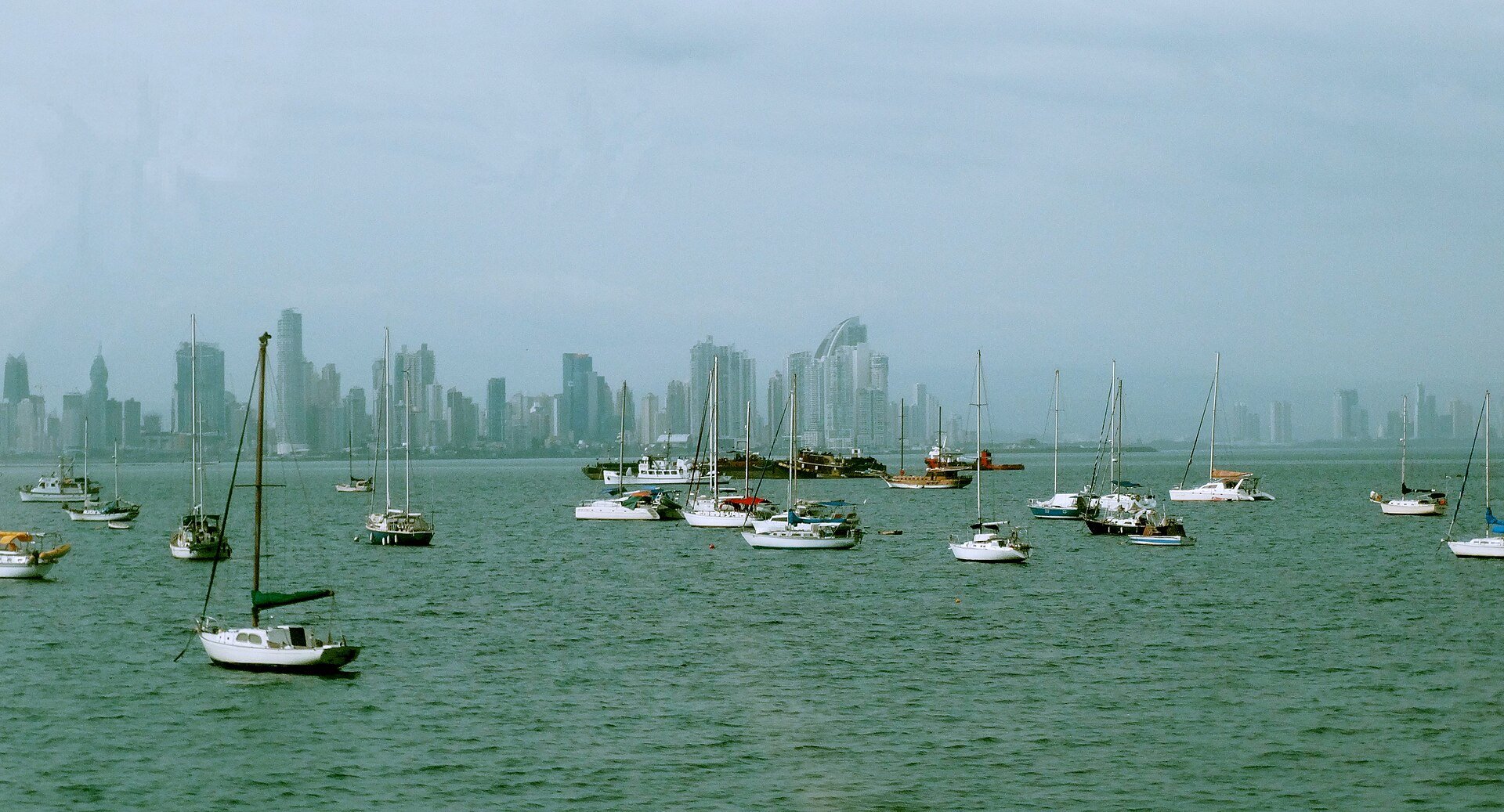
Panama vs Argentina is one of the most common face-offs for anyone weighing a move to Latin America. One offers dollar-priced calm, and the other offers cheaper living wrapped in currency drama.
Both work well, but they suit very different people.
The Short Version: Which One Suits You
Think of it as a trade-off between calm and character. Panama offers a predictable, dollar-based life with some of the easiest residency rules in the region.
Argentina offers a deeper, more European city life at a lower daily cost. Yet you pay for that in currency swings and heavier paperwork.
What It Costs to Live in Each City
Panama City is the pricier of the two on paper. A central one-bedroom runs about US$1,320 a month, and monthly groceries for one come to roughly US$296.
Buenos Aires undercuts it on rent. A central one-bedroom sits near US$583 a month in recent listings, although nicer neighbourhoods can push that toward US$1,200.
Groceries in Buenos Aires land around US$282 a month for one person. Because the two are closer than the rent gap suggests, dining out is where Argentina really pulls ahead.
A simple restaurant meal costs about US$10 in Panama City, and a mid-range dinner for two runs near US$50. In Buenos Aires both tend to cost noticeably less, which is why the city feels cheap to visitors.
Currency: The US Dollar vs the Peso
Here is the biggest practical difference between the two. Panama uses the US dollar as legal tender, with the local balboa pegged one-to-one.
So your money holds its value day to day. Argentina is another story.
The peso trades near ARS 1,515 to the dollar, and annual inflation still runs around 33-34%. So prices and rates shift under your feet.
For a salary earned in dollars, that volatility can work in your favour. However, it also means budgeting takes more attention than it ever will in Panama.
The Blue-Dollar Reality for Expats Now
For years, expats loved Argentina’s ‘blue dollar’, the parallel rate that made dollars go much further. That windfall has largely faded.
After recent reforms, the gap between the official and parallel rates has shrunk to just 1-3%. As a result, the dramatic arbitrage that once defined expat life in Buenos Aires is mostly gone.
Buenos Aires is still cheap in dollar terms. Yet the reason now is a weak peso and low local prices, not a hidden street-market bonus.
How Safe You’ll Feel Day to Day
Both cities ask for normal big-city caution. Panama City scores about 53.5 on Numbeo’s safety index, and the country recorded 581 homicides in 2024, near 13 per 100,000.
Buenos Aires feels safer than its reputation suggests. The city’s homicide rate fell to just 2.5 per 100,000 in 2025, among the lowest of any capital in the Americas.
That said, petty theft is the real daily concern in both places. Because pickpocketing and phone-snatching are common, most expats simply stay alert and avoid flashing valuables.
Healthcare: Cost and Quality
Both countries offer strong private healthcare at prices that surprise North Americans. In Panama, a private GP visit runs about US$30-80, and local insurance for a younger adult costs roughly US$80-180 a month.
Buenos Aires is similar and often cheaper. A private consultation costs around US$30-70, while a private ‘prepaga’ health plan runs about US$60-170 a month.
Panama also lets residents use public clinics for just US$1-3 a visit. Meanwhile, Argentina has started charging non-resident foreigners for routine public care, although emergencies remain free.
Panama vs Argentina on Residency and Visas
This is where Panama pulls clearly ahead. Its Pensionado visa needs only a US$1,000 monthly lifetime pension, and it grants permanent residency almost immediately.
Panama’s Friendly Nations route suits people who are not retired. You qualify through a local job, or by investing US$200,000 in property or a bank deposit.
And remote workers can use a short-stay visa needing US$36,000 a year in foreign income. Argentina leans on its Rentista visa, which asks for passive income of five times the minimum wage.
In practice, advisers suggest budgeting US$1,500-2,000 a month, since its digital-nomad route has become unreliable after recent immigration changes.
Climate and the Daily Rhythm
The weather could not be more different. Panama City is hot and humid all year, with highs of 28-32°C and a wet season from May to December.
Buenos Aires gives you four real seasons. Summers reach about 30°C, while winters cool to daytime highs near 14-16°C, closer to a European rhythm.
Lifestyle follows the climate. Panama runs on air-conditioning and beach weekends, whereas Buenos Aires offers late dinners, cafe culture and famous nightlife.
Internet and Working Remotely
Remote workers are well served in both countries. Panama posts median fixed broadband around 161 Mbps, with mobile near 27 Mbps, which is fast by regional standards.
Argentina trails slightly but is catching up. Median fixed broadband sits near 75-100 Mbps, while top city fibre plans reach well past 160 Mbps.
For most video calls and uploads, either country works fine. Still, Panama’s newer infrastructure gives it a small edge for heavy remote work.
So, Which Should You Choose?
Neither city wins the Panama vs Argentina debate outright, and that is the point. Panama rewards people who want stability, easy residency and dollar prices they can plan around.
Argentina rewards those who want culture, cheaper daily life and do not mind some financial turbulence. If you value calm and simple paperwork, Panama is the safer bet.
If you crave a rich, walkable city and can roll with a moving peso, Buenos Aires is hard to beat. Either way, both suit different temperaments more than different budgets.
Background: our pix boletos and how payments actually work in brazil a guide for expats guide.
Frequently Asked Questions
Is Panama or Argentina cheaper for expats?
Buenos Aires is generally cheaper day to day, with lower rent and much cheaper dining. Panama costs more but pays you back with dollar stability and no inflation surprises.
Which country is easier for residency?
Panama, clearly. Its Pensionado visa needs a US$1,000 monthly pension, while Argentina’s Rentista wants about US$1,500-2,000 in passive income and stricter proof.
Is the Argentine blue dollar still worth it?
Not really. The gap with the official rate has fallen to about 1-3%, so the old street-market windfall for expats is largely gone.
Which is safer, Panama City or Buenos Aires?
Buenos Aires has a very low homicide rate, near 2.5 per 100,000 in 2025. Both cities share the same real risk, which is petty theft, so stay alert.
Connected Coverage
Sources: Numbeo; Ookla Speedtest; Panama immigration authorities; Argentina Rentista visa rules; expat healthcare and relocation guides (2026).
This article was produced by The Rio Times’ automated newsroom system. How we use AI · Report an error
Read More from The Rio Times