Panama Fuel Subsidy Caps Raised to US$341 Weekly for Buses
PANAMA · BUSINESS
Key Facts
- —What happened Panama raised weekly Panama fuel subsidy ceilings for buses, taxis, cargo trucks and fishing boats from 18 September 2026.
- —The context The scheme began on 31 March 2026, when Panama capped fuel prices for chosen sectors for up to 10 months.
- —Why it matters Steady bus and taxi fares protect daily transport costs for residents, while cargo support may ease some goods prices.
- —The catch Private drivers get nothing; only ATTT-certified vehicles pay the capped price, and unused weekly amounts cannot be carried over.
- —Who it affects Certified bus, school bus, taxi, cargo and fishing operators; expats and investors only benefit indirectly through stable fares.
- —What comes next The energy office sets new pump prices on 2 October 2026, and the government has not said if support continues.
The finance ministry raised weekly limits for buses, taxis, cargo trucks and fishing boats as pump prices went up again.
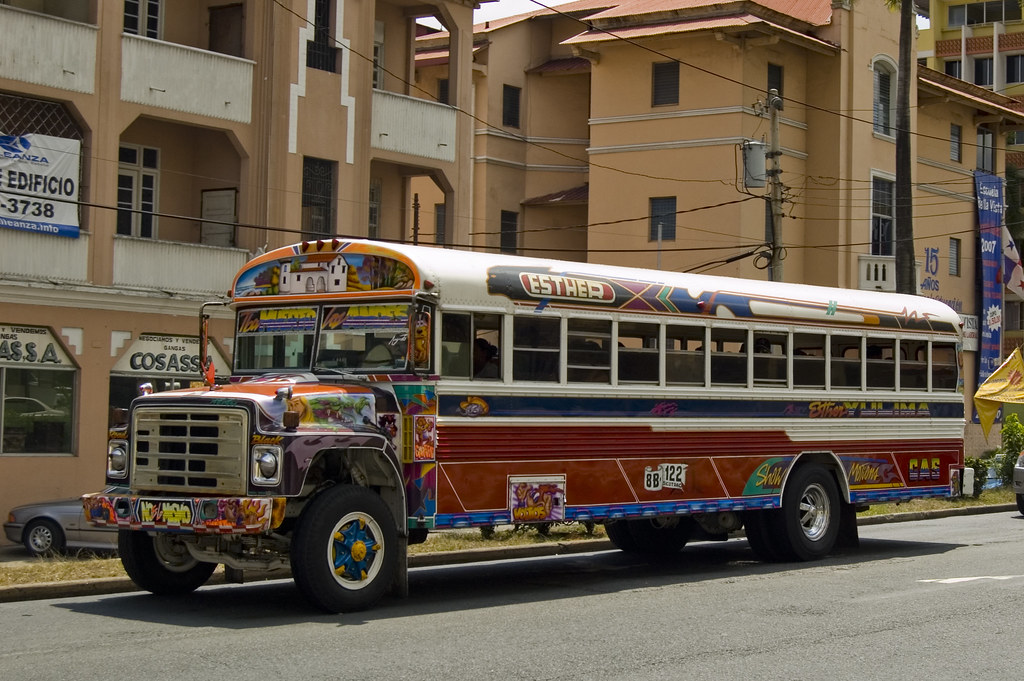
Panama has adjusted its Panama fuel subsidy for transport operators after a new rise in pump prices and complaints from bus owners. The Ministry of Economy and Finance (MEF) set the new amounts in Resolution MEF-RES-2026-3099, published on Thursday 17 September 2026.
What the new resolution sets
Under the resolution, eligible operators pay at most US$0.95 per liter for 91-octane gasoline. The cap is US$1.08 per liter for 95-octane gasoline and US$0.90 for low-sulfur diesel.
Per gallon, those caps work out to about US$3.60, US$4.09 and US$3.41. The state pays the gap between these caps and the pump price through the MEF.
The measure took effect at 6:00 a.m. on Friday 18 September 2026. It runs until 5:59 a.m. on Friday 2 October 2026.
Panama uses the US dollar, and its own balboa is fixed one to one with it. So all figures here are in US dollars with no conversion needed.
Why pump prices went up again
The Secretaría Nacional de Energía, Panama’s national energy office, sets maximum pump prices every two weeks. It announced the new prices on 16 September 2026 for the same 18 September to 2 October window.
In Panama City and Colón, 95-octane gasoline now costs up to US$1.384 per liter. 91-octane costs up to US$1.287 per liter.
Low-sulfur diesel costs up to US$1.530 per liter, or about US$5.79 a gallon. That is up from about US$5.31 a gallon in the previous two weeks.
The energy office linked the upward trend to tension in the Middle East pushing up world crude prices. Panama imports almost all of its fuel.
How the Panama fuel subsidy ceilings changed
Each vehicle type can receive only a set amount of subsidy per week. According to the published table, a collective bus can now get up to US$309.96 a week.
A school bus can get up to US$166.95 and an internal-route bus up to US$190.89. A taxi can get up to US$63.69 a week.
Buses over 10 tonnes that use the Centenario Bridge have the highest ceiling, at US$341.46 a week. The MEF said these buses burn more fuel because of restrictions on the Bridge of the Americas.
For cargo, a pick-up or panel van rose from US$32.80 to US$50.40 a week. Most vehicle ceilings rose by 53.7%, while taxis and fishing rose by 20.4%.
Pressure from transport operators
The change came after bus operators complained that the old limits did not cover their costs. Operators in Panamá Oeste asked for new talks and gave the government 24 hours to respond.
Guillermo Rivera leads a national group of bus and taxi operators. He said one long route got support worth only four days of work a week.
Rivera also said fares have not risen since 2011, while costs have. He warned that operators could consider a fare increase.
After the new resolution, Jorge Dimas, president of the National Chamber of Transport (Canatra), said fares will stay the same. “La idea es que al usuario no se le incremente el pasaje,” he said.
In English, that means the idea is that passengers do not pay more.
Who checks eligibility
The Transit and Land Transport Authority (ATTT) certifies which vehicles meet the rules. Operators who are not certified do not get the capped price.
Unused weekly amounts cannot be carried over to the next week. The support depends on money being available in the budget.
What it means for expats and investors
If you live in Panama and drive your own car, this subsidy does not lower your fuel bill. You pay the full pump price set by the energy office.
The main benefit for residents is indirect. Holding bus and taxi fares steady protects daily transport costs, and cargo support may ease some food and goods prices.
The current scheme began on 31 March 2026, when the government set capped fuel prices for the same sectors. It said the support could last up to 10 months, depending on world markets.
At the time, Minister of Economy and Finance Felipe Chapman put the cost at about US$15 million a month. He called it a temporary measure for a situation beyond Panama’s control.
In early September, the MEF said the temporary mechanism has a total ceiling of up to US$100 million.
Chapman is still in the post. The government calls the support temporary and aimed only at chosen sectors.
What is still not known
The government has not said how much this two-week period will cost. It has also not said whether the support will continue after 2 October 2026.
Dimas said operators do not have an end date for the subsidy. If it stops, fares could come up for review.
The next pump price update is due for 2 October 2026, when the energy office sets new maximum prices.
Frequently Asked Questions
Frequently Asked Questions
Does the Panama fuel subsidy lower prices for all drivers?
No. It only covers certified public transport, school transport, essential cargo and artisanal fishing. Private drivers pay the full pump price.
How long do the new rules last?
From 6:00 a.m. on 18 September until 5:59 a.m. on 2 October 2026. No extension has been announced yet.
Will bus fares go up?
Not for now. The head of the National Chamber of Transport said fares will stay the same under the new ceilings.
Connected Coverage
Moody’s Doubts Panama’s Investment Grade as a Shut Copper Mine Weighs
Panama 2027 Budget Books US$103 Million for San Miguelito Cable Car
Sources: Ministry of Economy and Finance Resolution MEF-RES-2026-3099, 17 September 2026; Secretaría Nacional de Energía price notice, 16 September 2026; Presidency of Panama, 31 March 2026; Telemetro; TVN; El Siglo; La Estrella de Panamá; La Prensa.
This article was produced by The Rio Times’ automated newsroom system. How we use AI · Report an error
Read More from The Rio Times