Bladex Grants Panama a Record US$1 Billion Loan
PANAMA · ECONOMY
Key Facts
- —What happened Bladex agreed to lend Panama’s government up to US$1 billion.
- —How big It is the largest single loan the trade bank has ever structured.
- —What it’s for Panama will use the money for general budget spending, Bladex said.
- —The catch Neither side has disclosed the interest rate or the repayment schedule.
- —Why it matters Panama lost its investment-grade rating from Fitch back in 2024.
- —What comes next Panama’s fiscal deficit narrowed to 2.78% of GDP through July 2026.
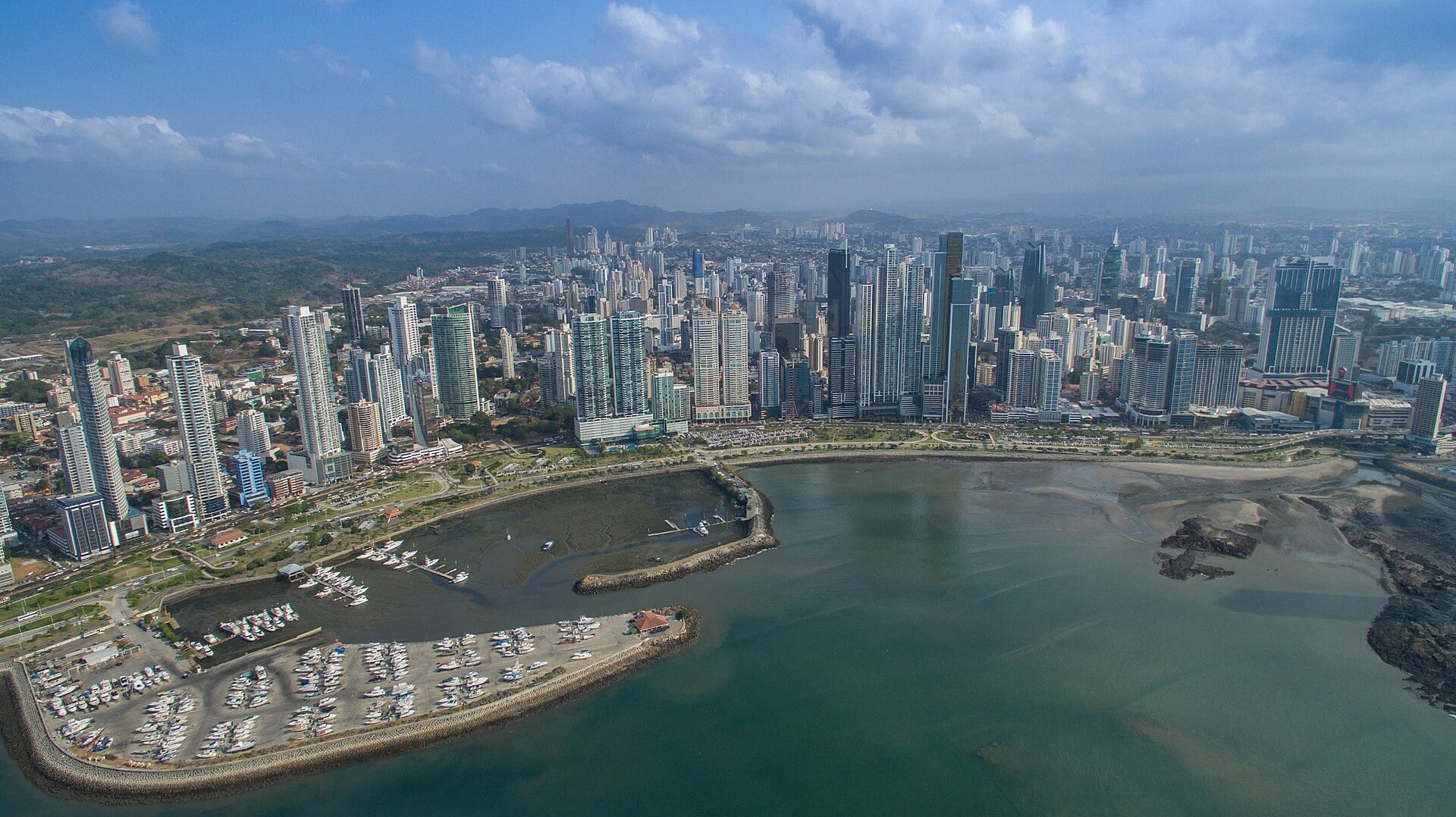
Panama’s government has borrowed up to US$1 billion from Bladex. It is the biggest single deal the regional trade bank has ever made.
Bladex has agreed to lend the government of Panama up to US$1 billion. The Panama-based trade bank announced the deal on 15 September 2026, calling it the largest single loan it has ever structured.
What Was Announced
Bladex, formally the Banco Latinoamericano de Comercio Exterior, said it structured a senior loan for Panama’s Ministry of Economy and Finance. The facility is worth up to US$1 billion.
A senior loan gives its holder priority for repayment ahead of other creditors.
Samuel Canineu, Bladex’s Executive Vice President of Business, called the deal significant. “This transaction reflects Bladex’s ability to structure large-scale financial solutions for sovereign and institutional clients across the region,” he said.
Who Is Bladex
Bladex is a multilateral trade bank founded in Panama in 1979 to finance foreign trade across Latin America. It became the first Latin American bank listed on the New York Stock Exchange, in 1992.
The bank mainly finances trade for companies and governments across the region. Standard & Poor’s upgraded Bladex’s own rating to BBB+ in June 2026, a notch above where Fitch currently rates Panama’s sovereign debt.
What the Money Is For
Panama’s government will use the loan for “general budgetary purposes,” according to Bladex. The announcement did not name a specific project or spending line.
Panama’s Ministry of Economy and Finance helped structure the deal. Neither Bladex nor the ministry named an individual minister or signatory in the statements Rio Times reviewed.
What Wasn’t Disclosed
Bladex did not publish the loan’s interest rate, its final drawn amount, or its repayment period. Those terms often surface later, if at all, for a private bank loan rather than a public bond.
It is also not yet clear whether other banks will join the facility, or whether Bladex is lending the full amount alone. Rio Times found no confirmation either way as of publication.
Why Panama Is Borrowing Now
Panama has lost ground with credit rating agencies over the past two years. Fitch downgraded Panama to BB+, below investment grade, back in March 2024.
Moody’s still rates Panama at Baa3, its lowest investment-grade level, but with a negative outlook in place since late 2024. Moody’s has said it intends to resolve that outlook before the end of 2026, Rio Times reported previously.
Panama’s non-financial public sector deficit ran at 2.78% of GDP for January through July 2026. That is an improvement on 3.27% in the same period of 2025, though it remains a real shortfall.
Borrowing from a range of lenders, rather than relying only on bond markets, is one way governments manage that kind of pressure.
Part of a Wider Financing Push
Panama refinanced a Eurobond due in 2031, worth about US$3.3 billion, earlier this year, Rio Times reported in July 2026. The Bladex loan adds a separate, additional source of financing on top of that.
Bladex framed the new loan as a way to help Panama “diversify its sources of financing.” That phrase points to the same underlying pressure: fewer easy options in bond markets while rating agencies stay cautious.
What It Means for Investors and Residents
For most people in Panama, this loan changes little day to day. A government financing deal does not directly move wages, taxes or public services in the short term.
For investors watching Panama’s debt, it is one more data point on how the government is funding its deficit. A wider mix of lenders can support market confidence. It does not, by itself, close the deficit or lift the country’s ratings.
What Comes Next
Moody’s has said it will resolve Panama’s negative outlook before the end of 2026. Analysts will also watch whether Panama returns to bond markets again this year, or leans further on bank loans like this one.
More: Panama news in English, every day from The Rio Times.
Frequently Asked Questions
How much did Bladex lend Panama?
Up to US$1 billion, in what Bladex called its largest single loan to date, announced on 15 September 2026.
What will Panama use the loan for?
Bladex said the funds would support Panama’s general state budget, without naming a specific project.
Why is Panama borrowing from Bladex instead of only the bond market?
Panama has faced ratings pressure, including a Fitch downgrade to BB+ in 2024 and a negative Moody’s outlook. It is diversifying its financing sources in response.
What is Bladex?
Bladex, the Banco Latinoamericano de Comercio Exterior, is a Panama-based trade bank founded in 1979. It became the first Latin American bank listed on the NYSE.
Sources: Infobae, Panamá América, EcoTV Panamá, StockTitan/PRNewswire, Rio Times prior reporting. https://www.infobae.com/america/agencias/2026/09/15/bladex-otorga-un-prestamo-de-hasta-1000-millones-de-dolares-a-panama/ https://www.panamaamerica.com.pa/economia/bladex-otorga-prestamo-de-1000-millones-panama-para-el-presupuesto-general-1266383 https://www.ecotvpanama.com/economia/bladex-otorga-un-prestamo-1000-millones-dolares-panama-n6091879 https://www.stocktitan.net/news/BLX/bladex-structures-usd-1-0-billion-loan-for-the-republic-of-1mehpm5idnik.html https://www.riotimesonline.com/panama-fiscal-deficit-moodys-investment-grade-2026 https://www.riotimesonline.com/panama-debt-refinancing-eur-2-9-billion-2031 https://www.riotimesonline.com/panama-growth-forecast-deficit-figures-2026
This article was produced by The Rio Times’ automated newsroom system. How we use AI · Report an error
Read More from The Rio Times