IBOV 171,336.99 ▼ 0.52% IPC MEX 71,905.78 ▲ 0.05% MERVAL 2,848,945 — — USD/BRL5.55▼ 0.54% USD/MXN18.66▲ 0.21% USD/CLP982.72▼ 0.15% USD/COP3,296▲ 0.68% USD/PEN3.41▲ 0.01% USD/ARS1,551▲ 0.34% USD/UYU40.43▲ 3.48% USD/PYG6,196▲ 2.20% USD/BOB11.68▲ 1.36% USD/DOP60.81▲ 0.68% USD/CRC445.62▲ 1.58% USD/GTQ7.64▲ 3.18% USD/HNL26.89▲ 0.13% USD/NIO36.62▲ 1.17% USD/VES899.36▼ 0.13% USD/PAB1.00— 0.00% USD/BZD2.00— 0.00% USD/JMD157.69▲ 2.36% USD/TTD6.72▲ 2.30% EUR/BRL6.18▲ 0.01% BRENT 93.21 ▲ 1.88% WTI 87.32 ▲ 1.49% IRON ORE 161.91 — — COPPER 6.29 ▲ 1.21% GOLD 4,049 ▲ 0.47% SILVER 52.78 ▲ 3.29% SOY 1,223 ▼ 0.14% CORN 446.50 ▼ 0.56% WHEAT 594.00 ▲ 0.21% COFFEE 263.50 ▼ 2.91% SUGAR 18.20 ▲ 0.61% ORANGE JUICE 146.15 ▲ 5.64% COTTON 82.59 ▲ 4.96% COCOA 4,964 ▲ 4.68% BEEF 219.15 ▲ 1.36% CATTLE 330.48 ▲ 0.65% LITHIUM 59.98 ▼ 2.23% PETR4 44.95 ▼ 0.53% VALE3 64.80 — 0.00% ITUB4 41.20 ▼ 1.25% BBDC4 14.54 ▼ 0.95% ABEV3 15.79 ▲ 1.15% BBAS3 17.10 ▲ 0.47% B3SA3 14.48 — 0.00% WEGE3 50.95 — 0.00% PRIO3 60.02 — 0.00% SUZB3 54.46 ▲ 0.48% RENT3 29.79 — 0.00% AZZA3 14.73 ▼ 2.58% CSAN3 2.68 — 0.00% RAIZ4 0.30 ▼ 98.77% PCAR3 2.56 ▲ 5.35% GMAT3 3.81 ▼ 0.52% PSSA3 46.67 — 0.00% CVCB3 0.86 ▼ 1.15% POSI3 3.15 ▲ 3.96% SLCE3 17.09 — 0.00% NATU3 5.55 ▼ 2.80% BRKM5 2.92 ▼ 3.31% RANI3 8.45 ▼ 3.54% CSNA3 4.38 ▼ 2.45% IBOV 171,336.99 ▼ 0.52% IPC MEX 71,905.78 ▲ 0.05% MERVAL 2,848,945 — — USD/BRL 5.56 ▼ 0.43% USD/MXN 18.65 ▲ 0.13% USD/CLP 984.56 ▲ 0.03% USD/COP 3,292 ▲ 0.55% USD/PEN 3.41 ▲ 0.14% USD/ARS 1,545 ▼ 0.03% USD/UYU 40.43 ▲ 3.48% USD/PYG 6,196 ▲ 2.20% USD/BOB 11.68 ▲ 1.36% USD/DOP 60.77 ▲ 0.61% USD/CRC 445.62 ▲ 1.58% USD/GTQ 7.64 ▲ 3.18% USD/HNL 26.89 ▲ 0.13% USD/NIO 36.62 ▲ 1.17% USD/VES 899.36 ▼ 0.13% USD/PAB 1.00 — 0.00% USD/BZD 2.00 — 0.00% USD/JMD 157.69 ▲ 2.46% USD/TTD 6.72 ▲ 2.30% EUR/BRL 6.18 ▲ 0.13% BRENT 93.21 ▲ 1.88% WTI 87.32 ▲ 1.49% IRON ORE 161.91 — — COPPER 6.29 ▲ 1.21% GOLD 4,049 ▲ 0.47% SILVER 52.78 ▲ 3.29% SOY 1,223 ▼ 0.14% CORN 446.50 ▼ 0.56% WHEAT 594.00 ▲ 0.21% COFFEE 263.50 ▼ 2.91% SUGAR 18.20 ▲ 0.61% ORANGE JUICE 146.15 ▲ 5.64% COTTON 82.59 ▲ 4.96% COCOA 4,964 ▲ 4.68% BEEF 219.15 ▲ 1.36% CATTLE 330.48 ▲ 0.65% LITHIUM 59.98 ▼ 2.23% PETR4 44.95 ▼ 0.53% VALE3 64.80 — 0.00% ITUB4 41.20 ▼ 1.25% BBDC4 14.54 ▼ 0.95% ABEV3 15.79 ▲ 1.15% BBAS3 17.10 ▲ 0.47% B3SA3 14.48 — 0.00% WEGE3 50.95 — 0.00% PRIO3 60.02 — 0.00% SUZB3 54.46 ▲ 0.48% RENT3 29.79 — 0.00% AZZA3 14.73 ▼ 2.58% CSAN3 2.68 — 0.00% RAIZ4 0.30 ▼ 98.77% PCAR3 2.56 ▲ 5.35% GMAT3 3.81 ▼ 0.52% PSSA3 46.67 — 0.00% CVCB3 0.86 ▼ 1.15% POSI3 3.15 ▲ 3.96% SLCE3 17.09 — 0.00% NATU3 5.55 ▼ 2.80% BRKM5 2.92 ▼ 3.31% RANI3 8.45 ▼ 3.54% CSNA3 4.38 ▼ 2.45%
since 2009
Wednesday, November 11, 2026

Pakistan Faces Challenges in Meeting IMF Loan Terms

By · · 3 min read

The International Monetary Fund (IMF) recently conducted an unexpected review of Pakistan’s $7 billion bailout program. This surprise visit highlights the delicate balance Pakistan must maintain to secure its financial future.

The IMF’s concerns stem from Pakistan’s struggle to meet agreed-upon targets and implement crucial reforms. Pakistan’s tax collection fell short by $685 million in the first quarter of the fiscal year.

This shortfall raises questions about the country’s ability to reach its annual target of $46 billion. The government now faces pressure to boost revenue without stifling economic growth or burdening citizens.

Free daily brief — no card needed
Get every South Asia & India story in one morning email
We build you a personalized brief around the topics you follow — free for 7 days. Love it? Your first month after that is US$1.

External financing also poses a challenge for Pakistan. A $2.5 billion gap exists in the required funding under the bailout terms. The IMF has urged Pakistan to seek support from allies like Saudi Arabia and China to bridge this deficit.

This situation underscores Pakistan’s reliance on foreign assistance to stabilize its economy. Energy sector reforms remain a contentious issue. Pakistan owes billions to power plants, many backed by Chinese investments.
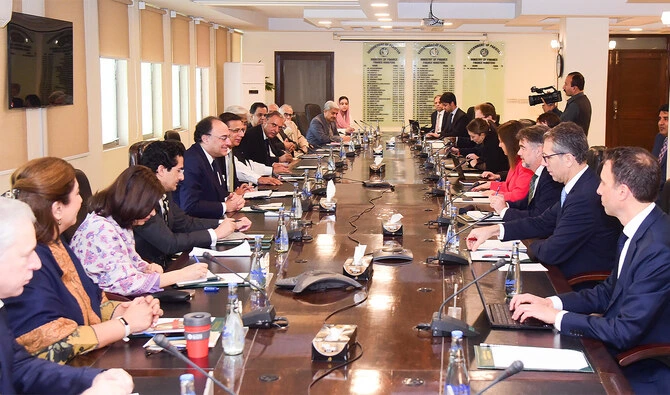
Pakistan Faces Challenges in Meeting IMF Loan Terms
Pakistan Faces Challenges in Meeting IMF Loan Terms.
RT
Ask Rio Times
17 years of Latin America reporting, on demand.
Open the full Ask Rio Times →

The IMF pushes for restructuring and debt repayment, but progress has been slow. This deadlock affects Pakistan’s energy security and foreign relations.

The LatAm Brief

One email, every weekday morning. What moved in Latin American markets, politics and expat life.

Yesterday’s subject line: “Petrobras to pay shareholders US$2.7 billion”

Free. We send a confirmation link first — nothing arrives until you click it. Unsubscribe with one click in any edition. If you stop opening us for 30 days we stop sending by ourselves, as we assume the interest is no longer there. See our privacy policy. We never share your email.

The failed privatization of Pakistan International Airlines (PIA) in November 2024 raised eyebrows at the IMF. This setback casts doubt on Pakistan’s commitment to privatizing state-owned enterprises.

Pakistan’s Economic Challenges

The government must now reassess its approach to make these entities more efficient and less burdensome on public finances. Agricultural income tax reform has hit a roadblock. Provinces missed the deadline to align their tax laws with federal standards.

Large landowners, who wield significant political influence, resist these changes. This standoff reveals the tension between economic necessity and entrenched interests.

The IMF also wants provincial governments to take on more financial responsibilities. Programs like the Benazir Income Support Programme, costing $2.1 billion annually, could shift to provincial budgets.

Additionally, this move aims to decentralize fiscal management and improve efficiency. Pakistan’s Finance Minister, Muhammad Aurangzeb, assures ongoing dialogue with the IMF.

He emphasizes discussions on energy, state-owned enterprises, privatization, and public finance. However, the government faces an uphill battle in implementing these reforms amid political and economic pressures.

The country’s debt-to-GDP ratio exceeds 70%, with over half of government revenues going to interest payments. This high debt burden limits Pakistan’s options for economic maneuvering.

The government must find ways to reduce debt while stimulating growth and maintaining social stability. The IMF’s decision to review the program so soon after its approval signals potential adjustments.

Pakistan risks suspension or cancellation of payments if it fails to meet conditions. Such an outcome would severely impact the country’s already fragile economy.

As Pakistan navigates these challenges, it must balance IMF demands with domestic realities. The government faces the task of implementing reforms without causing undue hardship to its citizens.

This balancing act will determine Pakistan’s economic trajectory in the coming years. The next formal review of the bailout program is set for early 2025. Until then, Pakistan must demonstrate progress on its commitments.

The outcome of this process will shape not only Pakistan’s financial future but also its relationships with international partners and investors.

This article was produced by The Rio Times’ automated AI newsroom. Editorial responsibility: Matthias Camenzind, Publisher and Editor-in-Chief. The Rio Times also runs Ask Rio Times, which answers from 100,000+ of our own articles, the daily Latin America Power Map, and prediction-market odds on elections and markets.. How we use AI · Report an error

The Rio Times · Power Map
See who really holds power in Latin America
Click to open the Power Map →

Brazil runoff date: Sunday, October 25, poll closing times and when results start · Brazil runoff polls: Flávio 51%, Lula 49% · Kalshi and Polymarket odds

Rotate for Best Experience

This report is optimized for landscape viewing. Rotate your phone for the full experience.