Indian Stock Market Faces Headwinds as Foreign Investors Shift Focus
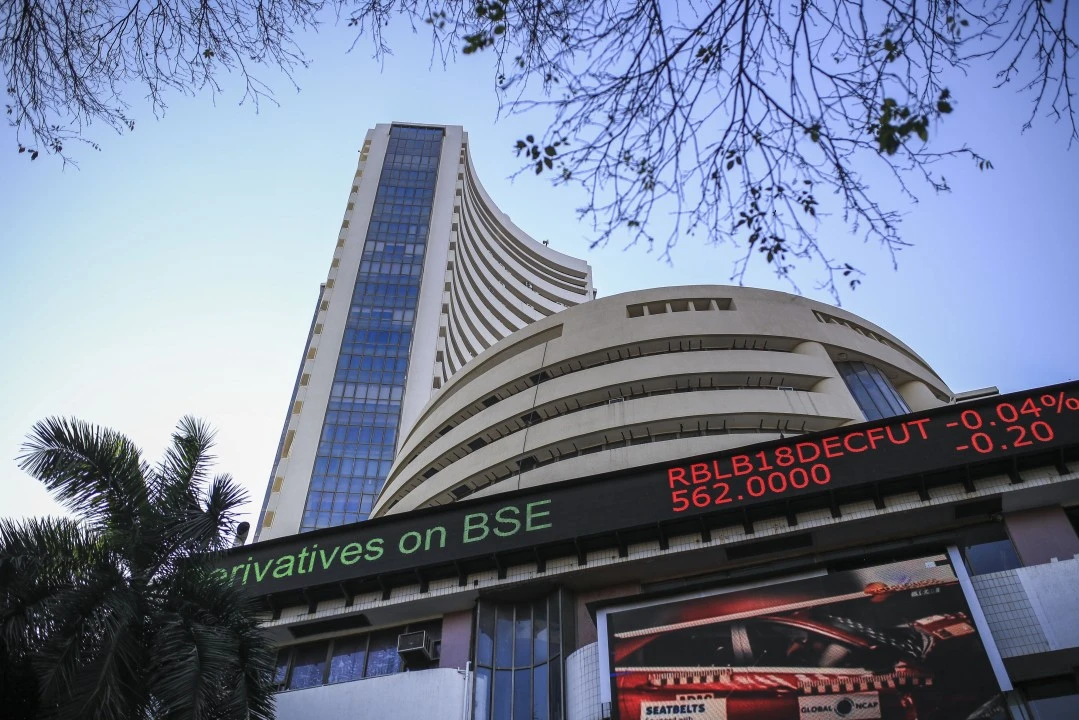
The Indian stock market is experiencing a significant downturn. This shift comes after years of robust growth fueled by foreign investment.
The benchmark Sensex index has fallen 8.2% since its peak in September 2024. This decline stands in stark contrast to other Asian markets, which have seen gains.
Several factors contribute to this market correction. Poor corporate earnings have played a major role. Many large Indian companies reported losses or profit declines in the latest quarter.
This performance has shaken investor confidence and led to sell-offs. Foreign capital outflows have further exacerbated the situation. October 2024 saw a record-breaking 940 billion rupees ($12 billion) leave Indian equities.
This exodus marks a reversal of the strong inflows India enjoyed in recent years. Investors are now turning their attention to other markets, particularly China.
China’s recent economic stimulus measures have attracted investor interest. These include mortgage rate cuts and reduced reserve requirements for banks.
Such moves aim to inject liquidity into the Chinese economy. As a result, some investors are reallocating funds from India to China. The Indian market’s valuation has become a concern for many analysts.
Indian Stock Market Outlook
Mid-cap and small-cap stocks, in particular, are trading at high price-earnings ratios. This suggests that these stocks may be overvalued. The Sensex, while less extreme, still trades at a relatively high multiple.
Economic forecasts for India have become more cautious. Nomura, a financial services firm, predicts a cyclical growth slowdown.
They project GDP growth rates lower than those forecast by the Reserve Bank of India. Signs of softening urban consumption and slowing salary growth support this outlook.
Experts offer mixed views on the market’s future. Some see the current situation as a necessary correction after a liquidity-driven rally.
Others believe that India‘s long-term growth story remains intact. However, most agree that corporate earnings will be crucial in the coming months.
The market correction may present opportunities for discerning investors. Companies with strong fundamentals and reasonable valuations could attract attention.
Long-term investors may find this a suitable time to reassess their portfolios. India’s economic prospects remain positive in the long run.
Factors such as sustained GDP growth and favorable demographics support this view. However, the current market situation underscores the importance of careful investment strategies.
The Indian stock market’s performance reflects broader economic trends. It highlights the interconnectedness of global markets and the impact of policy decisions. As the situation evolves, investors and analysts will closely watch corporate earnings and economic indicators.
This article was produced by The Rio Times’ automated newsroom system. How we use AI · Report an error
In depth
Read More from The Rio Times