Ongoing Human Rights Issues in Zimbabwe Under Mnangagwa
Amnesty International (AI) released a new report about human rights in Zimbabwe.
The document reveals President Emmerson Mnangagwa’s rule hasn’t improved democratic freedoms.
He took office in 2017, promising to fix past wrongs left by former leader Robert Mugabe. However, the report states the opposite has occurred.
Khanyo Farisè, AI’s Deputy Director for Southern Africa, voiced concern. She said the government missed a chance to correct past errors.
Instead, it intensified efforts to suppress civil liberties. She emphasized the need for genuine change to break cycles of abuse and impunity.
Released on Friday, the report flags several concerns. It notes an increasing militarization of police forces.
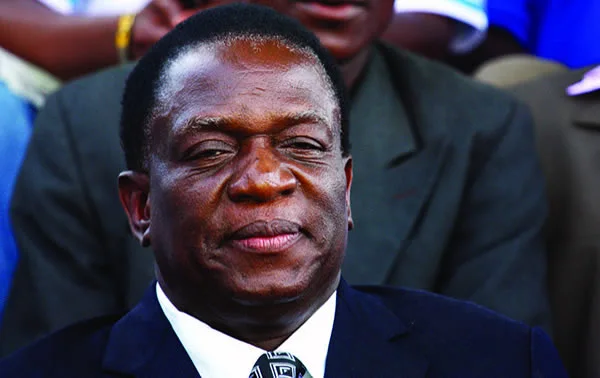
Also, it highlights the use of excessive force in managing protests. Individuals who protest still face risks, much like under Mugabe’s tenure from 1987 to 2017.
The report also exposes increased attacks on journalists and activists. In 2021 alone, 15 reporters said they were harassed or detained for doing their job.
Moreover, the government keeps passing laws that limit public discourse, following old practices from Mugabe’s time.
Recently, elections took place on August 23 and 24. These events showed clear disruptions of opposition gatherings and crackdowns on dissent.
According to AI and Human Rights Watch, such activities marked the electoral process. Mnangagwa secured a second five-year term on September 4.
This happened despite claims of fraud from opposition parties.
In summary, Mnangagwa has been in power since a 2017 coup that removed Mugabe.
Yet, the report suggests that the country hasn’t moved far from its previous state of human rights issues.
Background Human Rights Issues in Zimbabwe
To provide context, Zimbabwe has a long history of human rights issues. Since gaining independence in 1980, the country has faced significant political turmoil.
Initially, Mugabe’s leadership promised democracy but led to decades of repression. Mnangagwa’s rule initially seemed like a turning point, offering hope for a new era.
However, the AI report shows the persistence of old problems. It serves as a wake-up call, urging immediate reforms to ensure citizen freedom.
Failing to act might put Zimbabwe on a path that’s difficult to reverse.
The situation highlights the need for international attention and intervention to foster true democratic change.
This article was produced by The Rio Times’ automated newsroom system. How we use AI · Report an error · Editorial responsibility: Matthias Camenzind, Editor-in-Chief
Part of our ongoing coverage
Africa: The New Scramble — the great-power contest over the continent.