GHANA · HEALTHCARE
Key Facts
- —What is the Ghana Medical Trust Fund A state fund that pays for treatment of chronic illness, launched by President John Dramani Mahama on 29 April 2025. It is known as MahamaCares.
- —How it is funded Mainly by an uncapped share of the National Health Insurance Levy, plus budget support and donations. Parliament passed the enabling bill in July 2025.
- —What happened Novartis met the fund and said it is willing to support it. The meeting was reported on 16 September 2026.
- —What Novartis committed No money. It offered medical equipment, training and research collaboration, and no agreement, volumes or timeline were announced.
- —Who spoke Dr Lutz Hegemann, president of global health and sustainability at Novartis, and fund administrator Adjoa Obuobia Darko-Opoku.
- —What the fund has done It says it has treated 54 patients over four months to May 2026 at a cost of GH¢5 million, about US$435,000.
Ghana built a fund to pay for cancer and kidney treatment. A Swiss drugmaker has just said it would like to help.
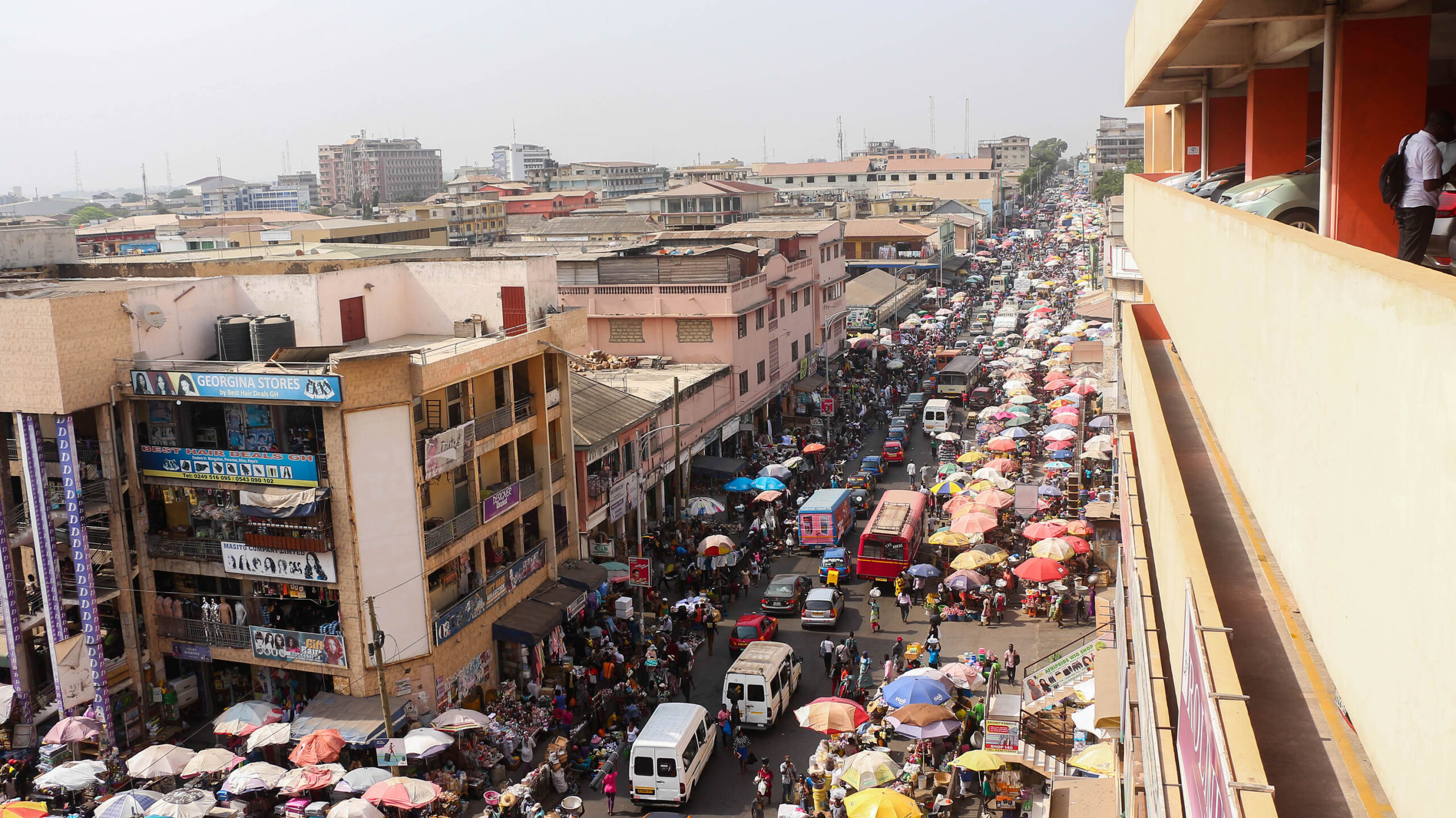
Novartis has told the Ghana Medical Trust Fund it is willing to support the fund with equipment, training and research collaboration. The meeting was reported on 16 September 2026, and no money was committed.
What Was Actually Said
Dr Lutz Hegemann, who leads global health and sustainability at Novartis, described the fund as critical and timely.
He said the company was willing to support it with medical equipment, capacity building and collaboration on research.
No sum was named. No equipment volumes were given. No agreement was signed and no timeline was set.
The fund’s administrator, Adjoa Obuobia Darko-Opoku, received the delegation.
What the Fund Is
President John Dramani Mahama launched the Ghana Medical Trust Fund on 29 April 2025 at the University of Ghana Medical Centre.
Parliament passed the MahamaCares Bill in July 2025, giving it a statutory footing.
Its main revenue is the uncapped portion of the National Health Insurance Levy, supplemented by budget support, donations and investment income.
Seed contributions included six months of the president’s salary and GH¢100,000, about US$8,700, from the University of Ghana Medical Centre.
What It Pays For
The fund covers treatment of non-communicable diseases: cancers, kidney failure, cardiovascular disease and stroke.
These fall largely outside Ghana’s national health insurance package, which means families pay for them directly.
Mahama said at the launch that treating a single patient can cost around GH¢53,000 a year, roughly US$4,600.
For most Ghanaian households that is a sum that ends the treatment rather than one that gets paid.
What It Has Delivered So Far
The fund says it has commissioned a cardiac catheterisation laboratory at the National Cardiothoracic Centre at Korle Bu.
It says it supplied equipment worth GH¢4 million, about US$348,000, to Komfo Anokye Teaching Hospital.
It says cardiology centres are under construction at Komfo Anokye and at Tamale.
Those are the fund’s own accounts of its own work. In the four months to May 2026 it reported treating 54 patients at a cost of GH¢5 million.

Fifty-Four Patients
That number is the most useful thing in the fund’s public record, and it cuts both ways.
It shows a fund that is operating rather than announcing, and treating people whose alternative was nothing.
It also shows the scale. Fifty-four patients in four months against a national burden measured in tens of thousands.
At roughly GH¢92,600 a patient, about US$8,000, the arithmetic of expansion is the fund’s central problem.

Why a Drug Company Is in the Room
Novartis has worked in Ghana before. It launched a sickle cell disease partnership with the health ministry in January 2019 and signed a hydroxyurea agreement that November.
Access partnerships give a manufacturer a route into a market and a public health record to point at.
They also give a health system equipment and training it has not budgeted for.
Both things are true at once, which is why these arrangements are worth reporting and worth watching.
Who Else Has Been Approached
The fund engaged Pfizer in December 2025 on access and pricing.
It engaged Novartis in January 2026 on the same questions.
Those were separate meetings, several weeks apart.
No agreement has been announced from either.
What to Watch
Whether anything is signed with Novartis, and what it contains.
The fund’s patient numbers, which are the only real measure of whether it is working.
Levy receipts, since the uncapped share of the health insurance levy determines what the fund has to spend.
And the cardiology centres at Komfo Anokye and Tamale, which are the largest thing the fund has promised.
More: Africa news and analysis, every day from The Rio Times.
Frequently Asked Questions
What did Novartis commit?
Nothing financial. It expressed willingness to support the fund with medical equipment, training and research collaboration. No agreement was signed.
What is the Ghana Medical Trust Fund?
A state fund for treating chronic illness, launched on 29 April 2025 and known as MahamaCares. Parliament passed its enabling bill in July 2025.
How is it funded?
Mainly by an uncapped share of the National Health Insurance Levy, plus budget support, donations and investment income.
What does it cover?
Non-communicable diseases: cancers, kidney failure, cardiovascular disease and stroke, which fall largely outside national health insurance.
How many patients has it treated?
It reported 54 patients over four months to May 2026, at a cost of GH¢5 million, about US$435,000. That is the fund’s own figure.
Who else has the fund approached?
Pfizer in December 2025 and Novartis in January 2026. No agreement has been announced from either.
Sources: Ghana Medical Trust Fund, Ghana Ministry of Health, Graphic Online, Citinewsroom, ModernGhana, Ghana News Agency.
This article was produced by The Rio Times’ automated newsroom system. How we use AI · Report an error
Read More from The Rio Times