
NIGERIA · OIL
Key Facts
- —The country Nigeria is Africa’s most populous nation and one of its largest oil producers, with Lagos as its commercial hub and Abuja as the capital.
- —What happened Bonny Light, Nigeria’s flagship crude grade, last traded near US$115 a barrel, the Lagos site Nairametrics reported on Saturday 24 October 2026.
- —The price Nairametrics put dated Brent, the benchmark for physical cargoes, at US$110 to US$114, and US crude (WTI) settled at US$103.
- —The cause At least 28 merchant ships were struck near the Strait of Hormuz in October, the Washington Institute said, adding a war-risk premium to oil.
- —The naira The naira closed at 1,365 per US$1 on Thursday 22 October after a 2.1% one-day fall, and traders put Friday’s close at 1,370.
- —Prediction markets Polymarket gave 35.5% on US crude touching US$110 in October and 9.9% on US$115 (24 Oct, 12:54 p.m. ET).
- —Still open Whether Hormuz attacks continue, and whether Nigeria can raise exports while more crude goes to home refineries.
Nairametrics, a Lagos business news site, put Nigerian oil in the Bonny Light grade at about US$115 a barrel on Saturday 24 October 2026. It tied the price to surging ship attacks near the Strait of Hormuz.
For US readers, the price links a Gulf shipping lane to gasoline costs, emerging-market bonds and the oil income of Africa’s most populous country. Nigerian oil earns more per barrel at that price, but a weaker naira and costly pump fuel offset part of the gain.
Why Bonny Light Costs More Than Other Crude
Bonny Light is a light, low-sulphur grade of Nigerian oil pumped in the Niger Delta and shipped from the southern coast. Refiners prize it because it yields more petrol and diesel than heavier grades.
When Middle Eastern supply is at risk, buyers pay extra for such barrels, so Bonny Light tends to trade above Brent. Nairametrics put dated Brent at US$110 to US$114, and Daily Times Nigeria reported Bonny Light above US$115 on 15 September, with Brent above US$108.
Attacks in the Strait of Hormuz
The Strait of Hormuz is a narrow waterway between Iran and Oman through which much of the Persian Gulf’s crude leaves for world markets. At least 28 commercial vessels have been struck there this month, according to the Washington Institute, a US research group.
That group has counted 113 attacks since February, while the International Maritime Organization, the United Nations shipping agency, recorded 120 incidents. Iran’s Revolutionary Guard Corps, its elite force, said seven vessels were hit, and Brent rose 2.59% to about US$111.60 on Thursday 22 October.
Washington Raises the Temperature
President Donald Trump warned that the United States could strike Iran again, citing Operation Epic Fury, which began in February. Tom Barrack, the US ambassador to Türkiye, said a strike could come at the weekend, but Trump said he knew of none.
Rafael Grossi, head of the UN nuclear agency IAEA, said it is technically ready to restart inspections in Iran under a negotiated deal. Iranian President Masoud Pezeshkian is due in Moscow next week for a gas exporters’ summit and talks with Vladimir Putin.
What a US$115 Barrel Means for Nigeria
The 2026 budget was proposed at US$64.85 a barrel and 1.84 million barrels a day, ICIR reported, and lawmakers later lifted the benchmark to US$75. At US$115, the market price is about 53% above that US$75 figure, which should lift state oil receipts if output holds.
Nigerian crude and condensate output averaged 1.7 million barrels a day in August, up from about 1.53 million, Nairametrics said. The upstream regulator NUPRC put August output at 1.678 million, Daily Times Nigeria said, and reserves at 37 billion barrels, Nairametrics said.
Less Crude Left to Export
More Nigerian oil now feeds home refineries, which aim to process about 1.5 million barrels a day, including the Dangote plant near Lagos. Nigeria is sending more Bonny Light, Qua Iboe and Forcados grades to those plants and fewer cargoes to Europe and Asia.
Export volumes will stay tight until production nears 2 million barrels a day, Nairametrics said, and the producers’ group OPEC+ keeps supply on a leash. Dangote’s reach is growing abroad, as the Rio Times reported on the Dangote stake in Kenya Pipeline.
The Naira and Pump Prices
Higher Nigerian oil prices do not automatically lift the naira, which fell 2.1% on Thursday 22 October, as in this Rio Times report. The closing rate moved from 1,337 to 1,365 naira per US$1, and traders put Friday’s close at 1,370.
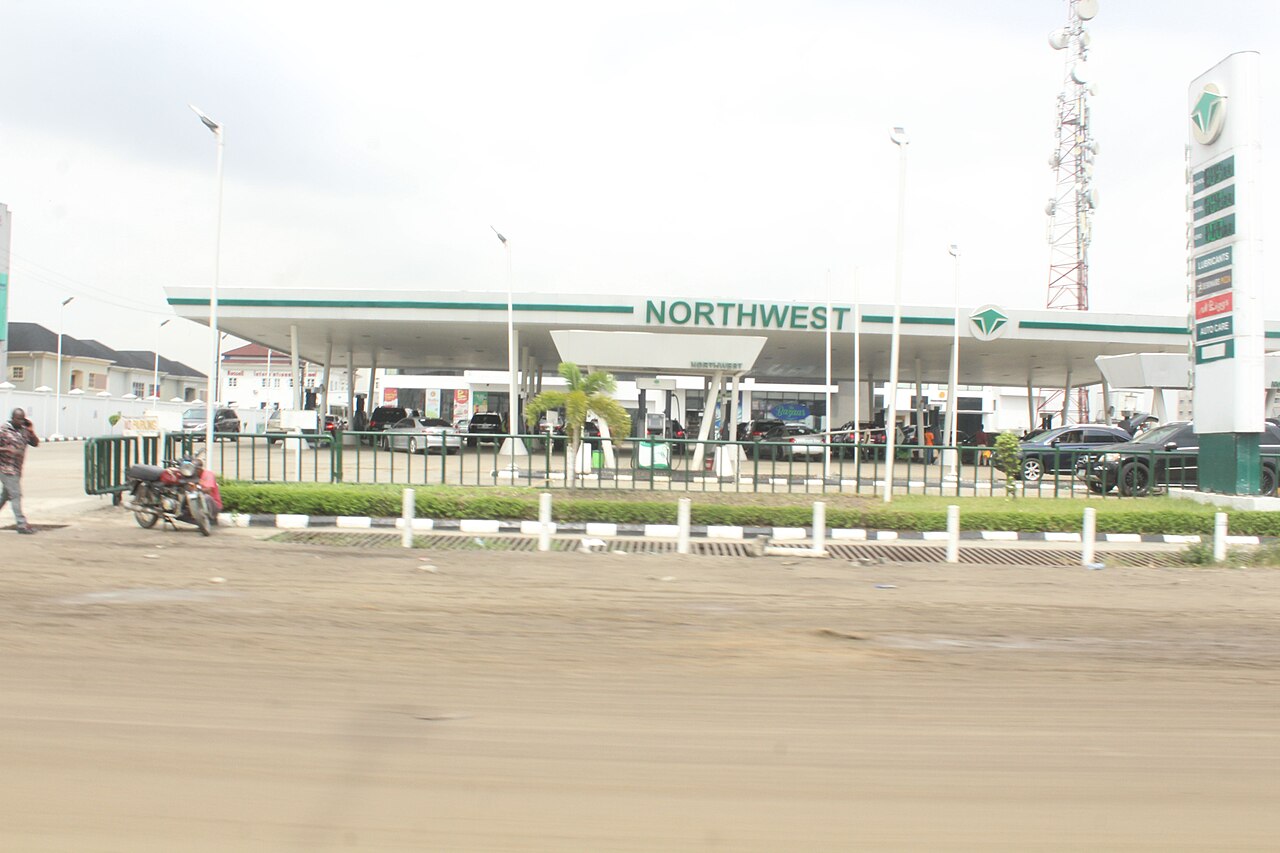
Petrol sold for 1,380 naira (about US$1.04) to 1,400 naira (about US$1.05) a litre at Lagos stations in mid-October, Nairametrics found. Energy inflation rose to 10.85% in September from 4.69% in August, while overall inflation eased to 14.63%.
Why the Government Fears a Fuel Squeeze
The government announced a 30-day discount on petrol from the state oil company NNPC on 8 October, Nairametrics said. Officials have said a return to the old fuel subsidy is off the table, as the Rio Times covered in its fuel subsidy report.
Dearer crude lifts the cost of imported fuel and of the dollars needed to pay for it. That squeeze is why a price rally can help the budget and hurt households at once.
What Prediction Markets Say
On Polymarket, bettors gave 81.0% to US crude touching US$105 in October and 35.5% to US$110, as of 24 October, 12:54 p.m. ET. A bet on US$115 stood at 9.9%, and the market has drawn about US$4.2 million in total volume.
Why we show this: prediction markets turn real-money bets into a live probability that moves within minutes of the news, which is why investors, campaigns and newsrooms in the United States now follow them closely. We show them next to polls and official results, never instead of them.
What It Means for US Readers
Nigerian oil at these levels feeds into US gasoline and diesel prices, and Nigeria’s grades compete with US shale for refiners in Europe and Asia. Investors in Nigerian bonds gain from higher oil earnings, but a falling naira cuts dollar returns on local-currency assets.
Travellers to Lagos find that a dollar buys more naira, while fuel and transport costs there are rising. Companies with Nigerian suppliers should expect higher freight and energy bills.
What Is Not Known
It is open whether the Hormuz attacks will continue, and whether any US strike on Iran will come on 24 or 25 October. No one can say if Brent will hold above US$110 into November.
The exact naira value of oil receipts this quarter has not been published, and the price of Bonny Light on Monday is unknown. It is also unclear how much of the price rise reaches state accounts after crude is diverted to home refineries.
More: Nigeria news in English, every day from The Rio Times.
Frequently Asked Questions
What is Bonny Light crude?
Bonny Light is a light, low-sulphur oil grade from the Niger Delta that is exported from Nigeria’s southern coast. Refiners favour it because it yields a lot of petrol and diesel.
How much did Bonny Light cost on 24 October 2026?
Nairametrics reported that Nigerian oil in the Bonny Light grade last traded near US$115 a barrel. Dated Brent was above US$110 to US$114 at the same time, so Nigerian oil sat at a premium.
Why are Hormuz attacks pushing Nigerian oil higher?
The Strait of Hormuz carries much of the Persian Gulf’s crude exports, so attacks on ships raise the risk of lost supply. Buyers then pay more for alternative Nigerian oil such as Bonny Light.
Does a higher oil price help the Nigerian naira?
It can help in time, because Nigeria earns more dollars from exports. On Thursday 22 October, however, the naira fell 2.1% in a day to 1,365 per US$1.
What does the oil price mean for US consumers?
Higher Nigerian oil and world crude tend to lift US gasoline and diesel prices within weeks. US pump prices also depend on refining costs, taxes and local supply.
Sources: Nairametrics, Nigerian Bonny Light hits US$115 a barrel as Strait of Hormuz attacks surge, 24 October 2026; Nairametrics, Oil surges above US$111 as Iran claims attacks on seven vessels, 22 October 2026; Nairametrics, Brent hits US$110 as global oil fears threaten Nigeria’s petrol price relief, 16 October 2026; ICIR, Nigeria’s 2026 budget threatened as oil price falls to US$60, 8 January 2026; Daily Times Nigeria, Bonny Light tops US$115 as Saudi pipeline shutdown stokes oil supply fears, 15 September 2026; RANE Worldview, Nigeria: Parliament Approves 2026 Budget With Higher Oil Price Benchmark, 1 April 2026.
This article was produced by The Rio Times’ automated newsroom system. How we use AI · Report an error · Editorial responsibility: Matthias Camenzind, Editor-in-Chief