
NIGERIA · SECURITY
Key Facts
- —The country Nigeria is Africa’s most populous country, with 36 states and one federal police force run from the capital Abuja.
- —What happened On Friday 23 October 2026 a Presidency panel said 24 of 36 state assemblies approved the state police amendment.
- —The threshold A constitutional change needs two-thirds of the 36 state assemblies, which is 24, so the bill has reached the minimum.
- —Who announced it Femi Gbajabiamila, chief of staff to President Bola Tinubu, chairs the Presidential Working Group on the National Policing Bill that issued the statement.
- —The path so far The Senate passed it on 24 June and the House on 23 July 2026; the states received it on 16 September.
- —What it means for you Security risks for US firms and travellers do not change yet, because no state force exists and more laws are needed.
- —Still open The date of the president’s signature, the final National Policing Bill, the funding of state forces and the position of Lagos.
The Nigeria state police bill has cleared its biggest hurdle, with 24 of the country’s 36 state assemblies now backing it. The Presidency’s working group announced the tally on Friday 23 October 2026.
For US readers, the change could reshape security for companies, aid workers and travellers in Africa’s most populous country. Nigeria has one federal police force, and governors have long asked to run their own.
What the 24 State Assemblies Decided
On Friday 23 October a Presidency panel said 24 State Houses of Assembly approved the Constitution (Sixth Alteration) Bill, 2026. The panel, the Presidential Working Group on the National Policing Bill, is chaired by Femi Gbajabiamila, chief of staff to President Bola Tinubu.
Under section 9 of the 1999 Constitution, an amendment needs approval from two-thirds of the 36 state assemblies, which is 24. The statement says the Nigeria state police bill has now met that threshold, according to New Dawn Nigeria and Daily Trust.
Which States Said Yes
Daily Trust listed the 24 states as Adamawa, Delta, Edo, Kwara, Nasarawa, Ogun, Osun, Oyo, Plateau, Rivers, Taraba and Zamfara. It also named Enugu, Anambra, Imo, Ekiti, Kebbi, Akwa Ibom, Bayelsa, Benue, Cross River, Abia, Yobe and Kaduna.
By region that is six states in the South-South, four each in the South-West, South-East and North-Central, and three each in the North-East and North-West. Legit.ng’s Hausa edition lists 12 states not yet on it, among them Lagos, Kano, Borno, Kogi and Sokoto.
How the Bill Reached the States
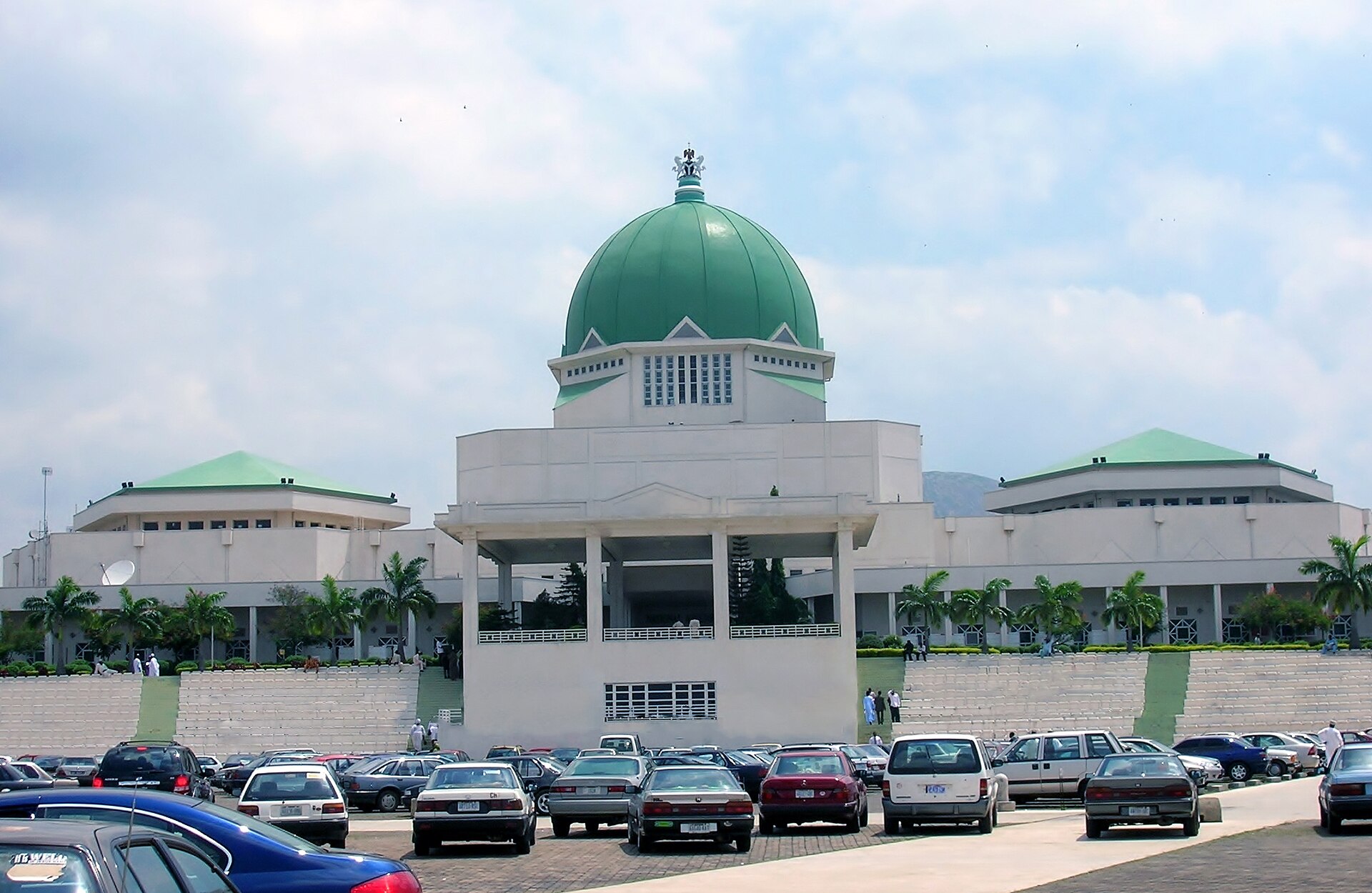
The Senate passed the amendment on Wednesday 24 June 2026, and the House of Representatives followed on Thursday 23 July. Together they form the National Assembly, Nigeria’s federal parliament in Abuja.
The Clerk of the National Assembly, Kamoru Ogunlana, sent the bill to all 36 state assemblies on Wednesday 16 September. He said the 30-day window for replies was an administrative expectation and not a constitutional deadline.
From Three States to 24
Rivers became the third state to back the plan on Monday 28 September, as the Rio Times reported. Legit.ng’s own tally on Thursday 15 October listed only five assemblies.
The working group’s count of 24 on Friday 23 October is far above that earlier Legit.ng tally. On 16 October the Rio Times reported that the national policing bill was 90% ready.
What Happens Next
The National Assembly is now expected to check the state resolutions and send the amendment to President Tinubu for his signature, Daily Trust reported. The working group’s statement gives no date for that step.
A separate National Policing Bill, which would set the detailed rules, is under legal review at the Federal Ministry of Justice. The group expects the Nigeria state police bill drafts back on or before Friday 30 October.
What the Plan Would Change
A Federal Police Service would keep exclusive control of national security, terrorism, cybercrime, inter-state crime, arms trafficking and international crime networks, Daily Trust reported. State police could not work outside their own state unless an Act of the National Assembly allows it.
The president could take temporary command of a state force under set conditions, with written authorisation and notice within 48 hours. Police chiefs would have protected tenure and could be removed only for stated cause after a fair hearing.
Why Supporters and Critics Disagree
Supporters of the Nigeria state police bill point to kidnapping, banditry, terrorism and communal violence as the threats a local force should tackle. Daily Trust reported that the reform is meant to bring policing closer to communities.
Critics of the Nigeria state police bill fear governors could use state forces to intimidate political opponents and critics. Daily Trust also listed funding, recruitment and operational independence as open questions.
What It Means for US Readers
American companies, insurers and travellers in Nigeria face the same security risks for now, because the Nigeria state police bill creates no force yet. Daily Trust stressed that the step is not an immediate transfer of policing powers.
Any US security cooperation with Nigeria, including training and intelligence sharing, could one day involve 36 state forces as well as Abuja. Investors in oil, banking and telecoms should watch which governors build forces first and how the president’s emergency command is used.
What Is Not Known
The draft National Policing Bill has not been published, and the working group expects it back from legal review by Friday 30 October. No date has been given for the president’s signature or for the first state force to begin work.
Lagos, Nigeria’s biggest city and commercial hub, was not on the list, and its assembly was on recess, the Hausa edition of Legit.ng reported. The Lagos assembly is expected back in the week of 26 October to discuss the bill, the outlet said.
More: Nigeria news in English, every day from The Rio Times.
Frequently Asked Questions
How many states have backed the Nigeria state police bill?
Twenty-four of 36 state assemblies have approved it, the Presidential Working Group on the National Policing Bill said on Friday 23 October. That equals the two-thirds the constitution requires.
Does the Nigeria state police bill become law now?
Not yet. The National Assembly must check the state resolutions and send the amendment to President Bola Tinubu for his signature.
Does Nigeria have state police today?
No, Nigeria has one federal force, the Nigeria Police Force, run from Abuja. The amendment would let states set up their own services alongside it.
Which states have not yet approved the plan?
The Hausa edition of Legit.ng lists 12 states not yet on the list, including Lagos, Kano, Borno, Kogi and Sokoto. The 24-state threshold has been met, so their votes are no longer needed to pass the amendment.
What would stay with the federal police?
A Federal Police Service would keep national security, terrorism, cybercrime, inter-state crime and arms trafficking, Daily Trust reported. State forces could not work outside their own state without an Act of the National Assembly.
When could the first state police force start work?
No date has been set. The National Policing Bill, state laws and readiness checks must come first, Daily Trust reported.
Sources: Daily Trust, State police bill gets assemblies’ clearance, 24 October 2026; New Dawn Nigeria, State police bill fulfils constitutional threshold, 23 October 2026; Legit.ng Hausa, Jihohi 24 da aka amince a kafa ‘yan sandan jiha, 24 October 2026; Legit.ng, 5 state assemblies that have approved state police so far, 15 October 2026.
This article was produced by The Rio Times’ automated newsroom system. How we use AI · Report an error · Editorial responsibility: Matthias Camenzind, Editor-in-Chief