
NIGERIA · POLICING
Key Facts
- —The country Nigeria is Africa’s most populous country and a major oil producer, with one national police force run from Abuja.
- —What happened On Thursday 15 October the Presidency said the national policing bill is 90% ready and should go to parliament within about two weeks.
- —Who said it Femi Gbajabiamila, chief of staff to President Bola Tinubu, chairs the Presidential Working Group that is drafting the bill.
- —Why it matters The bill would set the rules for state police forces, which governors want because kidnapping, banditry and terrorism keep spreading.
- —The hurdle A separate constitutional change that allows state police still needs approval from at least 24 of Nigeria’s 36 state assemblies.
- —What it means for you Security rules shape the cost of doing business, insuring staff and travelling in Nigeria, where risks such as kidnapping and banditry differ widely by region.
- —Still open The text of the bill is not public, and the governors’ remaining objections have not been described.
The Nigeria policing bill is 90% ready and should reach the National Assembly, the country’s parliament, within one to two weeks, the Presidency says. Chief of Staff Femi Gbajabiamila, President Bola Tinubu’s top aide, spoke after a meeting at the State House in Abuja on Thursday 15 October.
For US readers, the Nigeria policing bill matters because it would decide how Africa’s most populous country shares policing between Abuja and its 36 states. Kidnapping, banditry and terrorism are among the biggest risks for American companies, investors, aid workers and travellers in Nigeria.
What the Presidency Said on Thursday
The State House, the President’s office in Abuja, published Gbajabiamila’s remarks under the headline “National Policing Bill 90 Percent Ready”. He said the bill is “more or less ready” and that “we are 90% ready”, with governors holding “one or two observations”.
Premium Times reported that Gbajabiamila expects the draft to be ready in about a week, after one more meeting of the working group. Nairametrics reported that the target for sending the Nigeria policing bill to parliament is two weeks.
Who Sat at the Table
Kwara State Governor AbdulRahman AbdulRazaq, who chairs the Nigeria Governors’ Forum, attended with Dapo Abiodun of Ogun State and Uba Sani of Kaduna State. Inspector General of Police Tunji Disu, the head of the national police force, also attended.
Representatives of the Attorney General, the National Security Adviser and the Nigerian Bar Association took part as well. Gbajabiamila called it the most consequential bill of the Tinubu administration so far.
Why Nigeria Debates State Police
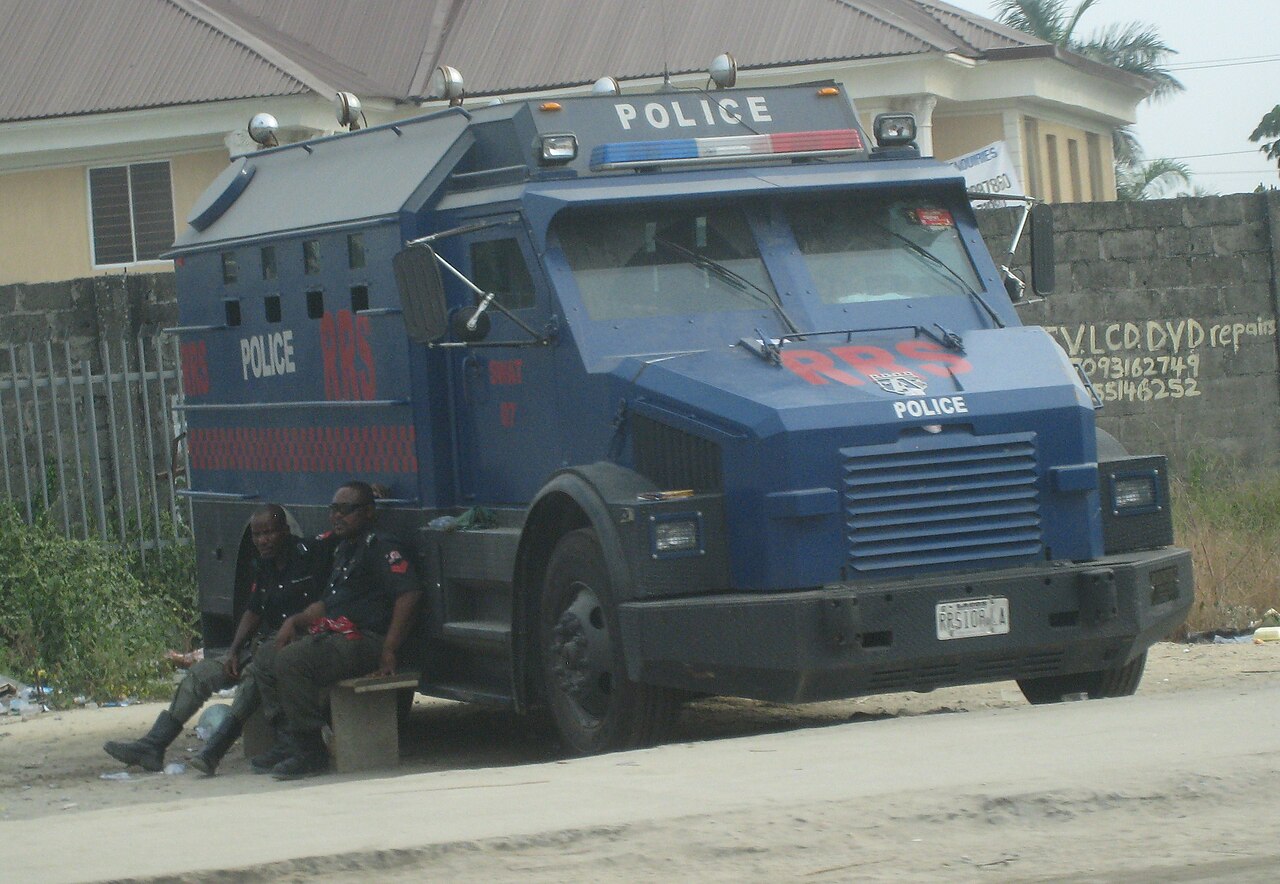
Nigeria has one national force, the Nigeria Police Force, which answers to Abuja, while governors have no police of their own. In the United States, by comparison, cities and states run their own police and the FBI handles federal crimes.
Supporters say a force close to the community would respond faster to kidnapping, banditry and communal violence. Premium Times reported that some lawmakers and former police chiefs fear that governors could misuse their own forces against political rivals.
How the Constitution Change Reached This Point
Policing sits on the Exclusive Legislative List, which only the federal government can legislate on, so state police need a change to the 1999 Constitution. Channels TV reported that the Senate passed the State Police alteration bill on Wednesday 24 June, with 84 of 109 senators in favour.
On Thursday 23 July the House voted 311 in favour of Tinubu’s version, and the Minority Caucus walked out over procedure. Earlier, on Tuesday 7 July, Tinubu had inaugurated the Presidential Working Group to draft the practical rules.
The Ratification Test in the States
A constitutional change in Nigeria also needs approval from at least 24 of the 36 State Houses of Assembly, the state legislatures. The State House said only about six states had passed it, and Premium Times named Edo, Osun, Oyo, Rivers and Zamfara among them.
Gbajabiamila dismissed talk of pushback from states and said there is a national consensus on the need for state police. He added that he sees no reason anyone would want to rethink the bill.
What the Bill Is Meant to Cover
BusinessDay reported in August that the Nigeria policing bill package would set national minimum standards and a readiness check before any state starts a force. It would also cover cooperation between federal and state police, complaints bodies, human rights and custody safeguards, firearms control and funding.
The working group’s chairman said political office holders must not direct arrests of opponents or suppress lawful political activity. Channels TV reported that under the Senate’s version, a state force may not start work until the National Assembly certifies that it meets national standards.
What It Means for US Readers
A workable state police system could improve security for oil, gas, mining and farming firms, and for insurers and employers covering staff in Nigeria. A badly designed one could add rival forces and political abuse, which would raise risk instead of lowering it.
Readers can find more background in the Rio Times guide to Nigeria’s security and crime. Travellers should expect no change on the ground soon, because no state force can start before the law passes.
What Is Not Known
The full text has not been published, and the Presidency has not said what the remaining 10% covers or what the governors want changed. It is also unclear whether parliament will pass the bill before the state assemblies finish voting on the constitutional change.
No date has been given for the first state police units. Nigeria’s general election is due in 2027, and the Presidency has not said whether the timetable is linked to it.
More: Nigeria news in English, every day from The Rio Times.
Frequently Asked Questions
What is Nigeria’s national policing bill?
The Nigeria policing bill is a draft law that would set the rules for state police forces next to the federal police. The Presidency says it is 90% ready.
When will the bill reach parliament?
Gbajabiamila said the draft should be ready in about a week. The Presidency’s target for sending the Nigeria policing bill to parliament is two weeks.
Does Nigeria have state police now?
No, Nigeria has one national force, the Nigeria Police Force, controlled from Abuja. State police need a constitutional change that 24 of 36 state assemblies must approve.
Who leads the effort?
Femi Gbajabiamila, the President’s chief of staff, chairs the Presidential Working Group. Tinubu inaugurated the group on Tuesday 7 July.
Why do critics worry about state police?
Some lawmakers and former police chiefs fear that governors could use their own forces against political opponents. The draft bill includes safeguards meant to stop that.
Sources: State House, National Policing Bill 90 Percent Ready for Transmission to National Assembly, 15 October 2026; Premium Times, National policing bill to reach National Assembly in a week, 16 October 2026; Nairametrics, FG says Policing Bill 90% ready, 16 October 2026; BusinessDay, State Police Bill: FG unveils timelines, 4 August 2026; Channels TV, Senate defends state police bill, 28 June 2026; allAfrica, 311 Reps Pass State Police Bill, 24 July 2026.
This article was produced by The Rio Times’ automated newsroom system. How we use AI · Report an error · Editorial responsibility: Matthias Camenzind, Editor-in-Chief