Israeli Prime Minister Benjamin Netanyahu has strongly opposed the two-state solution, asserting Israel’s victory over Hamas.
This stance, clashing with the U.S. and Arab nations’ peace proposals, dims the prospects of short-term peace.
Netanyahu’s stand reflects not only international politics but also internal Israeli dynamics.
His reliance on right-wing allies amid declining popularity has sparked calls for early elections from figures like former Prime Minister Ehud Barak.
Internationally, Israel’s internal political strife impacts global trade, disrupting Red Sea shipping routes and potentially hiking global food prices.
Despite restrictions on Palestinian labor, India’s workforce is filling the gap, and the oil market remains stable due to sufficient safeguards.
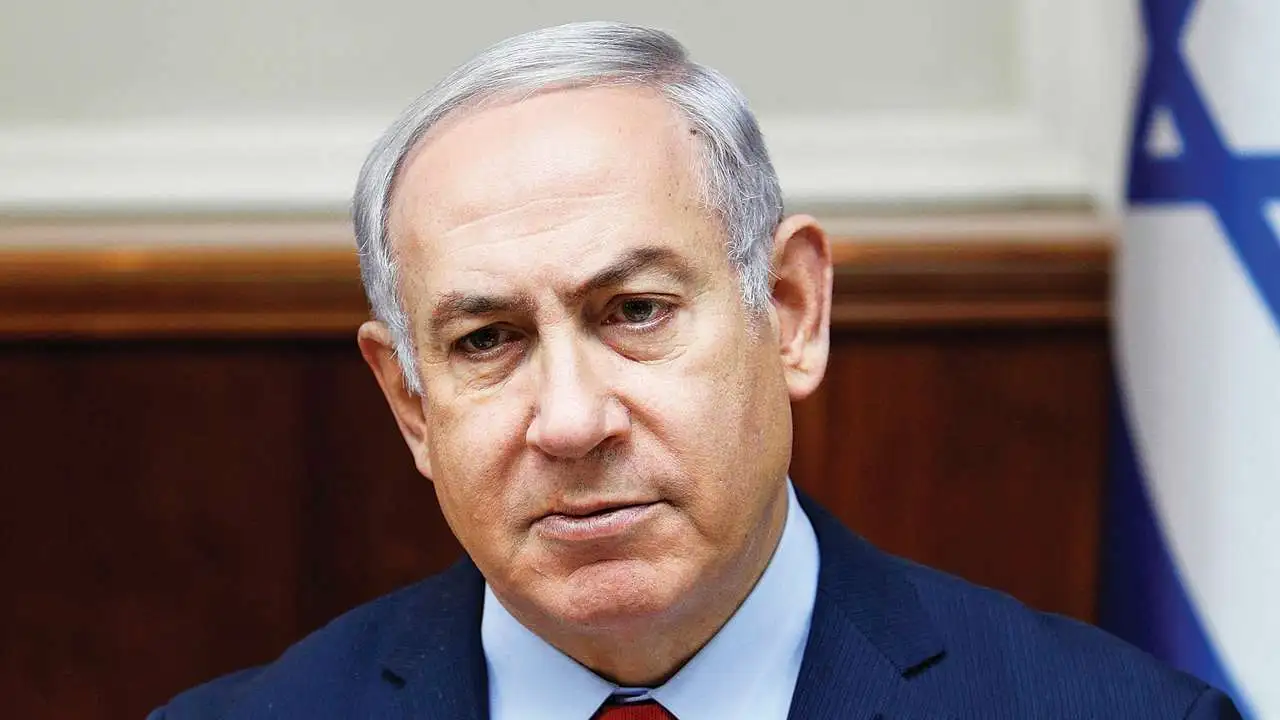
The Israel-Hamas conflict is complex, involving significant global statements.
Netanyahu’s refusal to endorse a Palestinian state, prioritizing Israel’s security and territorial control, opposes the U.S.’s advocacy for a two-state solution and no reoccupation of Gaza, viewing Palestinian statehood as vital for long-term peace.
The Gaza conflict has caused casualties, escalated tensions with Hezbollah and the Houthi rebels, and impacted regional stability and trade.
Diplomatic efforts by the U.S. and China are crucial. The U.S. blocks UN ceasefire proposals, urging Israel to minimize military actions in Gaza.
China emphasizes protecting Red Sea civilian shipping for global commerce and energy.
The Israel-Hamas conflict requires global attention and diplomatic engagement due to its international politics, regional security, and humanitarian concerns.
This article was produced by The Rio Times’ automated newsroom system. How we use AI · Report an error
Read More from The Rio Times