Navigating the News in a Safe Digital Environment: What to Know About Cyber Threats
(Sponsored) Today, the means of accessing news range from websites to streaming and social media. These channels allow real-time access to the latest, trending, and breaking news by connecting online and clicking the platforms.
This level of convenience has not been experienced before, but with it comes many cybersecurity challenges.
The internet today is popular with fake news, hacking, scams, and virus infections. Malicious people implement these strategies to compromise private data, manipulate public views, and cause financial losses.
You should understand the digital news environment and its cyber safety concerns. They help you prevent falling victim and protect data.
Digital environment news consumption and its online risks
Current data shows that 86% of people read or watch news online. Unfortunately, hackers view this as a ripe opportunity to scam people and spread fake news.
Reports show that losses from news scams increased by 14% in 2023 and totaled $10 billion. Watching or reading news online is good but it is accompanied by many digital safety and security risks.

You require a proactive approach to protect your devices from online threats. Due to this, you should know how to use a trusted antimalware tool.
Bad characters may want to hack your Mac or iPhone and reconfigure it to their advantage. Know how to clear cookies on your device because they are used by various parties to track your browsing history.
Although not directly, they can still be a threat so clearing them keeps your device safe. A good third-party tool helps you remain safe from all potential threats and gives you the much-needed mental peace that every smartphone user should ideally have.
Common digital safety and security risks on news channels
There have been an increasing number of data breaches, according to cyber security campaign reports. News websites have reported an increase in data breaches lately, which mainly target the theft of payment data and emails.
- Fake news. An IPSOS report shows that 86% of people globally have consumed fake news. Social media leads to sharing misleading news which causes fear and tailored public opinion. This is more prevalent in politics, especially during elections.
- Malware attacks. AVG reports that phishing and malware attacks account for nearly 90% of all reported cases. 2024 and early 2025 reported the highest number of daily attacks totaling 190,000.
- Social media exploits. Social media exploits happen when hackers capture accounts and use them to spread fake news. They publish propaganda and inject malicious links to harm people and control their views.
- Scams. Scams targeting news channels happen when hackers trick people into submitting payments. They often trick users into providing financial data and sometimes install infected apps.
Why is online safety important?
Online risks and cyber safety concerns increase daily as news channels increase. Fake news is often designed to look real, making digital safety and security a priority to everyone.
Several reasons make online safety important. Your private data is critical and if someone steals it or accesses your account, they can use it wrongly.
Protecting yourself prevents online attacks by account breakers or virus injection. Your online security leads to the safety of your money, email, telephone, and social media accounts.
Hackers cannot use them to implement unauthorized shopping or damage your reputation. You protect yourself from fake news including your children from online bullies and predators.
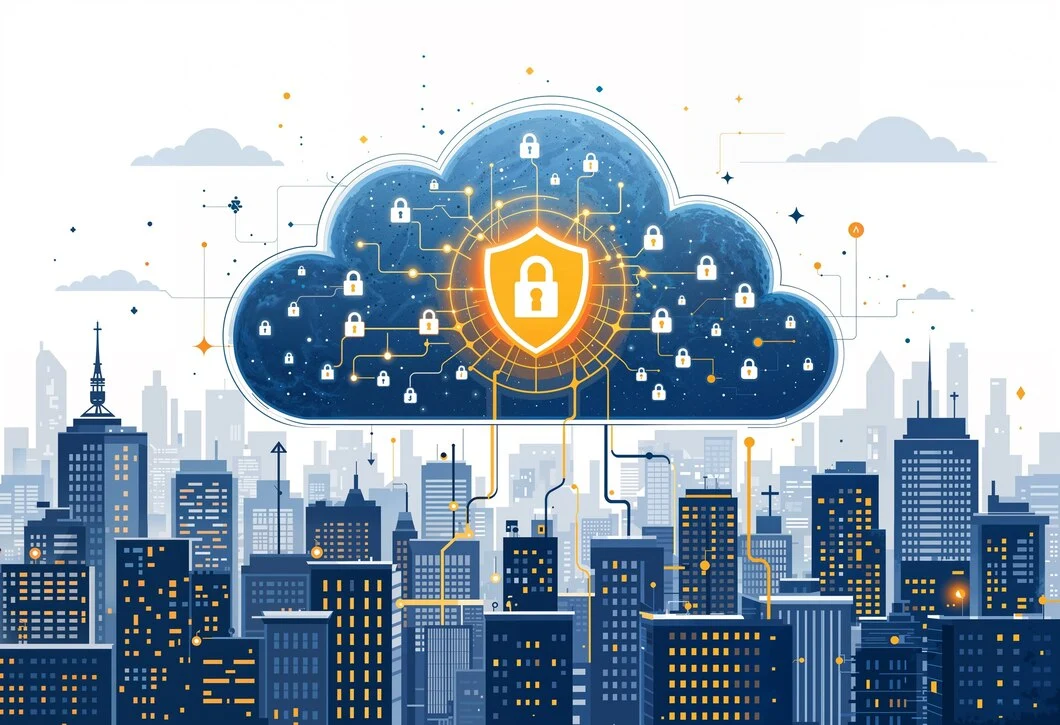
Protecting yourself against cyber safety concerns
Confirm news before believing
Hackers, scammers, and other malicious people post fake news daily hoping to trick someone. Make it your responsibility to test information and determine if it is genuine.
Confirm if the information has been reported by other news channels. Check if the company is credible and check the facts.
Know how to identify fake news
Fake news is everywhere and many of them could be believable. Understand how to identify the genuine from the fake.
Most fake news elicits strong emotions that create excitement or fear. Confirm with other users to know whether the information is genuine.
Secure devices
Hackers often inject malicious links into devices through news channels. Protect your computers and phones by updating the operating system.
Use the latest browsers and install security applications. Clean your devices from unwanted files, cache, and downloaded images.
Secure your password
Create secure passwords for your social media, websites, news channels, and other accounts. Use multifactor authentication and keep off suspicious news channels. Avoid connecting to public Wi-Fi or use a VPN if you must connect to one.
Understand the influence of AI
AI is often used to generate and spread fake news, tweaking them to look genuine. It also helps identify threats such as viruses and fake news.
AI helps filter news through big data algorithms ensuring people consume real information. However, hackers and scammers get wiser and use advanced tools to stay ahead. Regulations are helping create stricter rules to protect news consumers.
Conclusion
Cybersecurity awareness is important in controlling news consumption and sharing. Hackers often add scam and malware links to trick people and steal their data.
Users should differentiate between fake and real news and protect their devices from cybersecurity threats. Secure your accounts with strong passwords and confirm news before believing.
More: Brazil news in English, every day from The Rio Times.
This article was produced by The Rio Times’ automated newsroom system. How we use AI · Report an error
In depth
LatAm Markets: Live Signals → — real-time movers, turnover leaders and FX across Latin America.
Read More from The Rio Times