Mozambique Grants Landlocked Malawi Operational Rights to Nacala Port
Mozambique’s recent decision to share control of the Port of Nacala with Malawi is a strategic move to enhance trade and economic ties within Southern Africa.
This collaboration is part of a larger push to improve infrastructure and streamline trade across the region. It specifically targets enhancements through the Nacala Corridor.
The Port of Nacala is crucial for landlocked nations like Malawi and Zambia, providing them access to the Indian Ocean and global markets.
The port has been upgraded to handle more cargo. This improvement is part of a broader initiative aimed at making regional trade routes more competitive.
By signing agreements with Malawi, Mozambique aims to foster economic growth and reduce transportation costs.
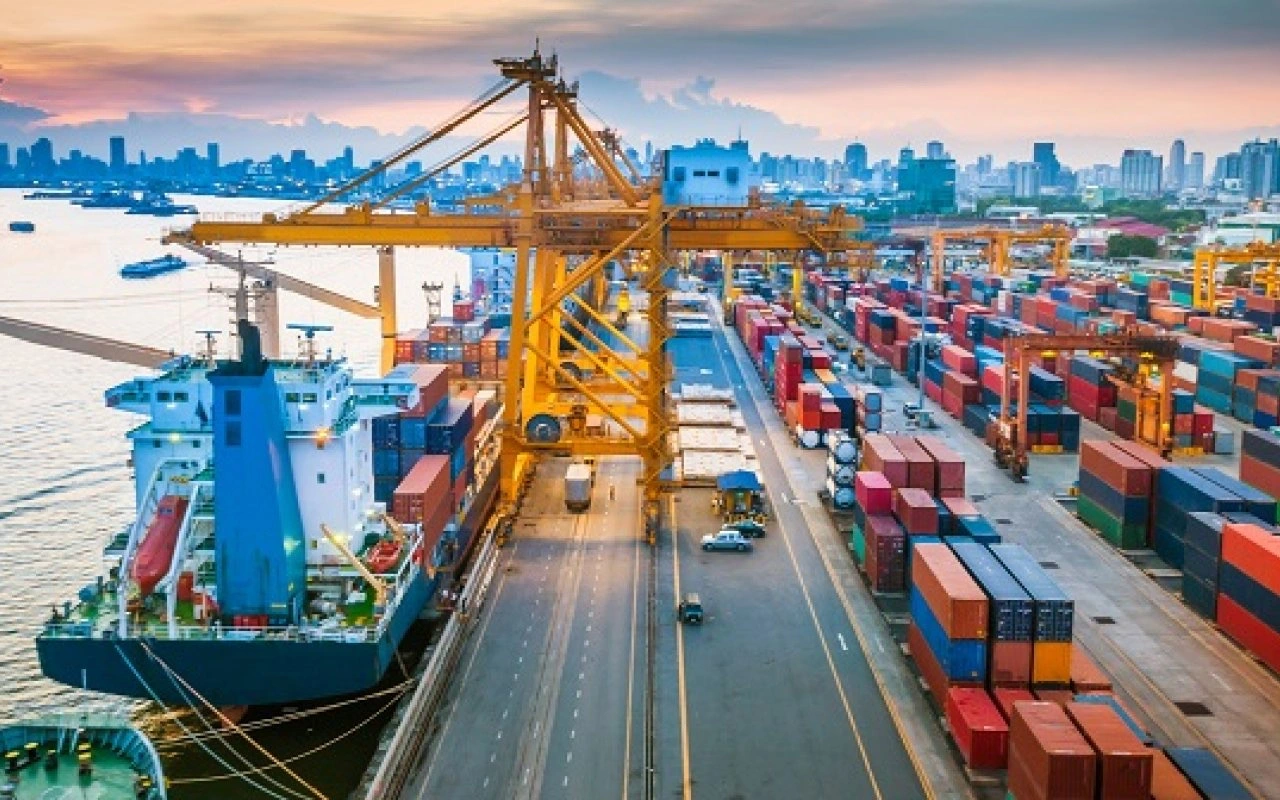
A dedicated terminal at the Port of Nacala for Malawian trade will streamline operations, cut transport costs, and boost Malawi’s trade potential.
The Nacala Corridor, with its rail and road links, is essential for transporting key commodities and fueling regional economies.
The Port of Nacala’s Development
The Port of Nacala’s development, supported by international investment like funding from Japan, is crucial for its success.
This development enhances economic opportunities within the Southern African Development Community. It achieves this by improving access to global markets and reducing transportation costs.
This alliance is about more than just shared infrastructure. It represents a commitment to regional cooperation that promises to lower trade barriers and transportation costs, thereby boosting economic efficiency.
It also includes broader infrastructure projects, such as regional energy initiatives. These are critical for sustaining economic growth and reducing power shortages.
In essence, Mozambique‘s initiative to integrate Malawi into the operations of the Port of Nacala is about building a more connected and economically robust Southern Africa.
This partnership not only facilitates the easier movement of goods but also solidifies a framework for ongoing economic collaboration. It supports regional development as well.
This article was produced by The Rio Times’ automated newsroom system. How we use AI · Report an error
Part of our ongoing coverage
Africa: The New Scramble — the great-power contest over the continent.
Read More from The Rio Times