Moyale Displacement Estimates Differ Sharply
The figures differ because each organisation counts different people, over different areas and on different dates, so they cannot be added together.

Conflict: Ethiopia
Estimates of how many people the fighting around Moyale, a town where Ethiopia’s Oromia and Somali regional states meet at the Kenyan border, has displaced run from tens of thousands to almost 700,000, depending on who counts and what. The violence began in October 2026, and no final independent count exists.
Key Facts
- Range. Estimates differ by a factor of more than ten, depending on who counts.
- Highest. Islamic Relief Ethiopia, a British charity’s local arm, gives the highest estimate; unconfirmed.
- Lower. Kenya Red Cross, a national aid society, counts over 50,000 who crossed into Kenya.
- Gap. No final, independently established count has been published.
- As of. 21 November 2026, 10:30 GMT.
The figures differ because each organisation counts different people, over different areas and on different dates, so they cannot be added together.
Tensions in the disputed border area around Moyale, where the Oromia and Somali regions meet, escalated around 18 October 2026 over the flag of the Somali region. Our explainer covers the background, and our earlier report covers the first weeks.
Islamic Relief Ethiopia, the local arm of a British aid charity, said on 19 November 2026 that almost 700,000 people are displaced, with 329,000 in the Dawa Zone, an administrative area of the Somali region, and 359,798 in southern Oromia. We have not independently confirmed this figure, and we found no second source for it.
A Kenyan government-led assessment of 29–30 October 2026, covering 758 households, put displacement into Kenya at 35,950 as of 24 October. Malik Adan, the Kenya Red Cross regional head, said, as reported on 9 November, that the number had passed 50,000, including people with host families and in temporary sites.
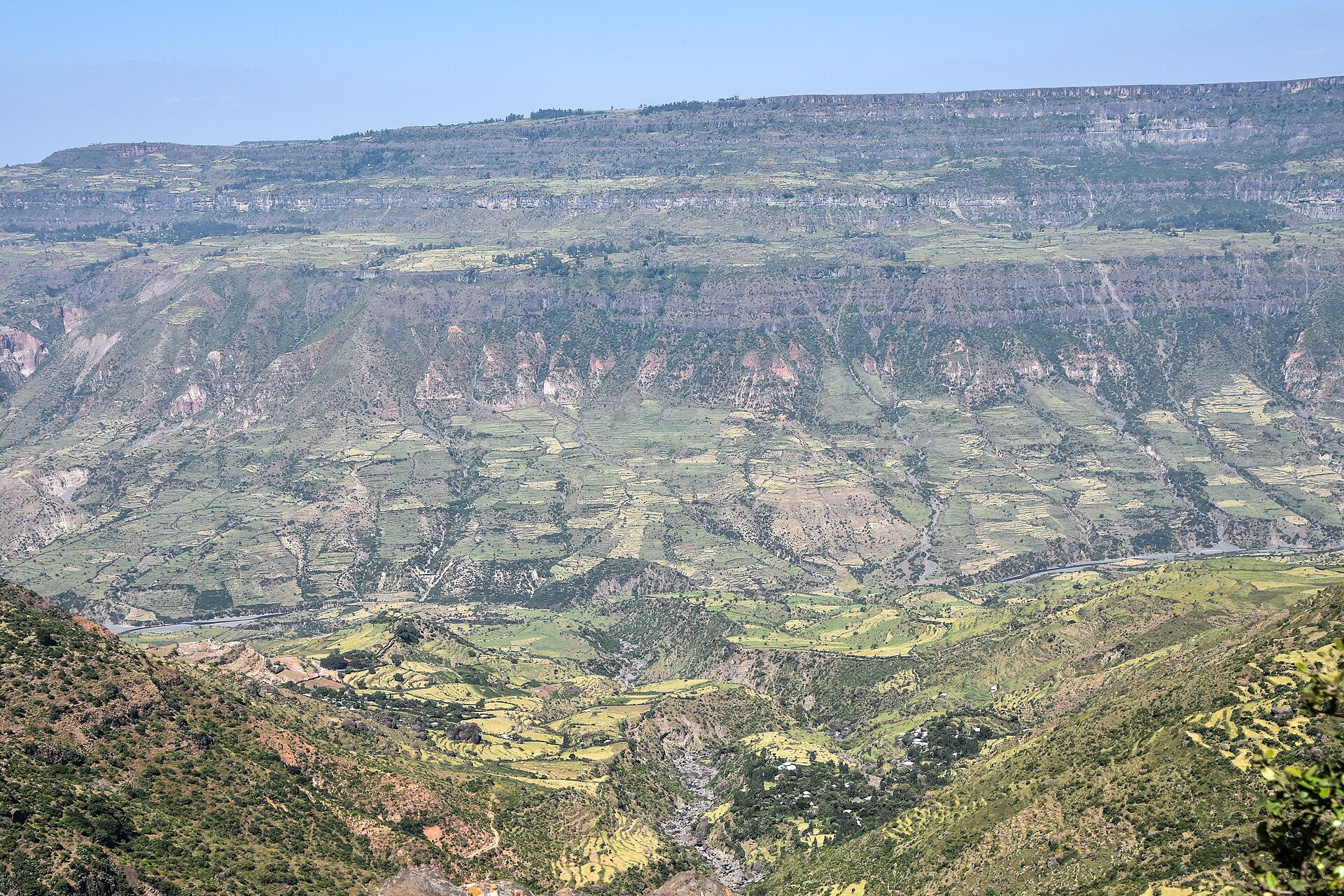
On 6 November 2026 Tom Fletcher, the UN emergency relief coordinator, announced US$3 million from the UN Central Emergency Response Fund, a pooled humanitarian fund, for people who fled into Kenya. Ethiopia’s federal government, led by Prime Minister Abiy Ahmed, has not commented publicly on the displacement, as far as we could find.
Frequently Asked Questions
Why do the displacement figures differ so much?
They come from different organisations using different methods and dates. Some count only people who crossed into Kenya, others count everyone displaced.
Is the Islamic Relief figure confirmed?
No. It is the charity’s own figure, and we have not independently confirmed it.
Sources: Islamic Relief Ethiopia (release of 19 November 2026); Kenyan government-led assessment (29–30 October 2026); Kenya Red Cross (9 November 2026); UN Central Emergency Response Fund (6 November 2026).
This article was produced by The Rio Times’ automated AI newsroom. Editorial responsibility: Matthias Camenzind, Publisher and Editor-in-Chief. The Rio Times also runs Ask Rio Times, which answers from 100,000+ of our own articles, the daily Latin America Power Map, and prediction-market odds on elections and markets.. How we use AI · Report an error
Horn of Africa and the Red Sea
- Horn of Africa 2026: Why It Matters and Who Backs Whom
- Ethiopia’s Neighbors Explained, Ports, Eritrea, Somalia
- Eritrea Explained 2026, a Red Sea Country Guide
- Somalia Explained: Al-Shabaab, Somaliland, the Ports and the Fight Over a 2026 Vote