Paraguay Bank Chief Says Alerts Were Ignored
The new head of Paraguay’s central bank places the blame above the supervisors who watched Ueno, a claim that auditors and prosecutors must now test.
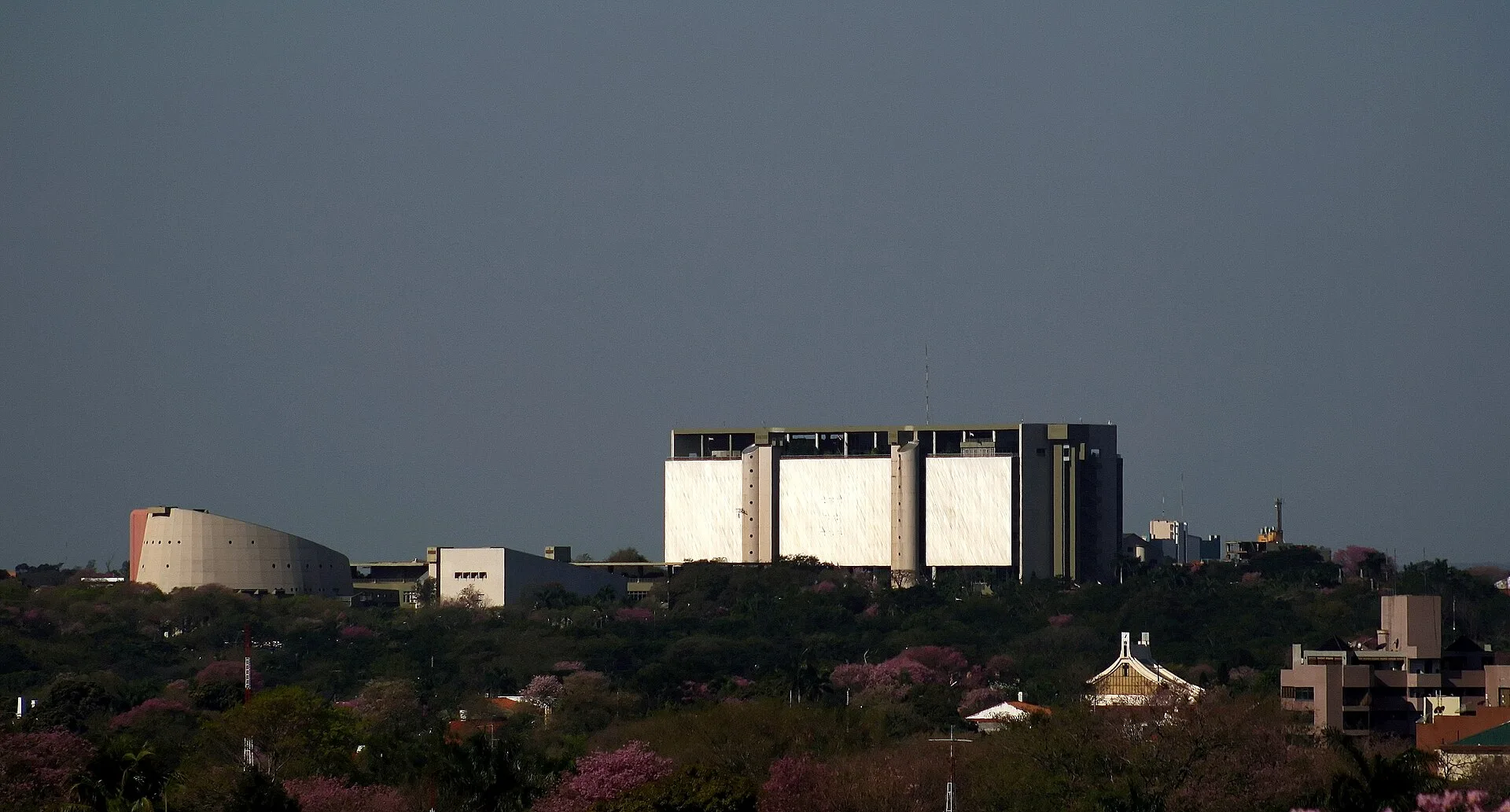
PARAGUAY · BANKING
Paraguay’s new central bank president says people did warn about Ueno Bank before it collapsed, and that the failure happened above the bank supervisors. “It was not a failure to detect the problem,” Jorge Schreiner said in an interview in Asunción, Paraguay’s capital, on Thursday 19 November 2026, adding that “the failure occurred above the Superintendency of Banks”, the central bank’s supervision arm.
Ueno Bank, a Paraguayan digital lender, was placed in central bank resolution, a forced wind-down, announced on Tuesday 3 November 2026 after its solvency, its capital cushion against losses, fell below the required level. For readers abroad, Schreiner’s remarks matter because he expects a mission from the International Monetary Fund to review the central bank’s own governance.
Key Facts
- Who. Jorge Schreiner, Paraguay’s new central bank president, speaking about the failed Ueno Bank.
- What. He says people warned in time and the failure came above the bank supervisors.
- Next. He asked the state audit office to review the supervisor; an International Monetary Fund mission is expected.
- When. Interview on Thursday 19 November 2026; Ueno’s resolution was announced on 3 November.
- As of. 21 November 2026, 11:00 GMT.
The new head of Paraguay’s central bank places the blame above the supervisors who watched Ueno, a claim that auditors and prosecutors must now test.
Central bank supervisors had been flagging Ueno for months, according to central bank documents cited in the Paraguayan press. On 27 October 2025 they rejected the bank’s request to remove one company from its list of related parties, and a supervision report of 5 August 2026 found prohibited indirect financing.
Fernando Rivarola, previously the central bank’s supervision manager, wrote a memo dated 10 July 2026 that warned of possible indirect financing in the bank’s sale of a bad-loan portfolio to a related company. The central bank has said the memo reached it by email, not through its official document channels.
The Senate approved Schreiner as president on 9 November by 31 votes to one, with one abstention. It approved Rivarola, who had warned about Ueno, for the central bank’s board by 33 votes to none.
Lending to firms tied to the bank’s owners was the core concern. Central bank supervision documents cited in the Paraguayan press put such loans at about US$146 million, equal to 35% of Ueno’s effective capital, its loss-absorbing funds, in April 2026, against a legal limit of 20%.
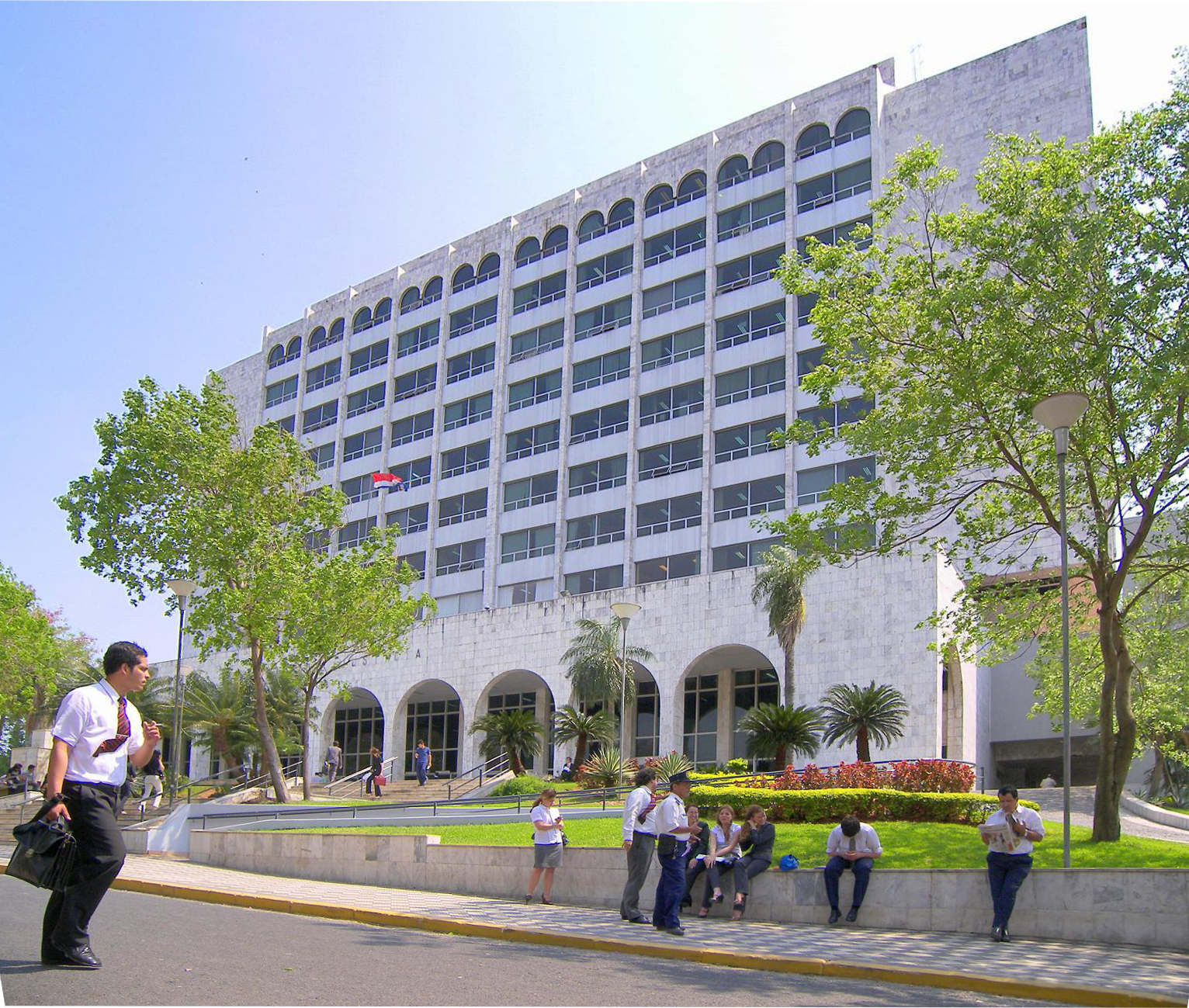
Schreiner’s account rules out a simple failure of detection at the supervisors’ desks. It points instead to decisions taken above them, though in the remarks published he named no one.
In his first six working days at the central bank, Schreiner said, he saw that people had raised the alarm in time. He described what happened as a failure tied to “connections of power and friendships” that were used to profit from the situation.
He said the bank now needs people who can say no to politicians. His instruction was blunt: do not bring friends.
Schreiner asked the Comptroller General, the state audit body, to review how the Superintendency of Banks handled the Ueno case. He expects an IMF mission to assess the financial system first, then the governance of the central bank and the Superintendency, and its supervision model.
The central bank announced the resolution of Ueno on 3 November and sent a 199-page file to the Prosecutor General’s office that day. Carlos Carvallo, Schreiner’s predecessor, has since resigned.
Schreiner also said he believes in inflation targeting, but with monetary aggregates for Paraguay, and asked the IMF to compare the current framework with one that stresses them. The central bank’s official inflation target is 3.5% a year, with a band of two percentage points either way.
The timing of the IMF mission has not been confirmed in the published remarks. Our earlier reports covered the Senate vote on the new central bank chief, prosecutors entering the central bank and a jailed Ueno executive handing over files; more is on our Paraguay news page.
Frequently Asked Questions
Who is Jorge Schreiner?
He is the president of Paraguay’s central bank, approved by the Senate on 9 November after Carlos Carvallo resigned. Rivarola, the supervisor who wrote the 10 July memo, now sits on its board.
What happened to Ueno Bank?
The central bank put the digital lender into resolution on 3 November, after its solvency fell below the required level. Prosecutors received the central bank’s file the same day.
Does Schreiner blame named officials?
In the remarks published he did not name anyone. He pointed to connections of power and friendships above the Superintendency of Banks.
Sources
Source: interview with Central Bank of Paraguay president Jorge Schreiner, Asunción, 19 November 2026; Paraguayan Senate vote of 9 November 2026; Central Bank of Paraguay announcement of 3 November 2026 and supervision documents reported in the Paraguayan press · Banco Central del Paraguay
This article was produced by The Rio Times’ automated AI newsroom. Editorial responsibility: Matthias Camenzind, Publisher and Editor-in-Chief. The Rio Times also runs Ask Rio Times, which answers from 100,000+ of our own articles, the daily Latin America Power Map, and prediction-market odds on elections and markets.. How we use AI · Report an error