Mexico’s presidential candidates have concluded their campaigns, eagerly awaiting the June 2 election.
This pivotal election, the largest in Mexican history, will involve nearly 100 million voters.
These voters will choose from over 20,000 candidates for local, state, and federal positions.
Claudia Sheinbaum, leading the polls, could become Mexico’s first female president.
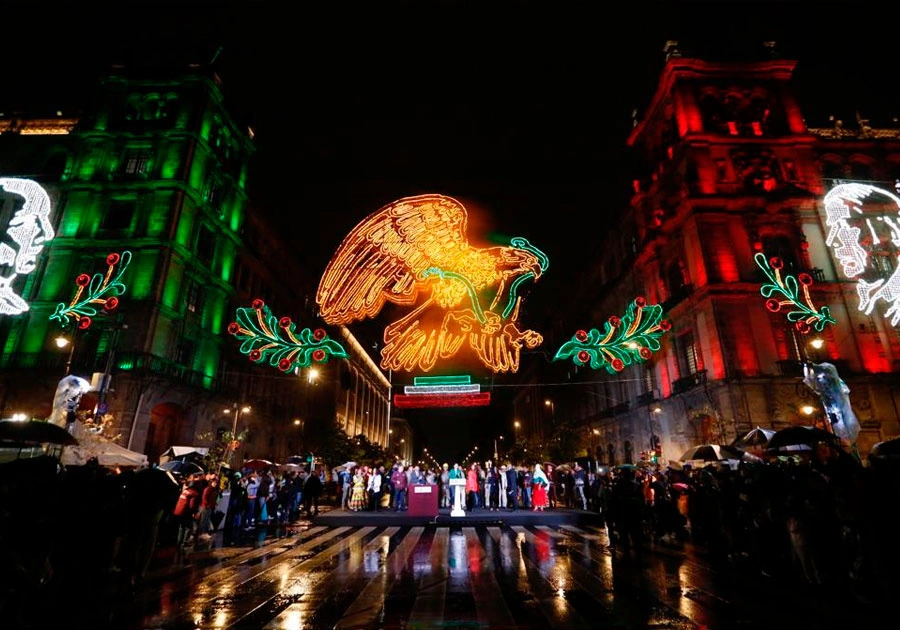
She ended her campaign with a large rally in Mexico City’s Zócalo, a significant site for the left.
Previously, Sheinbaum served as the mayor of Mexico City and has a background as a scientist.
She plans to uphold the legacy of the current President, Andrés Manuel López Obrador, who first appointed her in 2000.
Sheinbaum has lauded López Obrador for reducing poverty and curbing violence.
She has proposed tweaks to energy, security, and anti-corruption policies, striving for continuity over change .
Meanwhile, Xóchitl Gálvez from the opposition ended her campaign in Monterrey.
As a former senator and entrepreneur, she has vowed to broaden social programs and combat corruption and violence.
She has also critiqued the government’s effectiveness in securing peace.
Gálvez boldly stated, “Enough with the lies! Mexico is not as they portray; it craves peace and tranquility,” during her campaign .
The campaign period has been marred by violence, with 36 candidates killed, matching the previous midterm elections.
This situation underscores the dire security challenges in Mexico, where 560 candidates and officials now have government security .
Though trailing by 17 points, Gálvez has gathered considerable support through rallies and the “Marea Rosa” movement, advocating for democracy.
Both Gálvez and Sheinbaum have utilized social media effectively, showcasing the increasing importance of digital campaigning in Mexico .
Mexico’s Historic Election: The Countdown to Change
Jorge Álvarez Máynez, another candidate, has focused on younger voters and economic issues such as gentrification and nearshoring.
He wrapped up his campaign with a concert in Mexico City, positioning himself as an alternative to traditional politics .
As Mexico gears up for this historic vote, the election’s outcome could mark a significant change.
The next president will confront various challenges like high murder rates, widespread impunity, economic stagnation, and energy policy issues .
This election stands as a critical juncture for Mexico, heralding potential transformative changes ahead.
More: Mexico news in English, every day from The Rio Times.
This article was produced by The Rio Times’ automated newsroom system. How we use AI · Report an error
Read More from The Rio Times