IBOV 168,498.45 ▲ 1.39% IPC MEX 71,393.57 ▲ 0.43% MERVAL 2,848,945 — — USD/BRL5.50▼ 0.17% USD/MXN18.60▼ 0.84% USD/CLP 975.74 — 0.00% USD/COP3,240▲ 0.03% USD/PEN3.44▼ 0.15% USD/ARS 1,545 — 0.00% USD/UYU40.31▲ 3.48% USD/PYG6,358▲ 8.23% USD/BOB11.81▲ 0.40% USD/DOP60.56▲ 0.43% USD/CRC448.27▲ 1.89% USD/GTQ7.64▲ 3.24% USD/HNL26.88▲ 3.25% USD/NIO36.62▲ 2.69% USD/VES893.88▼ 0.13% USD/PAB1.00— 0.00% USD/BZD2.00— 0.00% USD/JMD157.99▲ 2.90% USD/TTD6.72▲ 2.39% EUR/BRL6.13▲ 0.07% BRENT 98.32 ▲ 0.03% WTI 90.83 ▲ 0.34% IRON ORE 161.91 — — COPPER 6.24 ▼ 0.18% GOLD 4,075 ▼ 0.94% SILVER 51.94 ▼ 0.56% SOY 1,194 ▲ 1.08% CORN 441.50 ▲ 0.34% WHEAT 591.25 ▼ 1.34% COFFEE 280.15 ▲ 1.08% SUGAR 18.25 ▼ 1.67% ORANGE JUICE 130.55 ▲ 1.63% COTTON 78.54 ▼ 0.22% COCOA 5,119 ▼ 1.20% BEEF 214.05 ▼ 0.16% CATTLE 318.38 ▼ 2.05% LITHIUM 60.91 ▲ 1.21% PETR4 45.36 ▼ 1.28% VALE3 64.04 ▲ 2.19% ITUB4 40.53 ▲ 1.40% BBDC4 14.20 ▲ 3.12% ABEV3 15.48 — 0.00% BBAS3 17.13 ▲ 3.88% B3SA3 14.39 ▲ 0.21% WEGE3 48.19 ▼ 0.23% PRIO3 60.48 ▼ 1.72% SUZB3 53.40 ▲ 2.12% RENT3 30.29 ▲ 4.20% AZZA3 14.76 ▲ 4.98% CSAN3 2.77 ▲ 10.80% RAIZ4 28.00 ▲ 2.56% PCAR3 2.40 ▲ 0.42% GMAT3 3.80 ▲ 2.43% PSSA3 44.35 ▲ 1.46% CVCB3 0.84 ▲ 2.44% POSI3 3.09 ▼ 0.64% SLCE3 16.61 ▲ 1.59% NATU3 5.17 ▼ 3.36% BRKM5 3.20 ▲ 5.61% RANI3 8.53 ▲ 0.83% CSNA3 4.41 ▲ 8.89% IBOV 168,498.45 ▲ 1.39% IPC MEX 71,393.57 ▲ 0.43% MERVAL 2,848,945 — — USD/BRL 5.50 ▼ 0.17% USD/MXN 18.60 ▼ 0.84% USD/CLP 975.74 — 0.00% USD/COP 3,240 ▲ 0.03% USD/PEN 3.44 ▼ 0.15% USD/ARS 1,545 — 0.00% USD/UYU 40.31 ▲ 3.48% USD/PYG 6,358 ▲ 8.23% USD/BOB 11.81 ▲ 0.40% USD/DOP 60.56 ▲ 0.43% USD/CRC 448.27 ▲ 1.89% USD/GTQ 7.64 ▲ 3.24% USD/HNL 26.88 ▲ 3.25% USD/NIO 36.62 ▲ 2.69% USD/VES 893.88 ▼ 0.13% USD/PAB 1.00 — 0.00% USD/BZD 2.00 — 0.00% USD/JMD 157.99 ▲ 2.90% USD/TTD 6.72 ▲ 2.39% EUR/BRL 6.13 ▲ 0.07% BRENT 98.32 ▲ 0.03% WTI 90.83 ▲ 0.34% IRON ORE 161.91 — — COPPER 6.24 ▼ 0.18% GOLD 4,075 ▼ 0.94% SILVER 51.94 ▼ 0.56% SOY 1,194 ▲ 1.08% CORN 441.50 ▲ 0.34% WHEAT 591.25 ▼ 1.34% COFFEE 280.15 ▲ 1.08% SUGAR 18.25 ▼ 1.67% ORANGE JUICE 130.55 ▲ 1.63% COTTON 78.54 ▼ 0.22% COCOA 5,119 ▼ 1.20% BEEF 214.05 ▼ 0.16% CATTLE 318.38 ▼ 2.05% LITHIUM 60.91 ▲ 1.21% PETR4 45.36 ▼ 1.28% VALE3 64.04 ▲ 2.19% ITUB4 40.53 ▲ 1.40% BBDC4 14.20 ▲ 3.12% ABEV3 15.48 — 0.00% BBAS3 17.13 ▲ 3.88% B3SA3 14.39 ▲ 0.21% WEGE3 48.19 ▼ 0.23% PRIO3 60.48 ▼ 1.72% SUZB3 53.40 ▲ 2.12% RENT3 30.29 ▲ 4.20% AZZA3 14.76 ▲ 4.98% CSAN3 2.77 ▲ 10.80% RAIZ4 28.00 ▲ 2.56% PCAR3 2.40 ▲ 0.42% GMAT3 3.80 ▲ 2.43% PSSA3 44.35 ▲ 1.46% CVCB3 0.84 ▲ 2.44% POSI3 3.09 ▼ 0.64% SLCE3 16.61 ▲ 1.59% NATU3 5.17 ▼ 3.36% BRKM5 3.20 ▲ 5.61% RANI3 8.53 ▲ 0.83% CSNA3 4.41 ▲ 8.89%
since 2009
Saturday, November 7, 2026

Mexican Peso Drops 4% in Two Weeks in U.S.Pre-Election Slide

By · · 2 min read

The Mexican peso has taken a hit in recent weeks, shedding 4.13% of its value against the US dollar. This decline comes as the United States gears up for its presidential election on November 5th.

The peso’s journey reflects the natural ebb and flow of free markets responding to global events. Currency traders have pushed the exchange rate up by 80 centavos, breaching the 20 pesos per dollar mark.

This shift highlights how market forces react swiftly to changing circumstances. US Treasury bond yields have climbed, making the dollar more attractive to investors seeking returns.

Free daily brief — no card needed
Get every Mexico story in one morning email
We build you a personalized brief around the topics you follow — free for 7 days. Love it? Your first month after that is US$1.

The 10-year Treasury yield now stands at 2.32%, up from 2.04% in late September. This increase has strengthened the dollar against many currencies, not just the peso.

Other emerging market currencies have also felt the pressure. The Colombian peso fell 4.55%, while the Brazilian real dropped 3.21%.
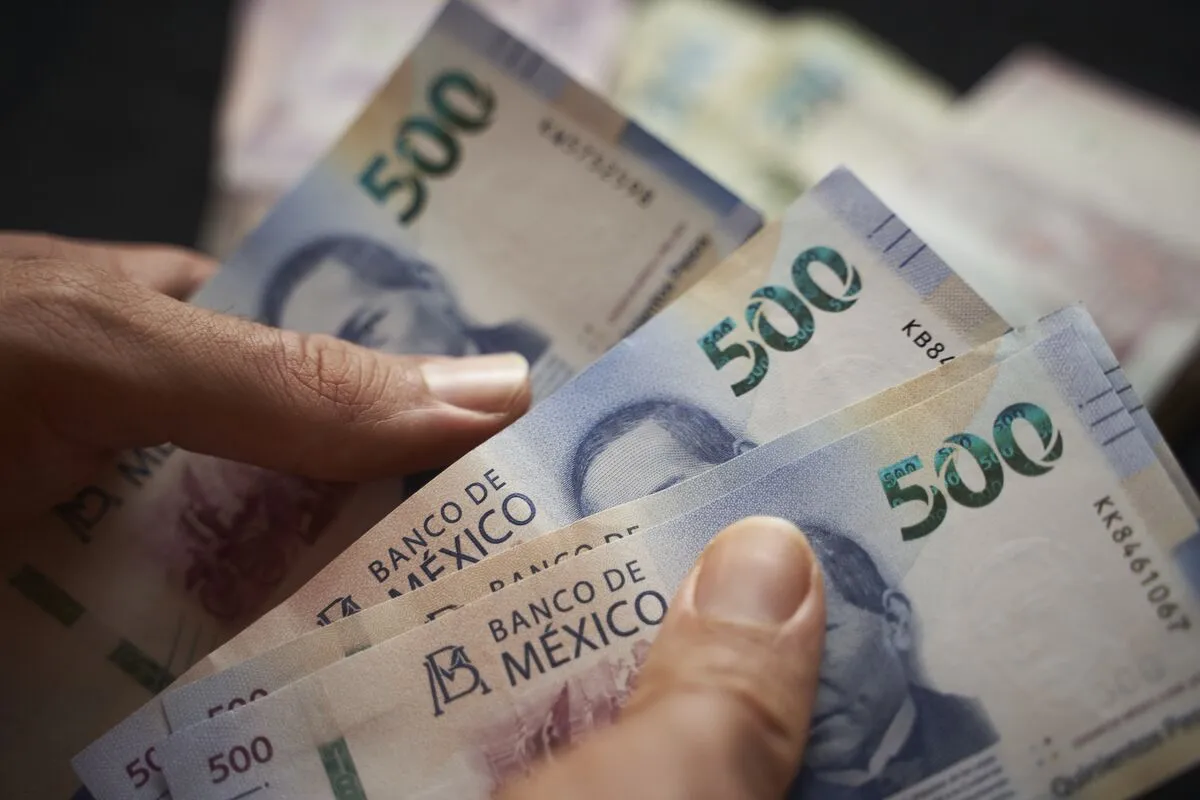
Mexican Peso Drops 4% in Two Weeks in U.S.Pre-Election Slide
Mexican Peso Drops 4% in Two Weeks in U.S.Pre-Election Slide.
RT
Ask Rio Times
17 years of Latin America reporting, on demand.
Open the full Ask Rio Times →

Interestingly, the peso‘s decline began after Mexico’s own political shift. On June 2, local elections resulted in Claudia Sheinbaum’s victory in the presidential race.

The LatAm Brief

One email, every weekday morning. What moved in Latin American markets, politics and expat life.

Yesterday’s subject line: “Paraguay's Senate ousts its president after a bank failure”

Free. We send a confirmation link first — nothing arrives until you click it. Unsubscribe with one click in any edition. If you stop opening us for 30 days we stop sending by ourselves, as we assume the interest is no longer there. See our privacy policy. We never share your email.

Before this event, the peso traded at 16.9682 per dollar, earning the nickname “superpeso” for its strength. Market volatility has increased, reflecting growing uncertainty.

Currency Volatility and Economic Influences

The peso’s one-month implied volatility briefly surged above 22.43%, reaching its highest level since April 2020. This volatility demonstrates how markets freely express concerns about potential economic impacts.

The US Dollar Index, measuring the dollar’s strength against major currencies, has gained 1.24%. This broader trend shows that the peso’s decline is part of a larger market movement.

Interest rates also play a role in this currency dance. Analysts expect the US Federal Reserve to cut rates soon. There’s a 98.5% chance they will lower rates to between 4.50% and 4.75%.

Mexico’s central bank might follow suit, potentially reducing its rate by 25 basis points to 10.25%. Economic data will likely influence future currency movements.

The upcoming US GDP report could sway market sentiment. Analysts predict growth of 0.58% for the quarter, or 2.34% annualized. Mexico’s inflation data and central bank minutes will also shape market perceptions.

Some analysts believe the peso could recover if the US election brings clarity, especially regarding trade relations. However, concerns linger about potential tariffs on Mexican imports under certain election outcomes.

These worries persist despite the deeply integrated North American supply chains. As the election approaches, investors will closely watch the peso’s performance.

Its movements may offer insights into market perceptions of potential outcomes. This situation underscores how free markets react to political events, shaping economic realities across borders.

Key Facts

— Deep Dive

— For the complete picture, read our in-depth guide: Mexico Economy 2026: GDP, Peso, Nearshoring, Banxico and Trade

This article was produced by The Rio Times’ automated AI newsroom. Editorial responsibility: Matthias Camenzind, Publisher and Editor-in-Chief. How we use AI · Report an error

The Rio Times · Power Map
See who really holds power in Latin America
Click to open the Power Map →

Brazil runoff date: Sunday, October 25, poll closing times and when results start · Brazil runoff polls: Flávio 51%, Lula 49% · Kalshi and Polymarket odds

Rotate for Best Experience

This report is optimized for landscape viewing. Rotate your phone for the full experience.