As Others Quit the International Criminal Court, Malawi Offers It a Judge
Key Facts
- The country. Malawi is a landlocked southern African nation of 22 million people. Its economy, about US$15 billion a year, is smaller than Vermont’s; income per head is about US$670.
- Why it matters. The International Criminal Court (ICC) in The Hague tries individuals for genocide, war crimes and crimes against humanity. Washington has sanctioned its judges and prosecutors since 2025.
- Why now. On 22 September, President Donald Trump told the UN General Assembly that countries should quit the court. Mali, Burkina Faso, Niger, Chad and Venezuela already moved to leave this year.
- What happened. On Monday 28 September, Malawi used its UN speech to seek votes for Tujilane Chizumila as an ICC judge for 2027 to 2036.
- Who is involved. Chizumila, a former Malawi ombudsman, has served on the African Court on Human and Peoples’ Rights, the African Union’s court in Arusha, Tanzania.
- What it means for you. Malawi is pitching itself to investors and donors as a rule-abiding UN partner. Its minister also sought debt relief and warned of El Niño weather risks this year.
- Still open. Twelve candidates, seven of them African, are listed for six seats. Member states vote in New York between 7 and 17 December 2026.
President Donald Trump has told countries to quit the International Criminal Court (ICC), the world’s permanent war crimes tribunal. Malawi, one of the world’s poorest nations, answered by campaigning to put a judge on its bench.
Foreign Minister George Chaponda made the pitch on Monday 28 September, the last day of the UN’s annual debate of world leaders. He spoke for President Arthur Peter Mutharika, who returned to power in 2025.
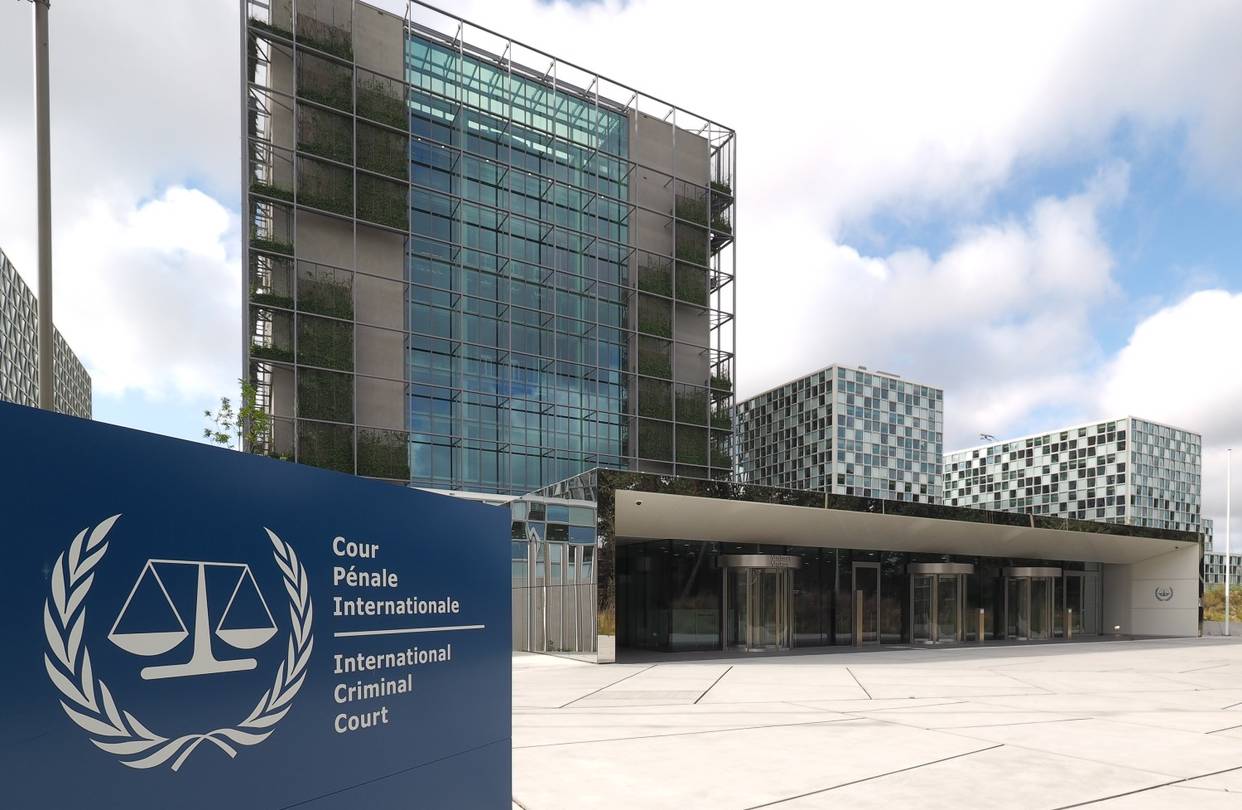
Chaponda asked the court’s member states to back Lady Justice Tujilane Chizumila as an ICC judge for the 2027 to 2036 term. Six of the court’s 18 judges will be elected in New York in December.
A judge for The Hague
Chaponda called Chizumila “a distinguished jurist with extensive judicial and legal experience at the national, regional and international levels”. He cited her service on the African Court on Human and Peoples’ Rights.
That court, based in Arusha, Tanzania, is the African Union’s tribunal for human rights cases against states. Chizumila earlier served as Malawi’s ombudsman, the official who investigates complaints against public bodies.
Her nomination is not new. The Assembly of States Parties, the court’s governing body of member countries, had listed her among the candidates by April.
What Malawi did at the UN was to campaign for votes on the world’s biggest stage. Her candidacy, Chaponda said, reflects a commitment to “strengthening international justice through experienced, independent and highly qualified judicial leadership”.
Swimming against the current
The timing stands out. On Tuesday 22 September, Trump told the General Assembly the ICC was “evil” and urged member states to resign immediately.
The Pacific island state of Naoero, better known abroad as Nauru, soon said that it would leave. Germany and other European governments publicly rejected the call.
The court was already shrinking. Mali, Burkina Faso and Niger, all run by military governments, moved to quit in July, followed by Chad and Venezuela.
Washington has also sanctioned ICC judges and prosecutors since 2025, blocking any US assets they hold. The measures followed the court’s arrest warrant for Israeli Prime Minister Benjamin Netanyahu.
Burkina Faso’s foreign minister spoke on the same final day, condemning “double standards” in the international system. Chaponda named neither Washington nor the Sahel states, but the contrast needed no spelling out.
The rest of Malawi’s shopping list
The court bid was one item in a long appeal. Chaponda called for “immediate, comprehensive debt relief and restructuring”, saying poor countries must choose between “predatory debts” and schools and clinics.
He asked for full funding of the Loss and Damage Fund, a UN climate fund for countries hit by disasters. Malawi, he said, faces “the added threat of El Niño-related extreme weather” this year.
He also backed the African Union’s demand for two permanent Security Council seats with veto power, known as the Ezulwini Consensus. He urged a radical overhaul of the IMF and World Bank.
Other requests included a legally binding pandemic treaty with technology transfers. He also wanted global rules on artificial intelligence that keep it “human-centred”.
What this means for expats and investors
For foreigners living in or dealing with Malawi, the speech shows how the government wants to be seen. It presented Malawi as a rules-based UN partner that is “open for business”.
Chaponda said Malawi wants to shift away from “traditional, paternalistic foreign aid” toward trade and investment ties. That matters to donors and lenders whose money its Malawi 2063 development plan relies on.
Investors should also note the El Niño warning, since farming is the backbone of the economy. The court bid changes nothing on the ground but signals that Lilongwe, the capital, is staying in the multilateral camp.
What Is Not Known
It is not known how much support Chizumila has among the court’s member states. She faces 11 rivals for six seats, including Kenya’s Njoki Ndungu and Ghana’s Evelyn Ankumah.
Malawi gave no figures for the debt relief or climate finance it wants. Nor did it estimate what this year’s El Niño threat could do to the harvest.
Frequently Asked Questions
Who is Tujilane Chizumila?
A Malawian lawyer and judge whom Malawi has nominated for a nine-year term at the International Criminal Court from 2027. She has served on the African Court on Human and Peoples’ Rights and was earlier Malawi’s ombudsman.
Why is Malawi’s ICC move notable?
It runs against the tide: Trump urged every country to quit the court on 22 September. Five states moved to leave this year, while Malawi is campaigning to seat an ICC judge.
What else did Malawi demand at the UN?
Immediate, comprehensive debt relief, full funding of the climate Loss and Damage Fund, and permanent African Security Council seats with veto power. It also sought a radical IMF and World Bank overhaul, a binding pandemic treaty and fair global rules for AI.
When will the new ICC judges be elected?
At the court’s Assembly of States Parties in New York, held from 7 to 17 December 2026. Twelve candidates are listed for six seats, and each winner serves a single nine-year term.
Sources
UN General Assembly — Statement of Malawi, 81st session (28 September 2026, PDF) · UN Meetings Coverage — General Assembly concludes high-level debate (28 September 2026) · ICC Assembly of States Parties — 2026 election of six judges, nominations · Reuters — Trump tells countries to quit ICC. Few follow his lead (24 September 2026) · Nyasa Times — Chaponda slams UN ‘talk shop’ (28 September 2026) · World Bank — Malawi data
This article was produced by The Rio Times’ automated newsroom system. How we use AI · Report an error
Read More from The Rio Times