IBOV 185,547.66 ▼ 0.51% IPSA 11,235.54 ▼ 0.77% IPC MEX 63,507.11 ▼ 1.11% MERVAL 3,028,871 ▼ 1.65% COLCAP 2,511.76 ▼ 2.16% BVL PERÚ 58,496.57 ▲ 0.80% USD/BRL5.15— 0.00% USD/MXN17.24▲ 0.57% USD/CLP954.20▼ 0.22% USD/COP3,119▲ 0.15% USD/PEN3.36▲ 0.07% USD/ARS1,512▲ 0.37% USD/UYU40.19▲ 2.94% USD/PYG5,905▲ 1.29% USD/BOB10.10▼ 13.67% USD/DOP58.76▼ 0.07% USD/CRC444.45▲ 1.84% USD/GTQ7.62▲ 2.98% USD/HNL26.85▲ 0.27% USD/NIO36.62▲ 0.29% USD/VES844.40▼ 0.13% USD/PAB1.00— 0.00% USD/BZD2.00— 0.00% USD/JMD 157.28 — 0.00% USD/TTD6.73▲ 2.25% EUR/BRL5.91▼ 0.34% BRENT 88.88 ▼ 0.03% WTI 83.11 ▼ 0.11% IRON ORE 161.91 — — COPPER 6.61 ▲ 0.03% GOLD 4,461 ▲ 1.78% SILVER 65.59 ▲ 1.26% SOY 1,184 ▲ 3.20% CORN 480.50 ▲ 10.02% WHEAT 655.00 ▲ 3.93% COFFEE 317.25 ▼ 5.51% SUGAR 16.43 ▼ 1.79% ORANGE JUICE 138.55 ▼ 0.47% COTTON 85.03 ▲ 2.33% COCOA 5,719 ▲ 3.18% BEEF 223.60 ▼ 3.93% CATTLE 339.10 ▼ 3.16% LITHIUM 75.20 ▲ 1.47% PETR4 41.64 ▼ 0.05% VALE3 72.97 ▲ 0.83% ITUB4 38.60 ▼ 1.03% BBDC4 16.85 ▲ 0.36% ABEV3 14.89 ▼ 0.80% BBAS3 19.37 ▲ 0.47% B3SA3 14.26 ▼ 0.21% WEGE3 47.59 ▲ 0.49% PRIO3 59.14 ▼ 0.19% SUZB3 41.33 ▲ 2.35% RENT3 34.68 ▼ 0.09% AZZA3 15.89 ▼ 2.63% CSAN3 3.22 ▼ 1.83% RAIZ4 0.25 — 0.00% PCAR3 2.75 ▼ 0.36% GMAT3 3.65 ▼ 1.08% PSSA3 48.13 ▼ 0.54% CVCB3 1.33 ▼ 2.92% POSI3 3.36 ▲ 2.44% SLCE3 13.34 ▲ 0.30% NATU3 8.14 ▼ 0.73% IBOV 185,547.66 ▼ 0.51% IPSA 11,235.54 ▼ 0.77% IPC MEX 63,507.11 ▼ 1.11% MERVAL 3,028,871 ▼ 1.65% COLCAP 2,511.76 ▼ 2.16% BVL PERÚ 58,496.57 ▲ 0.80% USD/BRL 5.16 ▲ 0.01% USD/MXN 17.06 ▼ 0.24% USD/CLP 913.98 ▲ 0.04% USD/COP 3,140 ▲ 0.03% USD/PEN 3.36 ▼ 0.66% USD/ARS 1,493 ▲ 0.10% USD/UYU 40.27 ▲ 1.24% USD/PYG 5,939 ▲ 1.68% USD/BOB 11.64 ▼ 0.76% USD/DOP 58.34 ▲ 1.25% USD/CRC 445.92 ▲ 0.89% USD/GTQ 7.62 ▲ 2.21% USD/HNL 26.79 ▲ 1.57% USD/NIO 36.62 ▲ 0.69% USD/VES 762.44 ▼ 0.13% USD/PAB 1.00 — 0.00% USD/BZD 2.00 — 0.00% USD/JMD 157.28 — 0.00% USD/TTD 6.70 ▲ 0.61% EUR/BRL 5.95 ▲ 1.01% BRENT 88.88 ▼ 0.03% WTI 83.11 ▼ 0.11% IRON ORE 161.91 — — COPPER 6.61 ▲ 0.03% GOLD 4,461 ▲ 1.78% SILVER 65.59 ▲ 1.26% SOY 1,184 ▲ 3.20% CORN 480.50 ▲ 10.02% WHEAT 655.00 ▲ 3.93% COFFEE 317.25 ▼ 5.51% SUGAR 16.43 ▼ 1.79% ORANGE JUICE 138.55 ▼ 0.47% COTTON 85.03 ▲ 2.33% COCOA 5,719 ▲ 3.18% BEEF 223.60 ▼ 3.93% CATTLE 339.10 ▼ 3.16% LITHIUM 75.20 ▲ 1.47% PETR4 41.64 ▼ 0.05% VALE3 72.97 ▲ 0.83% ITUB4 38.60 ▼ 1.03% BBDC4 16.85 ▲ 0.36% ABEV3 14.89 ▼ 0.80% BBAS3 19.37 ▲ 0.47% B3SA3 14.26 ▼ 0.21% WEGE3 47.59 ▲ 0.49% PRIO3 59.14 ▼ 0.19% SUZB3 41.33 ▲ 2.35% RENT3 34.68 ▼ 0.09% AZZA3 15.89 ▼ 2.63% CSAN3 3.22 ▼ 1.83% RAIZ4 0.25 — 0.00% PCAR3 2.75 ▼ 0.36% GMAT3 3.65 ▼ 1.08% PSSA3 48.13 ▼ 0.54% CVCB3 1.33 ▼ 2.92% POSI3 3.36 ▲ 2.44% SLCE3 13.34 ▲ 0.30% NATU3 8.14 ▼ 0.73%
since 2009
Wednesday, September 16, 2026

Mexico China

Made in Mexico, Funded by China: The New Route to U.S. Markets?

By · October 10, 2024 · 2 min read

The LatAm Brief

One email, every weekday morning. What moved in Latin American markets, politics and expat life.

Yesterday’s subject line: “Maduro's money man just pleaded guilty”

Free. We send a confirmation link first — nothing arrives until you click it. Unsubscribe with one click in any edition. If you stop opening us for 30 days we stop sending by ourselves, as we assume the interest is no longer there. See our privacy policy. We never share your email.

Chinese investment in Mexico has surged, transforming North American trade dynamics. The Rhodium Group has identified over 700 Chinese foreign direct investment transactions in Mexico, totaling $13 billion.

This figure significantly exceeds official estimates, revealing a new economic landscape. In 2023, China became Mexico’s second-largest foreign investor, contributing $11.2 billion to the country’s economy.

Chinese companies have increasingly targeted Mexico’s manufacturing sector, focusing on the automotive, electronics, and consumer goods industries.

This investment trend began around 2019 and has accelerated due to growing U.S.-China trade tensions. Companies now use Mexico as a strategic base to access North American markets while avoiding U.S. tariffs on direct shipments from China.

Since 2015, Chinese investments in Mexico have averaged 13 major deals annually, worth about $1 billion each year. Northern Mexican states have reaped substantial benefits from this investment boom.
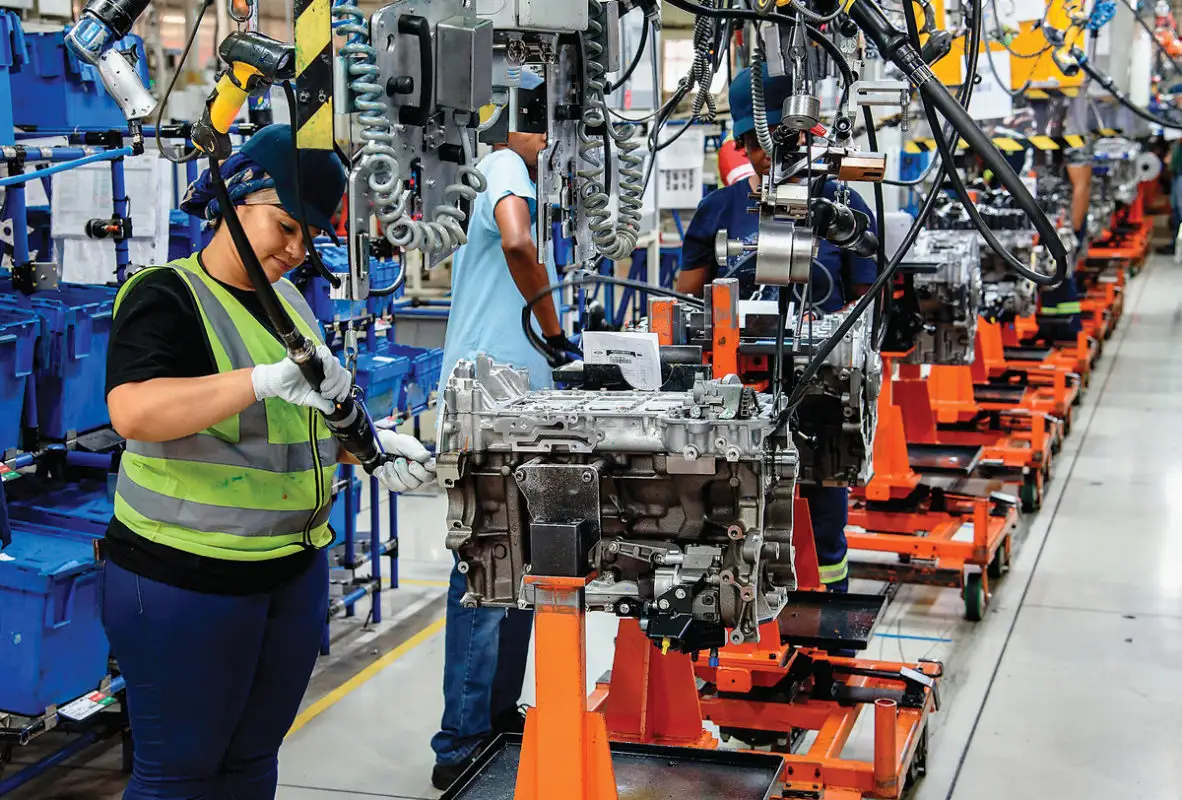
Made in Mexico, Funded by China: The New Route to U.S. Markets
Made in Mexico, Funded by China: The New Route to U.S. Markets.
One-stop reference
Company Intelligence
Every listed company in Latin America — financials, ownership and structure for 1,450+ companies across 26 exchanges, in one place.
Browse the directory →
RT
Ask Rio Times
Latin American markets, currencies and companies.
Open the full Ask Rio Times →

Nuevo León, in particular, has secured 72.2% of nearshoring investments at the national level. The first quarter of 2024 saw over 50 nearshoring investments announced in Nuevo León alone, valued at $13 billion.

Navigating Challenges

However, this influx of Chinese investment faces potential hurdles. The U.S. may implement measures to limit Chinese exports and investment flows into Mexico.

Recently, Mexico imposed duties on Chinese steel products following anti-dumping investigations, adding complexity to the situation.

Despite these challenges, the economic benefits for Mexico are significant. The Inter-American Development Bank estimates the short-term impact could reach $35.3 billion annually.

Chinese investment also brings valuable skills and technologies to Mexico, potentially enhancing its manufacturing capabilities.

Some U.S. policy circles view Mexico‘s resurgent trade status with skepticalness. They question whether it represents true diversification away from China or merely a reorganization of trade flows.

Recent academic studies suggest that increased Mexican exports to the U.S. have been accompanied by rising Mexican imports from China.

Data analysis shows that while Mexican exports to the U.S. correlate with increasing Chinese exports to Mexico, the relationship is not equal.

The correlation is much weaker than with other diversification partners like Vietnam, suggesting that Mexico’s growing exports to the U.S. are not simply Chinese exports rerouted through Mexico.

This evolving situation underscores the complex interplay between international politics, economics, and trade in our interconnected world.

As North American trade patterns shift, Mexico’s role as a manufacturing hub and investment destination continues to grow, reshaping the region’s economic landscape.

This article was produced by The Rio Times’ automated newsroom system. How we use AI · Report an error

Read More from The Rio Times

The Rio Times · Power Map
See who really holds power in Latin America
Click to open the Power Map

Rotate for Best Experience

This report is optimized for landscape viewing. Rotate your phone for the full experience.