Mexican Energy Reform Sparks Debate on State Control and Economic Impact
The Mexican Chamber of Deputies has approved a controversial energy reform, championed by former President Andrés Manuel López Obrador.
This legislation aims to restore the public service orientation of Pemex and CFE, Mexico’s state-owned oil and electricity companies.
The reform passed with 353 votes in favor and 122 against, reflecting strong support from the ruling party and its allies.
The reform modifies key constitutional articles, redefining Pemex and CFE as public companies rather than productive state enterprises.
This change shifts their focus from profit-making to fulfilling social responsibilities and ensuring accessible services. The new legislation grants CFE control over electricity and internet services, prioritizing it over private companies.
Supporters argue that this reform will benefit CFE by eliminating disadvantages faced by private firms. They claim it will ensure electricity provision at the lowest possible price while avoiding profiteering.
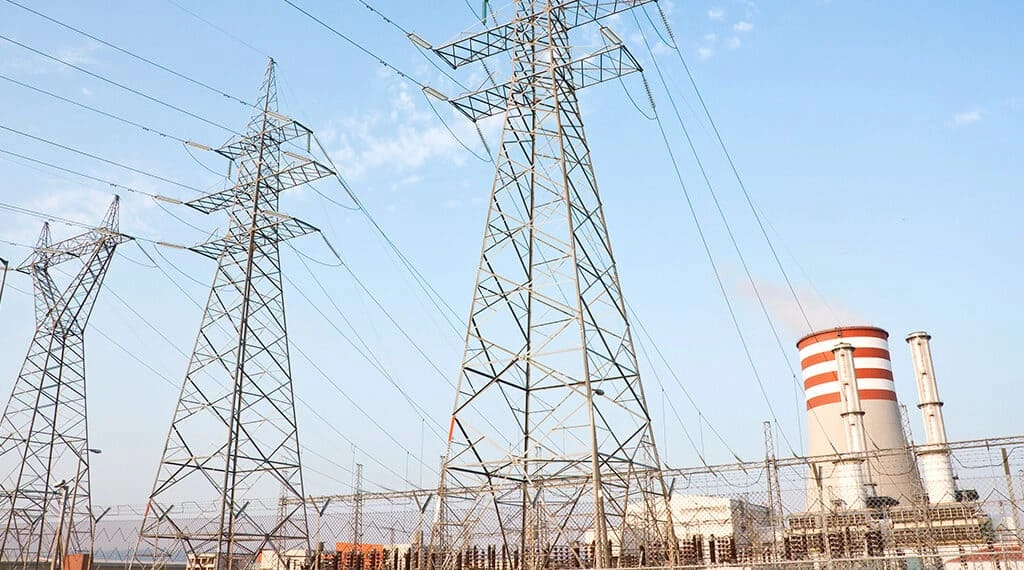
Mexico’s Energy Reform
The reform also emphasizes the development of scientific and technological policies for energy transition and environmental protection.
Critics, however, warn of potential negative consequences. They argue that the reform may lead to higher costs and reduced efficiency in the energy sector.
Some legislators expressed concerns about the lack of plans for financial restructuring of Pemex and CFE. They also point out the absence of a clear strategy for transitioning to sustainable and clean energy models.
Analysts suggest the reform could strain public finances and potentially violate the USMCA trade agreement. By allowing Pemex and CFE to operate without profit motives, the companies might incur losses that could burden the national Treasury.
The legislation permits private participation in non-transmission and distribution activities. However, it stipulates that private entities cannot have precedence over the state-owned company.
In addition, this provision has raised concerns about potential conflicts of interest and discrimination against foreign investors.
As Mexico moves forward with this energy reform, its implications for investment, international relations, and economic development remain subjects of intense debate.
The reform’s long-term effects on Mexico’s energy landscape and economy will likely unfold in the coming years, shaping the country’s future energy policies and market dynamics.
More: Mexico news in English, every day from The Rio Times.
This article was produced by The Rio Times’ automated newsroom system. How we use AI · Report an error
In depth
Read More from The Rio Times