Brazil’s Central Bank Has No Plans to Eliminate Physical Currency
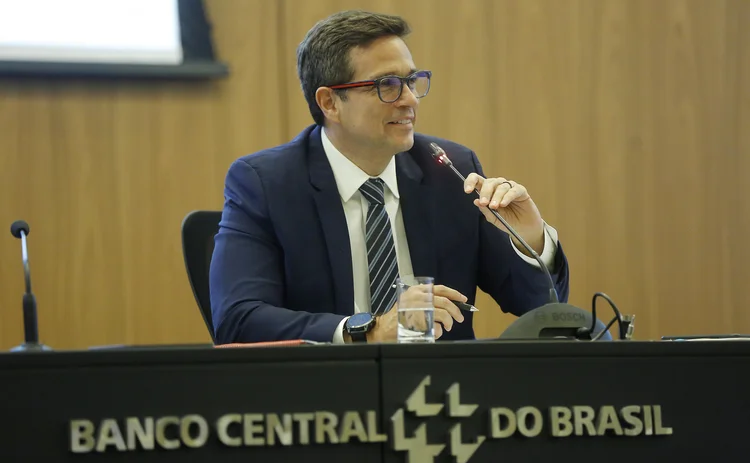
In a significant declaration at the Blockchain Rio event, Roberto Campos Neto, President of Brazil’s Central Bank, underscored a pivotal stance: the physical real is here to stay.
Amidst a world swiftly pivoting to digital transactions, this commitment to tangible currency speaks volumes. It particularly reflects on the recent pandemic-driven financial crises.
The COVID-19 emergency aid highlighted the critical need for cash when digital systems were overwhelmed by demand. This situation demonstrated the enduring value of physical money.
The introduction of Drex, a digital counterpart to the Brazilian Real, marks a new chapter in Brazil’s financial narrative.
This digital currency enhances transaction efficiency across Brazil by working seamlessly with PIX, the nation’s instant payment system.
However, unlike the rapid obsolescence of paper money seen elsewhere, Drex is set to gradually decrease the necessity for cash without eliminating it entirely.
This cautious approach to digital currency ensures that Brazil avoids the pitfalls seen in economies that moved too hastily towards digitization.
Campos Neto’s Strategy
Campos Neto’s strategy is inclusive, addressing the needs of millions who either lack access to banking services or the internet.
By maintaining cash as a transactional option, the Central Bank fosters financial inclusion. This ensures that everyone can participate in the digital transition, leaving no one behind.
Control over Drex will be stringent and confined to regulated financial institutions. This suggests a methodical rollout aimed at maintaining economic stability and security.
Brazil’s dual system of digital and physical currencies mirrors a broader global trend. However, it stands out with a distinctive commitment to inclusivity and accessibility.
This article was drafted with automated assistance and reviewed before publication. How we use AI · Report an error · Editorial responsibility: Matthias Camenzind, Editor-in-Chief