IBOV 185,629.04 ▼ 0.93% IPSA 11,317.59 ▼ 0.46% IPC MEX 64,814.97 ▼ 0.39% MERVAL 3,110,163 — 0.00% COLCAP 2,584.02 ▲ 0.57% BVL PERÚ 60,246.14 ▲ 0.76% USD/BRL5.14▲ 0.55% USD/MXN16.99▲ 0.55% USD/CLP936.97▲ 1.00% USD/COP3,119▲ 0.05% USD/PEN3.35▼ 0.14% USD/ARS1,514▲ 0.02% USD/UYU40.24▲ 3.05% USD/PYG5,868▲ 2.26% USD/BOB12.36▲ 1.91% USD/DOP58.63▲ 0.22% USD/CRC447.58▲ 1.69% USD/GTQ7.63▲ 3.04% USD/HNL26.85▲ 0.57% USD/NIO36.62▲ 0.34% USD/VES825.67▼ 0.13% USD/PAB1.00— 0.00% USD/BZD2.00— 0.00% USD/JMD 157.28 — 0.00% USD/TTD6.73▲ 2.40% EUR/BRL5.97▲ 1.05% BRENT 88.88 ▼ 0.03% WTI 83.11 ▼ 0.11% IRON ORE 161.91 — — COPPER 6.61 ▲ 0.03% GOLD 4,461 ▲ 1.78% SILVER 65.59 ▲ 1.26% SOY 1,184 ▲ 3.20% CORN 480.50 ▲ 10.02% WHEAT 655.00 ▲ 3.93% COFFEE 317.25 ▼ 5.51% SUGAR 16.43 ▼ 1.79% ORANGE JUICE 138.55 ▼ 0.47% COTTON 85.03 ▲ 2.33% COCOA 5,719 ▲ 3.18% BEEF 223.60 ▼ 3.93% CATTLE 339.10 ▼ 3.16% LITHIUM 75.20 ▲ 1.47% PETR4 41.64 ▼ 0.05% VALE3 72.97 ▲ 0.83% ITUB4 38.60 ▼ 1.03% BBDC4 16.85 ▲ 0.36% ABEV3 14.89 ▼ 0.80% BBAS3 19.37 ▲ 0.47% B3SA3 14.26 ▼ 0.21% WEGE3 47.59 ▲ 0.49% PRIO3 59.14 ▼ 0.19% SUZB3 41.33 ▲ 2.35% RENT3 34.68 ▼ 0.09% AZZA3 15.89 ▼ 2.63% CSAN3 3.22 ▼ 1.83% RAIZ4 0.25 — 0.00% PCAR3 2.75 ▼ 0.36% GMAT3 3.65 ▼ 1.08% PSSA3 48.13 ▼ 0.54% CVCB3 1.33 ▼ 2.92% POSI3 3.36 ▲ 2.44% SLCE3 13.34 ▲ 0.30% NATU3 8.14 ▼ 0.73% IBOV 185,629.04 ▼ 0.93% IPSA 11,317.59 ▼ 0.46% IPC MEX 64,814.97 ▼ 0.39% MERVAL 3,110,163 — 0.00% COLCAP 2,584.02 ▲ 0.57% BVL PERÚ 60,246.14 ▲ 0.76% USD/BRL 5.16 ▲ 0.01% USD/MXN 17.06 ▼ 0.24% USD/CLP 913.98 ▲ 0.04% USD/COP 3,140 ▲ 0.03% USD/PEN 3.36 ▼ 0.66% USD/ARS 1,493 ▲ 0.10% USD/UYU 40.27 ▲ 1.24% USD/PYG 5,939 ▲ 1.68% USD/BOB 11.64 ▼ 0.76% USD/DOP 58.34 ▲ 1.25% USD/CRC 445.92 ▲ 0.89% USD/GTQ 7.62 ▲ 2.21% USD/HNL 26.79 ▲ 1.57% USD/NIO 36.62 ▲ 0.69% USD/VES 762.44 ▼ 0.13% USD/PAB 1.00 — 0.00% USD/BZD 2.00 — 0.00% USD/JMD 157.28 — 0.00% USD/TTD 6.70 ▲ 0.61% EUR/BRL 5.95 ▲ 1.01% BRENT 88.88 ▼ 0.03% WTI 83.11 ▼ 0.11% IRON ORE 161.91 — — COPPER 6.61 ▲ 0.03% GOLD 4,461 ▲ 1.78% SILVER 65.59 ▲ 1.26% SOY 1,184 ▲ 3.20% CORN 480.50 ▲ 10.02% WHEAT 655.00 ▲ 3.93% COFFEE 317.25 ▼ 5.51% SUGAR 16.43 ▼ 1.79% ORANGE JUICE 138.55 ▼ 0.47% COTTON 85.03 ▲ 2.33% COCOA 5,719 ▲ 3.18% BEEF 223.60 ▼ 3.93% CATTLE 339.10 ▼ 3.16% LITHIUM 75.20 ▲ 1.47% PETR4 41.64 ▼ 0.05% VALE3 72.97 ▲ 0.83% ITUB4 38.60 ▼ 1.03% BBDC4 16.85 ▲ 0.36% ABEV3 14.89 ▼ 0.80% BBAS3 19.37 ▲ 0.47% B3SA3 14.26 ▼ 0.21% WEGE3 47.59 ▲ 0.49% PRIO3 59.14 ▼ 0.19% SUZB3 41.33 ▲ 2.35% RENT3 34.68 ▼ 0.09% AZZA3 15.89 ▼ 2.63% CSAN3 3.22 ▼ 1.83% RAIZ4 0.25 — 0.00% PCAR3 2.75 ▼ 0.36% GMAT3 3.65 ▼ 1.08% PSSA3 48.13 ▼ 0.54% CVCB3 1.33 ▼ 2.92% POSI3 3.36 ▲ 2.44% SLCE3 13.34 ▲ 0.30% NATU3 8.14 ▼ 0.73%
since 2009
Thursday, September 10, 2026

Africa Northern Africa

Libya’s Banking Crisis: A Nation’s Battle for Stability and Economic Survival

By · August 28, 2024 · 2 min read

Africa Intelligence

One email, every weekday morning. African markets, politics and business — filed from our newsroom in Rio.

Yesterday’s subject line: “Nigeria's Dangote signs for Africa's biggest IPO ever”

Free. We send a confirmation link first — nothing arrives until you click it. Unsubscribe with one click in any edition. If you stop opening us for 30 days we stop sending by ourselves, as we assume the interest is no longer there. See our privacy policy. We never share your email.

Libya’s ongoing banking crisis is a microcosm of the nation’s broader struggle for stability and economic survival.

Since the fall of Muammar Gaddafi in 2011, Libya has been embroiled in a power struggle between two main factions: the UN-recognized Government of National Unity in Tripoli and the eastern forces led by military leader Khalifa Haftar.

This division has plunged the country into political chaos, severely impacting the operations of the Central Bank of Libya (CBL), which is crucial for managing the nation’s oil revenues.

The political fracture in Libya has created a dual power structure that complicates governance and economic management.

The Tripoli-based government and the eastern factions have been at odds, each vying for control over the country’s resources.
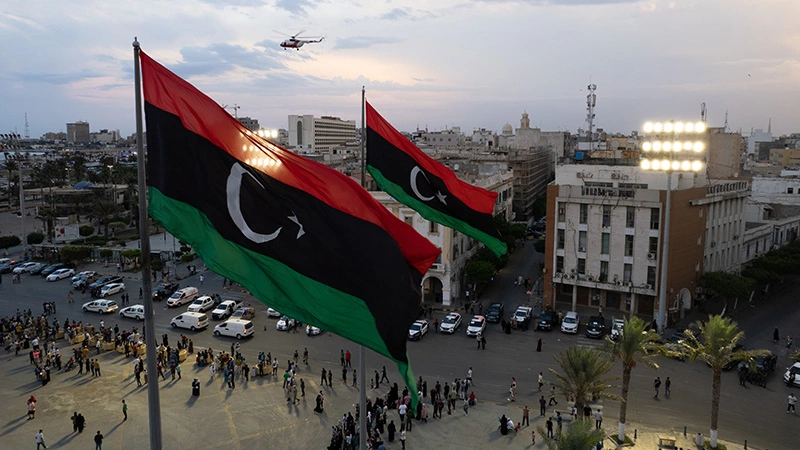
Libya's Banking Crisis: A Nation's Battle for Stability and Economic Survival
Libya’s Banking Crisis: A Nation’s Battle for Stability and Economic Survival.
One-stop reference
Company Intelligence
Every listed company in Latin America — financials, ownership and structure for 1,450+ companies across 26 exchanges, in one place.
Browse the directory →
RT
Ask Rio Times
17 years of Latin America reporting, on demand.
Open the full Ask Rio Times →

This division has made it difficult to implement cohesive national policies. This is particularly true for economic management and the distribution of oil revenues, which are Libya’s primary economic lifeline.

The central bank has become a focal point in this power struggle. The dismissal of CBL governor Sadiq al-Kabir by the Tripoli government was a significant flashpoint, leading to resistance from eastern factions and a halt in oil production.

This disruption has had dire economic consequences, as Libya’s economy is heavily reliant on oil. The reduction in crude oil production to 1,175,000 barrels per day in July 2024 underscores the severity of the crisis.

International Calls for Dialogue Amid Libya’s Crisis

International stakeholders, including the United Nations and the United States, have called for dialogue among Libya’s divided leaders as a means to resolve the crisis.

The emphasis is on achieving a consensus that respects the independence of the CBL and adheres to established political frameworks.

Dialogue is seen as the only viable path forward to stabilize the nation and prevent further economic deterioration.

Despite past challenges, Libya’s economy showed resilience with a 10% growth in 2023. However, the current banking crisis threatens to reverse these gains.

Falling oil prices have reduced government revenues while rising expenses from increased salaries and subsidies have escalated public debt.

The International Monetary Fund warns that while the oil sector holds growth potential, political instability and global market shifts pose significant risks to economic stability.

The international community continues to mediate, urging Libyan factions to engage in dialogue to prevent further escalation of conflicts.

The crisis highlights the critical importance of governance stability in maintaining national economic health.

Without a broad political solution that addresses both the banking crisis and overarching governance challenges, Libya risks enduring cycles of instability and economic setbacks.

In essence, Libya’s banking crisis is emblematic of the nation’s broader struggle for political and economic stability.

It underscores the urgent need for a unified approach to governance that can ensure the effective management of the country’s resources and foster long-term economic growth.

This article was produced by The Rio Times’ automated newsroom system. How we use AI · Report an error

Part of our ongoing coverage

Africa: The New Scramble — the great-power contest over the continent.

More from Northern Africa

Read More from The Rio Times

The Rio Times · Power Map
See who really holds power in Latin America
Click to open the Power Map

Rotate for Best Experience

This report is optimized for landscape viewing. Rotate your phone for the full experience.