Libya and Washington Talk Elections, Budget and Oil
LIBYA · DIPLOMACY
Key Facts
- —The problem Libya has had two rival governments since 2014 and no national election since 2014.
- —What happened The Tripoli prime minister met the senior American diplomat for Libya on Sunday 13 September.
- —What they discussed An election framework, a single national spending plan, and keeping the oil flowing.
- —Why now Eastern and western negotiators signed an accord on 30 August covering elections within 24 months.
- —The oil Libya’s only real revenue. The National Oil Corporation kept pumping through the war and still does.
- —What is not settled Everything else. No election date exists and the two governments remain separate.
Libya has spent a decade holding meetings about elections. The difference this time is that the two halves of the country signed something first, and Washington is now inside the room.
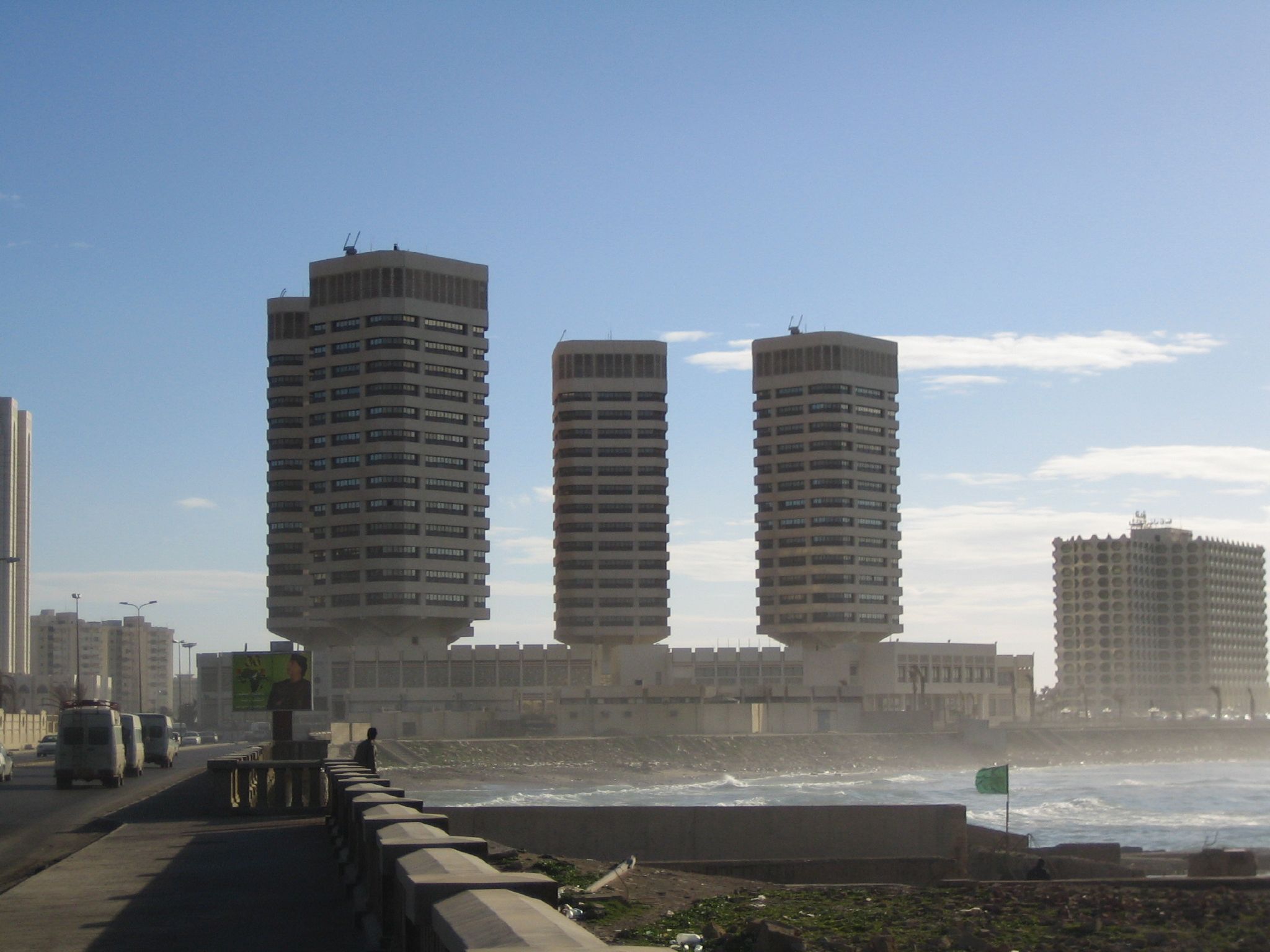
Libya’s Tripoli government met the senior United States diplomat for the country on Sunday. The agenda was the three things that have to move together: a vote, a budget and the oil.
Who Met
Abdul Hamid Dbeibah, prime minister of the Government of National Unity, received Jeremy Berndt in Tripoli on Sunday 13 September.
Berndt holds two roles. He is United States chargé d’affaires to Libya, and since July also senior policy adviser for Libya policy at the State Department.
The Libyan readout covers three files. The political track, a unified spending agreement, and support for the oil sector.
Berndt met the chairman of the National Oil Corporation, Masoud Suleiman, on the same day.
The Accord That Made the Meeting Worth Holding
On 30 August, a body known as the 4+4 Committee signed an accord at United Nations headquarters in Tripoli.
It has four representatives from eastern Libya and four from the west. That is what makes it different from most Libyan negotiating formats.
The accord reshapes the High National Elections Commission under a new chairman, Dhou Al-Hamali, with Sana Al-Lishani as deputy.
It separates presidential and legislative results, and it commits to elections within 24 months.
A separate body, the older 6+6 committee from the 2023 Bouznika process, was revived under an Ankara agreement on 11 September. The two are different mechanisms.
Why Money Is Part of the Conversation
Libya has one national institution that never split: the central bank holds the oil revenue, and the National Oil Corporation earns it.
Two governments spending from one pot is the mechanism through which the division has been financed for a decade.
The unified spending agreement, brokered with American involvement, is an attempt to impose one budget on both.
It covers fiscal discipline, transparency and equitable distribution. Those three words describe exactly what has been absent.
The Oil Nobody Wants to Interrupt
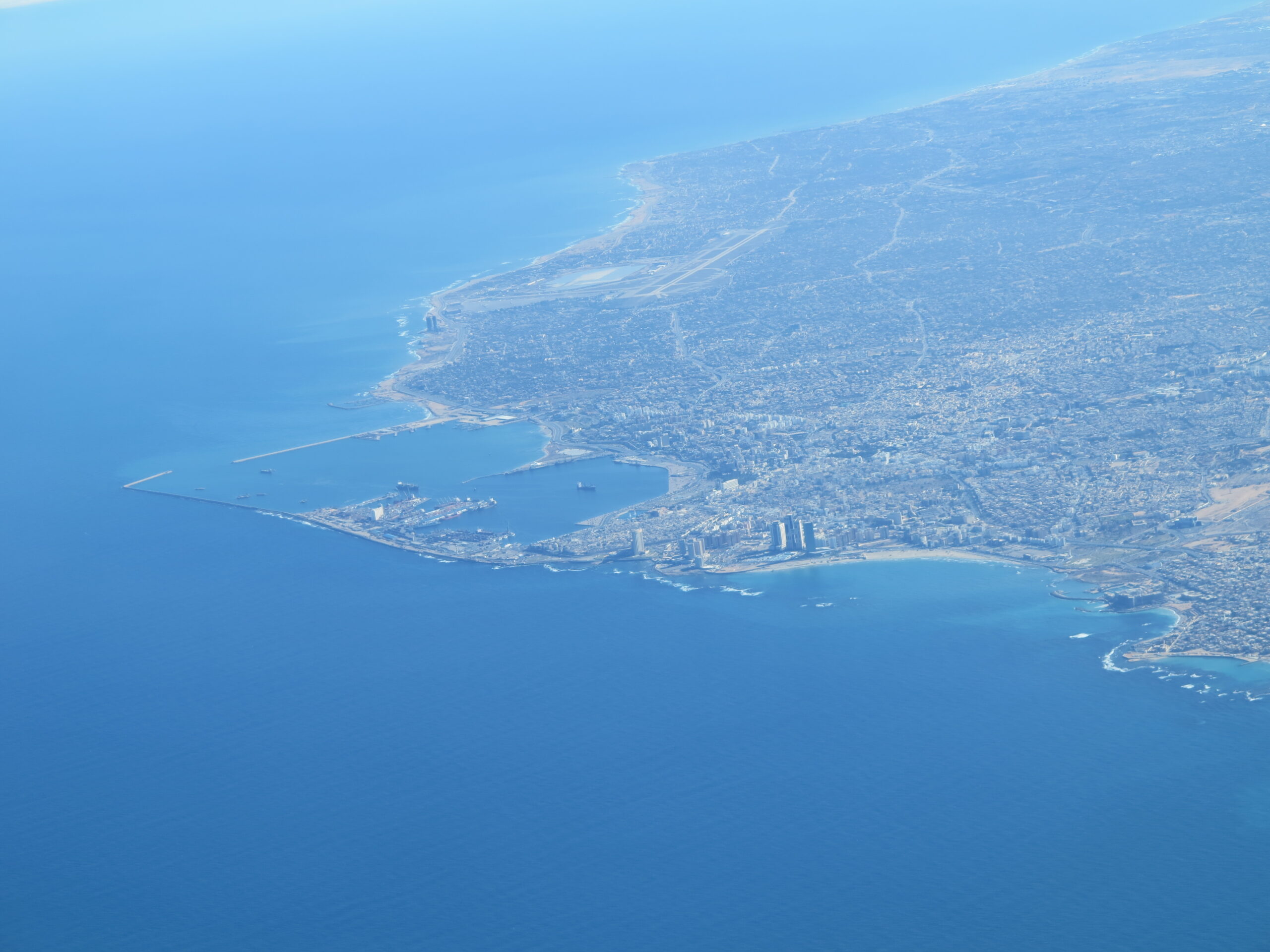
Libya holds Africa’s largest proven oil reserves. Production has recovered to well over a million barrels a day despite everything.
The National Oil Corporation has functioned through blockades, rival boards and armed standoffs at the terminals.
Berndt’s meeting with Suleiman covered budget implementation under the spending agreement, and the position of American companies.
Both halves of the political class have an interest in the oil continuing to flow. It is the one thing they agree on.
What This Does Not Solve
No election date exists. A commitment to elections within 24 months is not a schedule.
The eastern government under Osama Hammad continues to operate separately, with its own institutions and its own policies.
In June it barred nationals of Sudan, Eritrea, Ethiopia and Somalia from territory under its control. Diplomats and some contracted workers were exempt.
That decision was taken without reference to Tripoli, which is the shape of the problem in miniature.
For foreign companies and residents, the practical test is whether one budget actually funds one set of institutions. Until then Libya remains two countries sharing an oil account.
More: Africa news and analysis, every day from The Rio Times.
Frequently Asked Questions
Who met in Tripoli?
Prime Minister Abdul Hamid Dbeibah and Jeremy Berndt, the US chargé d’affaires and senior policy adviser for Libya, on 13 September 2026.
What did they discuss?
The electoral process, a unified national spending agreement and stability in the oil sector.
What is the 4+4 Committee?
A body with four representatives each from eastern and western Libya. It signed an accord on 30 August 2026.
When will Libya hold elections?
No date exists. The accord commits to elections within 24 months.
Why does the budget matter?
Libya has two governments spending from one oil revenue pot. A unified spending agreement would change that.
Is Libya still divided?
Yes. The eastern government under Osama Hammad operates its own institutions and sets its own policies.
Sources: Libya Observer, Al-Saa24, North Africa Post, UNSMIL, National Oil Corporation.
This article was produced by The Rio Times’ automated newsroom system. How we use AI · Report an error
Read More from The Rio Times