Latin America’s 2024 Challenges: Trust and Protectionism
In recent years, Latin America has faced numerous shocks, including the COVID-19 pandemic and various geopolitical conflicts.
As a result, inflation changed, and economic growth slowed. Now, the region faces a future shaped by these challenges, influencing business and investment decisions.
Control Risks’ Global Risk Forecast outlines the region’s key issues. These include distrust in politics and institutions, climate change, and geopolitical shifts.
Daniel Linsker from Control Risk discussed these risks with Bloomberg Línea. He noted the impact of global events like the U.S.-China trade war.
These events have reshuffled the geopolitical landscape, affecting supply chains and global dependencies.
Linsker highlighted reshoring as a significant risk. This trend involves companies bringing production back to their home countries, driven by global protectionism.
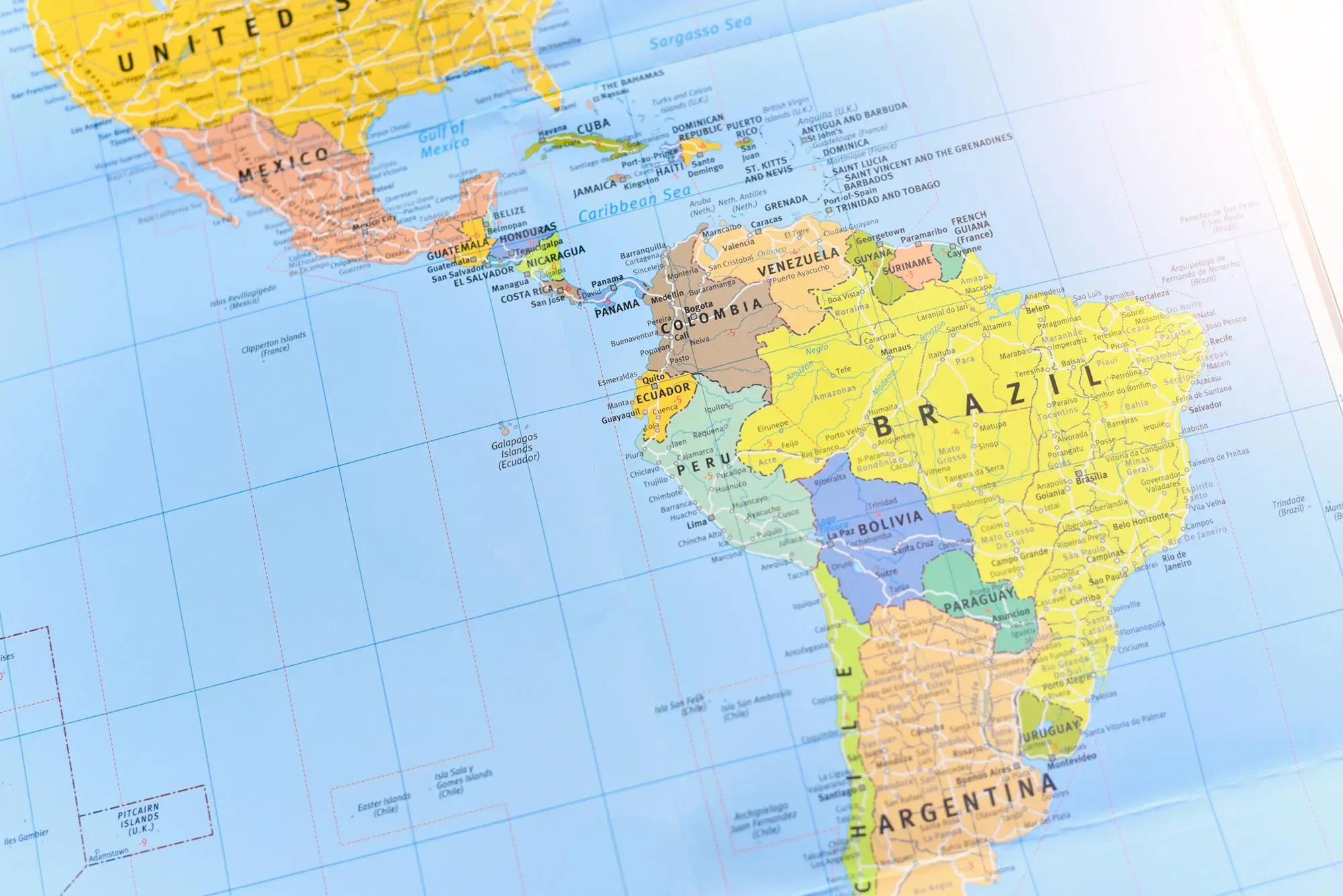
Conversely, nearshoring and friendshoring offer opportunities for Latin America. They involve relocating manufacturing to nearby countries or allies.
Cybersecurity is another growing concern. Fortinet reported an increase in cybercrime.
Attackers are now using advanced tools like AI, targeting critical industries. This calls for better preparedness in managing technological risks.
In the U.S., AI-generated content is increasing polarization. This trend is spilling over into Latin America.
Institutional Distrust
The region already struggles with institutional distrust. Adding misinformation and manipulation to the mix further erodes public trust.
Regulation needs attention in two areas. First, there should be norms for public opinion, especially in political campaigns.
Second, companies must manage their relationships with customers, considering the rise in phishing attacks.
Despite these challenges, Linsker sees opportunities for growth in Latin America.
If the region can steer away from polarization, it could maximize investments, especially in digital advancements.
On climate change, governments must improve their response capabilities. This is vital as climate phenomena disrupt supply chains and intensify other challenges.
For businesses, adapting to a fragmented and digitalized world is crucial. Redefining risk management strategies will be key in navigating these challenges.
More: Brazil news in English, every day from The Rio Times.
This article was produced by The Rio Times’ automated newsroom system. How we use AI · Report an error
Read More from The Rio Times