Latin American Pulse for Friday, July 3, 2026
Executive Summary
The Latin American Pulse for July 3, 2026: Washington downgrades USMCA, a Lima court reclaims China's Chancay port, and Milei targets the central bank.
The Latin American Pulse · Friday, July 3, 2026 · The 60-second read
The bottom line
- The rules get rewritten. Washington let the USMCA pact slide into annual reviews rather than renew it, leaving nearly two trillion dollars in North American trade under permanent negotiation, while a Lima court wrested China’s flagship Chancay port back under Peruvian state oversight — a region redrawing the terms on which the world does business with it.
- Milei turns his axe on the central bank. Argentina’s president will move, at the IMF’s urging, to rewrite the bank’s charter so its one legal duty is guarding the currency, the boldest front yet in a reform drive markets keep rewarding — even as Tesla lands in the lithium heartland, entering through a deal with the state oil firm rather than a showroom.
- Bright spots and dark arts. Chile was crowned Latin America’s most competitive economy on the strength of its institutions, while Brazil’s October campaign turned grubby online, with anonymous pages spending a quarter of a million dollars on attack ads — the promise and the peril of the region’s democracies, side by side.
The regional tape
Thursday’s close · the one place markets live in this dossier
A quick snapshot, and the only markets in today’s Pulse: the July 2 index closes are from The Rio Times’ market data, with the US, currency and oil readings from our July 3 pre-open and morning call. A soft US jobs report — about 57,000 hires, roughly half of forecasts — cooled rate-hike fears and set the tone.
Everything else here is about the region’s people and politics, not its indices.
The big picture · the region’s mood
In Buenos Aires the argument turned inward: Javier Milei set his sights on the central bank itself, moving to rewrite its charter so its sole duty is defending the currency, while Tesla arrived to challenge China’s BYD across the lithium south.
And amid the jockeying there were signs of quiet strength and quiet rot alike — Chile named the region’s most competitive economy on the back of its institutions, Brazil’s coming election already stalked by anonymous money online. A continent negotiating, at every level, who holds the pen.
Live Market IntelligenceLatin America — Cross-Market Board
Rio Times · Live Market Intelligence
Latin America — Cross-Market Board
-1.34%
167,537.95
-1.34%
69,770.84
-0.88%
10,362.59
-1.09%
2,848,945
—
2,452.46
—
| Instrument | Last | Change | YoY | Prev. | High | Low | Volume |
|---|---|---|---|---|---|---|---|
| IBOV | 167,537.95 | -1.34% | +7.04% | 169,816.64 | — | — | — |
| IPSA | 10,362.59 | -1.09% | — | 10,477.22 | 10,495 | 10,309 | — |
| IPC MEX | 69,770.84 | -0.88% | +11.57% | 70,388.96 | — | — | — |
| MERVAL | 2,848,945 | — | — | 2,848,945 | — | — | — |
| COLCAP | 2,452.46 | — | — | — | — | — | — |
| USD/BRL | 5.85 | -0.62% | +9.85% | 5.88 | 5.85 | 5.85 | — |
| EUR/BRL | 6.42 | +1.12% | +4.20% | 6.35 | 6.42 | 6.41 | — |
| USD/MXN | 18.90 | +0.25% | +3.07% | 18.86 | 18.95 | 18.83 | — |
| USD/CLP | 1,007 | +1.47% | +8.10% | 992.83 | 1,008 | 996.20 | — |
| USD/COP | 3,347 | +1.20% | -10.02% | 3,307 | 3,355 | 3,347 | — |
| USD/PEN | 3.41 | +0.05% | +1.28% | 3.41 | 3.45 | 3.41 | — |
| USD/ARS | 1,559 | -0.02% | +11.32% | 1,559 | 1,559 | 1,559 | — |
| USD/UYU | 40.61 | +3.19% | +3.42% | 39.35 | 40.61 | 40.61 | — |
| USD/PYG | 6,212 | +2.85% | -10.31% | 6,040 | 6,212 | 6,212 | — |
| USD/BOB | 11.64 | +3.02% | +72.81% | 11.30 | 11.64 | 11.64 | — |
| USD/DOP | 60.01 | -0.32% | -5.57% | 60.20 | 60.10 | 59.99 | — |
| USD/CRC | 441.73 | +2.50% | -9.47% | 430.94 | 441.73 | 441.73 | — |
| USD/GTQ | 7.64 | +3.23% | +2.08% | 7.40 | 7.64 | 7.64 | — |
Deep dive · who writes the rules
The thread running through the region today is a contest over control — of trade, of ports, of money. Washington’s decision to decline renewing the USMCA in its current form, while the agreement remained in force, keeps Mexico and Canada in a state of permanent negotiation, with tariffs staying until the US trade deficit narrows; it is leverage dressed as procedure.
In Peru, a Lima appeals court handed the state full oversight of the Chinese-run Chancay port, ruling that a privately built port for public use still answers to the public — the second courtroom defeat for Cosco and a marker of how warily the region now eyes Beijing’s infrastructure.
And in Argentina the fight is over the machinery of the state itself. Milei’s plan to rewrite the central bank’s charter, pressed by the IMF and due by September, would strip out a 2012 change and bind the bank to a single mission. Whoever controls the printing press, the reasoning goes, controls the country’s fate.
Country by country
Washington declined to agree to renew the USMCA in its current form, but the agreement remained in force and was not dropped into annual reviews until it expires in 2036, leaving nearly two trillion dollars in trade under permanent negotiation. Tariffs on Mexico and Canada stay until the US trade deficit narrows, with steel and aluminium the hardest to unwind, and Mexico is at the table while talks with Canada have barely begun. President Sheinbaum keeps casting it as a review rather than a rupture, but the uncertainty is now a fixed feature of the map.
A Lima appeals court handed Peru’s regulator full oversight of the Chinese-run Chancay port, throwing out Cosco Shipping’s challenge and ruling that a privately built port for public use still answers to the state. It is the second courtroom setback for the Chinese operator, and it lands the same week Keiko Fujimori is set to be formally proclaimed the country’s first elected woman president. A new leader and a reassertion of the state, arriving together.
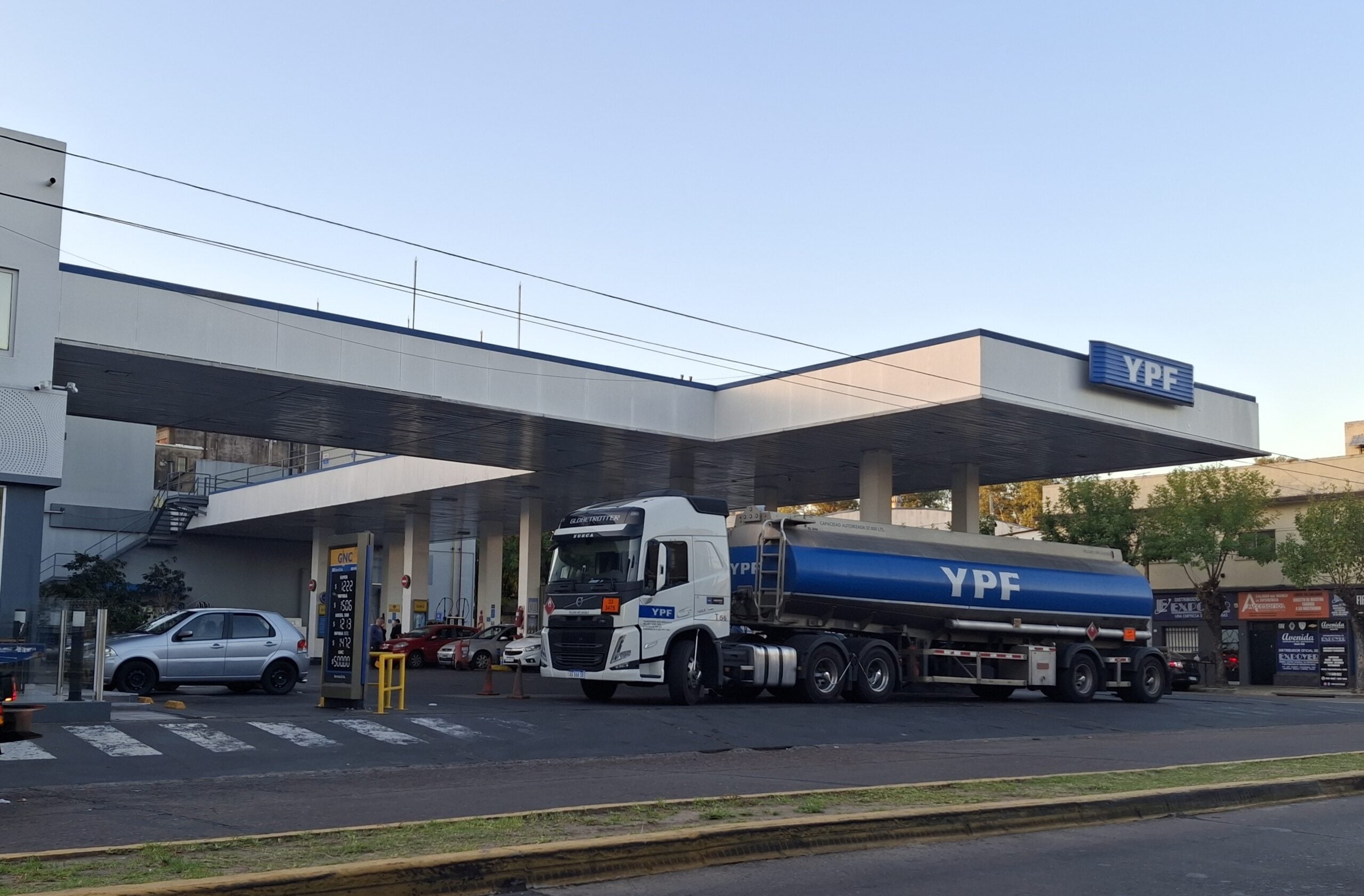
Javier Milei’s next target is the central bank itself: a charter rewrite, urged by the IMF and promised by September, that would make guarding the currency the bank’s single legal duty and require the Senate’s consent to seat or remove its board. It is his boldest institutional move yet, and the market rewarded the ambition. Even Tesla is arriving on his terms — entering Argentina not with a showroom but a charging pact with the state oil firm YPF, staking a claim in the lithium triangle that feeds its batteries.
Chile was named Latin America’s most competitive economy, placing 43rd in the 2026 IMD table, ahead of Argentina, Colombia, Peru and a Mexico dragged down by weaker governance. The report’s message was pointed: credible institutions, not cost or scale, now drive competitiveness. For a country whose politics have felt fractious and whose president polls poorly, it was a reminder of the deeper machinery that keeps it steady.
As the October campaign nears, Brazil got a preview of its uglier side: anonymous pages poured about 1.3 million reais (around $250,000) into hundreds of cheap, hard-to-trace ads attacking Senator Flávio Bolsonaro and São Paulo governor Tarcísio de Freitas, in breach of a ban on anonymous paid politics. At the same time US money kept flowing into the country’s future, with an Ares-backed firm breaking ground on a half-billion-dollar AI data-centre campus near São Paulo. The information war and the infrastructure race, running in parallel.
Tesla confirmed it will start selling cars in Uruguay, wading into a market where China’s BYD already leads — a sign that even the region’s smallest economies are now contested ground in the global race for electric vehicles. For a country that prizes its stability, being courted by the world’s marquee carmakers is a quiet vote of confidence, whatever the noise around its politics.
A week and a half after the June 24 earthquakes, the crisis has not eased so much as settled in: the United Nations still counts about 1.8 million people needing aid, seven days of national mourning are winding down, and relief flows through a bankrupt state leaning on outside help. It has slipped from the front of the world’s mind, but for the families in its crowded shelters the emergency is far from over.
The risk dashboard
Our 1–5 read on the region’s pressure points · higher = more strain
| Country | Score | Pol | Fin | Sec | Mkt | Ext | What’s driving it |
|---|---|---|---|---|---|---|---|
| Venezuela | 4.9 | 5 | 5 | 5 | 4 | 3 | The quake emergency settles into a grinding humanitarian crisis: about 1.8 million still need aid as mourning ends and a bankrupt state leans on outside help. |
| Cuba | 4.8 | 5 | 5 | 4 | 5 | 5 | Blackouts drag on, blamed on tightened US fuel sanctions, with the ageing grid still unable to meet demand. |
| Bolivia | 4.6 | 5 | 5 | 3 | 4 | 4 | Blockades cleared under an army-backed emergency, but a roughly 30% devaluation and IMF talks frame the worst crisis in four decades. |
| Peru | 4.0 | 5 | 3 | 4 | 3 | 3 | A first woman president is proclaimed as courts reclaim the Chinese-run Chancay port, testing the state’s reach before the July 28 handover. |
| Uruguay | 3.9 | 5 | 2 | 2 | 2 | 3 | President Orsi’s approval sits near 20% after the discounted-SUV scandal, even as global carmakers come courting. |
| Colombia | 3.6 | 4 | 4 | 4 | 3 | 4 | A frosty August handover looms as de la Espriella warns of debt and power rationing; the peso jumped on the weak US jobs data. |
| Ecuador | 3.6 | 4 | 3 | 5 | 3 | 3 | A 60-day security state of exception grips ten provinces and cheap oil keeps squeezing an oil-dependent budget. |
| Mexico | 3.3 | 4 | 3 | 4 | 3 | 4 | USMCA slides into permanent annual reviews with tariffs intact, keeping trade uncertainty a fixed feature of the economy. |
| Costa Rica | 3.2 | 3 | 2 | 4 | 2 | 3 | The president’s fight over crime in the Judiciary continues, set against a claimed 15% fall in homicides. |
| Brazil | 3.1 | 4 | 4 | 3 | 2 | 4 | The October race turns dirty online as anonymous ad money surfaces, even as US capital pours into an AI build-out. |
Scale: 1 calm · 2 favourable · 3 mixed · 4 elevated · 5 severe. Pillars: politics, finances, security, markets, outside ties.
A mood read, updated weekly; drivers refreshed daily.
What could lift or darken the mood
If Chile’s institution-first model spreads, Peru’s handover is clean and its courts hold the line on Chinese infrastructure, and Argentina’s reforms bind without breaking, the region turns a contest over the rules into durable, credible ground for investment.
If USMCA’s permanent limbo chills investment, Brazil’s online dark money metastasises before October, and Venezuela’s emergency is quietly abandoned, the sense of a region whose terms are set by others — Washington, Beijing, the markets — only hardens.
What to watch — whether Peru’s Chancay ruling survives appeal, how far Milei’s central-bank plan gets by September, the shape of the USMCA annual reviews, and Peru’s proclamation of Fujimori. These are our editorial reads, not investment advice.
The briefing · 12 things worth knowing
- Washington let USMCA slide into annual reviews. Rather than renew the pact for sixteen years, the US dropped it into yearly talks to 2036, leaving nearly $2 trillion in trade under permanent negotiation with tariffs intact.
- A Lima court reclaimed China’s Chancay port. Peru’s regulator won full oversight as Cosco Shipping’s challenge was thrown out — the operator’s second courtroom setback in the country.
- Milei aimed at the central bank. He will move, at the IMF’s urging and by September, to rewrite its charter so guarding the currency is its sole legal duty.
- Tesla entered Argentina and Uruguay. Its Argentine debut is a charging deal with state oil firm YPF, not car sales, on turf where China’s BYD already leads.
- Chile was named the region’s most competitive economy. It placed 43rd on the 2026 IMD list, ahead of its neighbours, on the strength of its institutions.
- Anonymous money hit Brazil’s right online. Hidden pages spent about R$1.3m ($250,000) on ads attacking Flávio Bolsonaro and Tarcísio de Freitas, against the law.
- US capital broke ground on Brazilian AI. An Ares-backed firm began a roughly $516 million data-centre campus near São Paulo, targeting cloud and AI users.
- Peru readies to proclaim Fujimori. The first elected woman president is due to be formally proclaimed, days before the July 28 handover.
- Genneia filed Argentina’s first US IPO since 2019. The power firm’s move signalled thawing appetite for Argentine assets.
- A weak US jobs report set the global mood. Just 57,000 jobs, about half of forecasts, cooled fears of higher US rates and lifted emerging markets.
- Guyana’s oil bonanza hit a snag. Two of the three partners in its fields have put in no cash for two years, straining the boom.
- Football rolled on. Portugal, Switzerland and Spain reached the last 16, with Argentina and Colombia playing their last-32 ties today.
Culture & society
The region as a proving ground. From Tesla’s arrival against BYD to US money breaking ground on AI data centres near São Paulo, the world’s biggest players are treating Latin America as contested territory for the technologies of the next decade. The lithium under Argentina and the power grids of Brazil have quietly become strategic prizes.
Institutions as destiny. Chile’s crowning as the region’s most competitive economy carried a lesson its neighbours are relearning the hard way: that credible courts and rules, more than cheap labour or raw scale, are what draw and keep capital. It is the same logic Peru’s judges invoked in reclaiming the Chancay port.
The information war opens early. Brazil’s anonymous ad campaign is a warning shot for an October vote that will be fought as much online as on the stump, a reminder that the region’s democracies are being tested by money that hides its face — even as, on the pitch, Argentina and Colombia give their fans a cleaner kind of contest today.
The week ahead
Five things that will move the region’s mood
Frequently Asked Questions
It means permanent uncertainty. Rather than renew the pact for another sixteen years, Washington let it drop into yearly reviews that run until it expires in 2036, so nearly two trillion dollars in North American trade now sits under constant negotiation.
Tariffs on Mexico and Canada stay in place until the US trade deficit narrows, with steel and aluminium the hardest to unwind, and while Mexico is at the table, talks with Canada have barely begun.
Because it is about who ultimately controls strategic infrastructure. A Lima appeals court gave Peru’s regulator full oversight of the Chinese-run Chancay port, overturning an earlier decision and holding that a privately built port for public use still answers to the state.
It is the second courtroom setback for the operator, Cosco Shipping, and a signal that the region is growing warier of the terms attached to Beijing’s megaprojects.
He wants to rewrite the rules that govern it. Under a plan pressed by the IMF and promised by September, the bank’s single legal duty would become guarding the value of the currency, undoing a 2012 change that broadened its mandate, and a version under study would require the Senate’s consent to appoint or remove its board.
The aim is to lock in low inflation beyond his own term; the risk is concentrating a fight over monetary policy into a single, contested law.
For its institutions, not its size. Chile placed 43rd in the 2026 IMD competitiveness table, ahead of Argentina, Colombia, Peru and a Mexico weighed down by weaker governance, and the report argued that credible courts and rules now matter more than cheap labour or scale.
It is a striking verdict for a country whose politics have felt turbulent and whose president polls below forty percent, a reminder that the deeper machinery can outlast the noise.
Because it makes the region a front in the global electric-vehicle race. Tesla confirmed it will sell in Uruguay and enter Argentina, where China’s BYD already leads, and its first Argentine step is a charging and battery pact with the state oil firm YPF rather than a showroom.
The real prize is the lithium triangle beneath Argentina, Chile and Bolivia that feeds the batteries — which turns a consumer launch into a contest over who controls the raw materials of the future.
Read & watch
- ReadWhy Washington let USMCA slide into annual reviews — and how it reshapes the hemisphere’s trade map.
- WatchWhether Peru’s Chancay ruling survives appeal, and how Beijing responds to a second courtroom loss.
- ReadOur report on Milei’s plan to rewrite the central bank’s charter by September.
- WatchPeru’s proclamation of Keiko Fujimori and the road to the July 28 handover.
- ReadHow Tesla’s YPF pact opens a new front in the lithium-triangle contest with China.
Companion: today’s Latin America Power Map (PDF) — our full daily dossier on who holds power across the region.
Sources & method. This Pulse is a portrait of the region’s mood, drawn from The Rio Times’ July 2 and July 3 reporting and the regional wires: Washington letting USMCA slide into annual reviews; a Lima court handing the state oversight of the Chinese-run Chancay port; Milei’s plan to rewrite the central bank’s charter; Tesla’s entry into Argentina and Uruguay against BYD; Chile topping the 2026 IMD competitiveness table; the anonymous ad campaign against Brazil’s right; the Ares-backed AI data-centre near São Paulo; Peru’s coming proclamation of Keiko Fujimori; and Venezuela’s continuing earthquake emergency. The market tape uses Thursday, July 2 closes from our market data (Ibovespa 172,788, Merval about 3.16 million, IPC 67,071, IPSA 10,793, COLCAP 2,260), with USD/BRL (about R$5.21), the S&P 500 (about 7,483) and oil (WTI near $67) from our July 3 pre-open and morning call, on a day a soft US jobs report cooled rate fears. The 1–5 risk scores are The Rio Times’ own weekly read. Editorial analysis, not investment advice.
This article was produced by The Rio Times’ automated AI newsroom. Editorial responsibility: Matthias Camenzind, Publisher and Editor-in-Chief. The Rio Times also runs Ask Rio Times, which answers from 100,000+ of our own articles, the daily Latin America Power Map, and prediction-market odds on elections and markets.. How we use AI · Report an error
Read More from The Rio Times