Kenya Unveils Plan Against Illicit Trade
Kenya has put a price on illegal business and a seven-part plan to fight it, but the headline figure comes without a year or a method.

Economy: Kenya
Kenya’s State Department for Trade, a unit of the Kenyan government, launched a national report on illegal business in Mombasa, Kenya’s main port city, on Wednesday 18 November 2026. The Department cites a yearly cost of about 826 billion Kenyan shillings (about US$6.4 billion at 129.93 shillings per US dollar, the 19 November 2026 market rate).
That equals 9.3% of Kenya’s gross domestic product (GDP), the value of everything the economy produces. The list reaches from fake goods and dirty money to scams that hit visitors and investors, and it follows our earlier report on illicit money flows in Kenya.
Key Facts
- Who. Kenya’s State Department for Trade, a unit of the Kenyan government, proposed the seven-pillar framework.
- What. A national report on illicit trade was launched in Mombasa on Wednesday 18 November 2026.
- Cost. About 826 billion Kenyan shillings (US$6.4 billion) a year, equal to 9.3% of GDP.
- Scope. Money laundering, fake goods, diverted medicines, wildlife trafficking and human trafficking are all named.
- Unknown. The same figures appear in a 2018 survey by Kenya’s fake-goods regulator, so they may be old.
Kenya has put a price on illegal business and a seven-part plan to fight it, but the headline figure comes without a year or a method.
The Big Picture
Kenya joined the grey list, a watchlist of countries with weak controls against dirty money, of the Financial Action Task Force (FATF), the global anti-money-laundering watchdog, in February 2024. The launch comes as Kenya works to leave that list.
The report ties illicit trade to money laundering, which means disguising criminal money as legitimate. The government says counterfeit and substandard goods threaten human health, security and the environment.
“Wash wash” is the popular Kenyan name for confidence tricks in which fraudsters offer to “clean” fake or stained banknotes or sell fake gold and other goods. The assessment’s list of problems is wider than these scams.
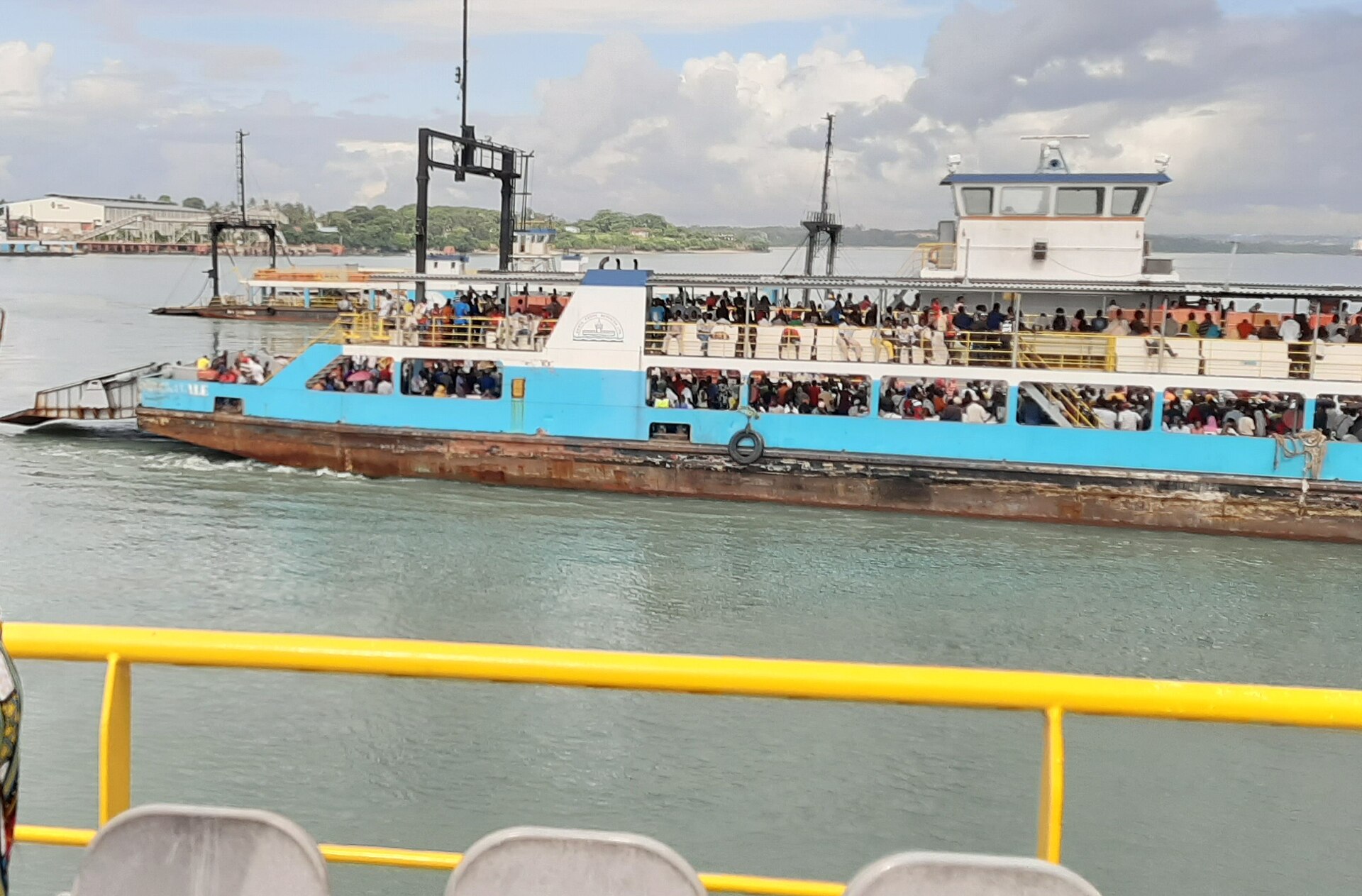
What Happened in Mombasa
The State Department for Trade launched the report in Mombasa on Wednesday 18 November 2026, under the title “National Assessment of Illicit Trade in Kenya: Trends, Effects and Strategic Responses”. It proposed a seven-pillar national framework against illicit trade.
The assessment names money laundering, counterfeit and substandard goods, and diversion of controlled medicines. It also lists reuse of packaging materials, trafficking in wildlife trophies and natural resources, and human trafficking and labour exploitation.
What the Framework Proposes
The measures start with stronger coordination among state agencies and better data collection and intelligence sharing. They also call for risk-based enforcement and market surveillance, plus technology to trace goods through supply chains.
The framework adds tough legal action, including disrupting financial networks and money laundering, and new laws in specific sectors. It also seeks closer work with businesses, communities, regional partners and international organisations.
The Department presents the framework as the follow-up to the report’s findings. In its words, effective implementation “will be instrumental in translating the report’s recommendations into concrete action.”
Why It Matters
Legitimate Kenyan manufacturers and importers are among those affected, as are consumers exposed to counterfeit medicines. The Department cites a yearly cost of about 826 billion Kenyan shillings (about US$6.4 billion) in the report launched on 18 November 2026.
What Is Not Known
The launch statement gives no reference year, method or breakdown for the 826 billion shilling figure. The same 826 billion shilling and 9.3% figures appear in the 2018 baseline survey of the Anti-Counterfeit Authority (ACA), Kenya’s fake-goods regulator, so they may be old.
Also unknown are the timeline for the seven pillars, any new laws and their dates, the budget, and who leads enforcement. The Department named no statute, and no minister was quoted.
What It Means for You
Legitimate Kenyan manufacturers and importers, and consumers who buy medicines, are the people most directly affected. The report names counterfeit and substandard goods and diverted medicines among the harms.
Fraud of the “wash wash” kind is one of the harms the wider debate covers. The framework gives no dates, so its practical effect is still unclear.
Frequently Asked Questions
What did Kenya announce on 18 November 2026?
The State Department for Trade launched a national assessment of illicit trade in Mombasa. It proposed a seven-pillar national framework against illicit trade.
How much does illicit trade cost Kenya?
The Department cites about 826 billion Kenyan shillings a year (about US$6.4 billion), or 9.3% of GDP. The same figures appear in a 2018 survey by Kenya’s fake-goods regulator, so they may be old.
What is “wash wash”?
It is the popular Kenyan name for confidence tricks that offer to “clean” fake or stained banknotes or sell fake gold. The assessment’s list of problems is wider than these scams.
Sources
Published Thursday 19 November 2026 · Source: State Department for Trade statement and the “National Assessment of Illicit Trade in Kenya” launched 18 November 2026.
Connected Coverage
Kenya news · Kenya Loses Billions to Illicit Money Flows · Kenya Targets First Oil Export on 1 December
This article was produced by The Rio Times’ automated AI newsroom. Editorial responsibility: Matthias Camenzind, Publisher and Editor-in-Chief. The Rio Times also runs Ask Rio Times, which answers from 100,000+ of our own articles, the daily Latin America Power Map, and prediction-market odds on elections and markets.. How we use AI · Report an error