Jorge Luis Borges 40 Years On: Argentina’s Global Homage
Argentina · Culture
Key Facts
—The anniversary. 2026 marks 40 years since the death of Jorge Luis Borges, who died on 14 June 1986 in Geneva.
—The scale. Tributes have run through the year in libraries, museums, cultural centres, theatres and bookshops.
—The forms. They range from exhibitions and talks to performances, and even a ballet.
—The reach. Commemorations extend across Argentina and into other countries.
—The legacy. Four decades on, his labyrinths and paradoxes remain a touchstone of world literature.
Four decades after his death, one of the twentieth century’s defining writers is everywhere again. Borges 40 years on has become a year-long occasion, with tributes to Jorge Luis Borges filling cultural calendars across Argentina and beyond.
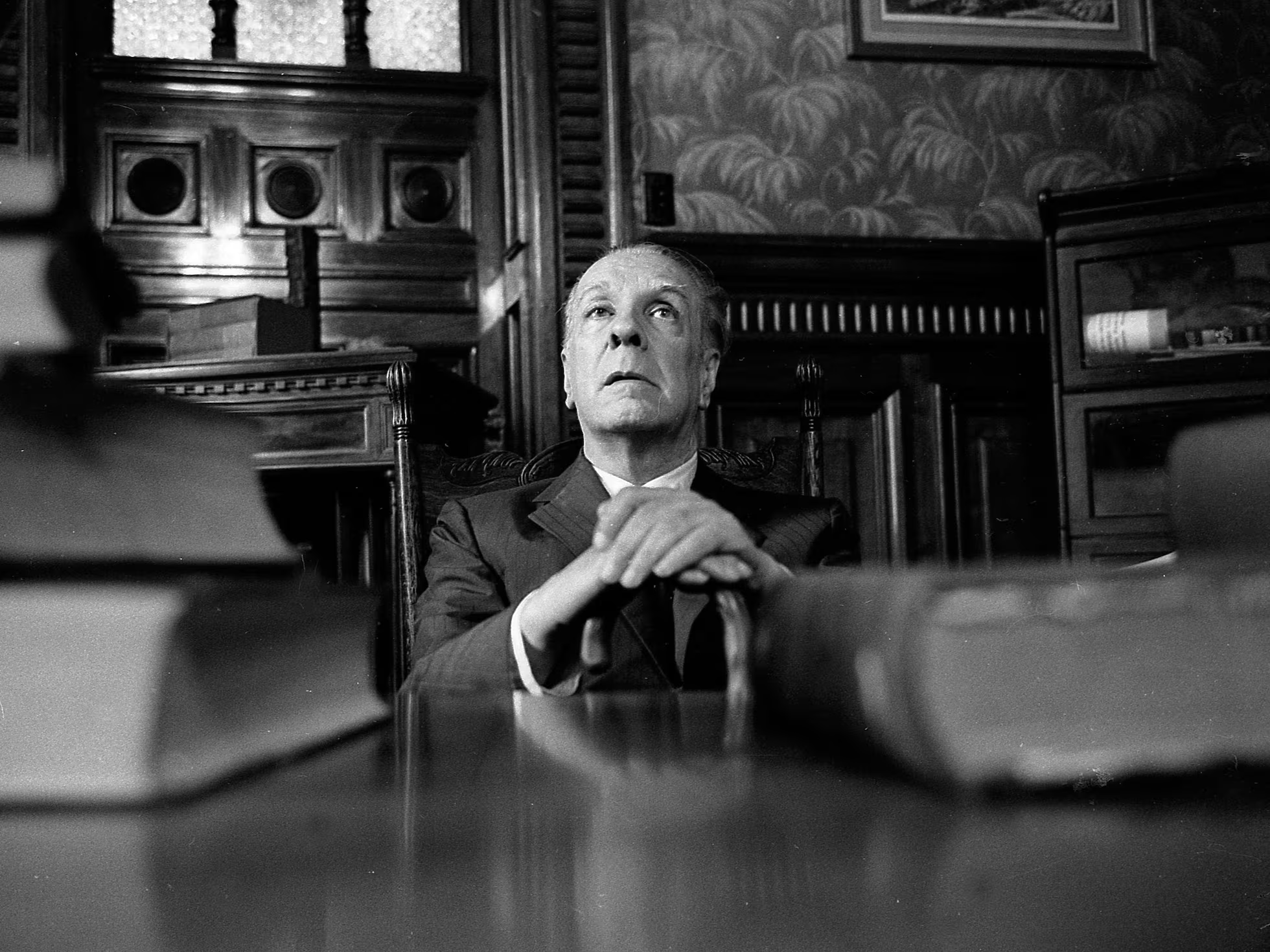
Borges died on 14 June 1986 in Geneva, and the 40th anniversary has been marked not with a single event but a sustained wave of them, as La Nación reported. The International Jorge Luis Borges Foundation has noted that commemorations continue throughout the year.
Tributes in many forms
The homages have taken shape in libraries, museums, cultural centres, theatres and bookshops, from straightforward exhibitions and talks to performances that translate his work into other art forms, including a ballet. The variety is fitting for a writer whose influence reaches well beyond the page.
Buenos Aires has been the centre of gravity, but the commemorations spill across borders, a measure of how thoroughly Borges belongs to world literature rather than to Argentina alone.
For a foreign reader, it helps to understand that Borges occupies a singular place in Argentina’s cultural identity. He is at once a source of immense national pride and a figure whose cosmopolitan, European-influenced outlook sometimes sat uneasily with local literary traditions.
That tension has only deepened the fascination around him.
The decision to stage a ballet, for instance, is not a random flourish. Borges’s writing is intensely visual and rhythmic, full of precise, almost choreographed movements through imagined spaces.
Translating that into dance is a logical extension of how artists have long responded to his work, treating his stories less as fixed texts than as scores for new performances.
Why he still matters
Borges reshaped how fiction could work, compressing entire philosophies into a few pages of labyrinths, mirrors and infinite libraries. His paradoxes anticipated debates about memory, identity and information that feel strikingly contemporary in a digital age.
For readers discovering him now, the anniversary is a natural invitation. For those who know him, it is a reminder that his puzzles have not been solved so much as inherited.
Part of what keeps Borges alive across generations is his brevity. He never wrote a novel.
His most famous works are short stories and essays that can be read in a single sitting, yet they leave a reader turning the same pages again for years. That economy makes him unusually accessible in a world of fractured attention spans.
His themes also travel well. Questions about whether reality is a dream, whether a library can contain the universe, or whether a person can be both the author and the character of their own life are not bound by language or geography.
They explain why his work has been taken up so eagerly by philosophers, mathematicians and computer scientists, not only by literature departments.
The international dimension of the tributes underscores another layer of his legacy. Borges spent his final years in Geneva, the city where he had studied as a young man and where he chose to be buried.
That choice itself remains a subject of quiet debate among Argentines, adding a personal mystery to the literary ones.
Looking ahead, the open question is how these commemorations might shape the next phase of Borges scholarship and readership. Will the year of tributes bring fresh translations of his lesser-known essays into languages where they have been unavailable?
Could the ballet and other performances seed a broader wave of adaptations in film or theatre? And as Argentina navigates its own cultural and economic challenges, will the anniversary reinforce Borges as a unifying figure or reopen older arguments about his political silences and his expatriate death?
None of these questions have settled answers, but they are precisely the kind of looping, reflective inquiries that Borges himself would have enjoyed.
Frequently Asked Questions
When did Borges die?
Jorge Luis Borges died on 14 June 1986 in Geneva, Switzerland. The year 2026 marks the 40th anniversary of his death.
How is the anniversary being marked?
With year-long tributes in libraries, museums, cultural centres, theatres and bookshops across Argentina and other countries, including exhibitions, talks, performances and a ballet.
Why is Borges still influential?
His compact, philosophical fictions, built on labyrinths, mirrors and infinite libraries, reshaped modern literature and anticipated debates about memory, identity and information that resonate today.
Connected Coverage
Angela Davis Joins FLIP in Paraty, Brazil’s Biggest Book Festival
Read More from The Rio Times