
IVORY COAST · ENERGY
Key Facts
- Who Ivory Coast’s Senate economic and finance committee; Adama Coulibaly is the Economy Minister.
- What The Senate website lists a session on three tax and energy bills; Ivorian press reports say the committee approved them.
- When Friday, 6 November 2026, in Yamoussoukro; no full Senate vote has been announced.
- Why The bills cover a US power grant body and a 9% value added tax (VAT) on farm inputs.
- As of Sunday, 8 November 2026, 08:00 UTC.
An Ivorian Senate committee has reportedly backed three tax and energy bills, including one on a US power grant body, but we have not seen the texts or an official Senate statement of the result.
The Senate’s website lists a committee session on Friday, 6 November 2026, on three tax and energy bills, and reports from Ivorian press say the committee approved them. The economic and financial affairs committee met in Yamoussoukro, the country’s political capital.
The bills reportedly ratify ordinances, government decrees that are already in force, so the full Senate would still have to vote. Economy, Finance and Budget Minister Adama Coulibaly reportedly presented them.
What the Three Bills Ratify
The first bill amends article 411 of the General Tax Code, the country’s main tax rulebook. It redirects part of a levy called TSDAR (Taxe de Soutien au Développement de l’Activité de Raffinage, a refining support tax created in 2018) to electricity investment and grid extension.
TSDAR was introduced to help restructure the debt of SIR, the Ivorian state refinery. That loan was fully repaid in June 2025, which frees the money for other uses.
The second bill ratifies the creation of MCA-CI Regional (Millennium Challenge Account, Ivory Coast Regional), a body that will run a regional energy compact, meaning a multi-year US grant agreement, with the Millennium Challenge Corporation, a US government aid agency. The compact provides up to US$300 million from the US agency and at least US$22.5 million from Ivory Coast.
The US share of up to US$300 million is about 168 billion CFA francs, the West African currency, at roughly 560 francs per US$. The money aims to boost power trade between West African countries and to build a modern electricity sector.
The US agency and Ivory Coast signed the compact in September 2025, on 10 September and 16 September respectively. It follows an earlier compact of about US$524 million that ended in August 2025.
Why the Farm VAT Rate Matters
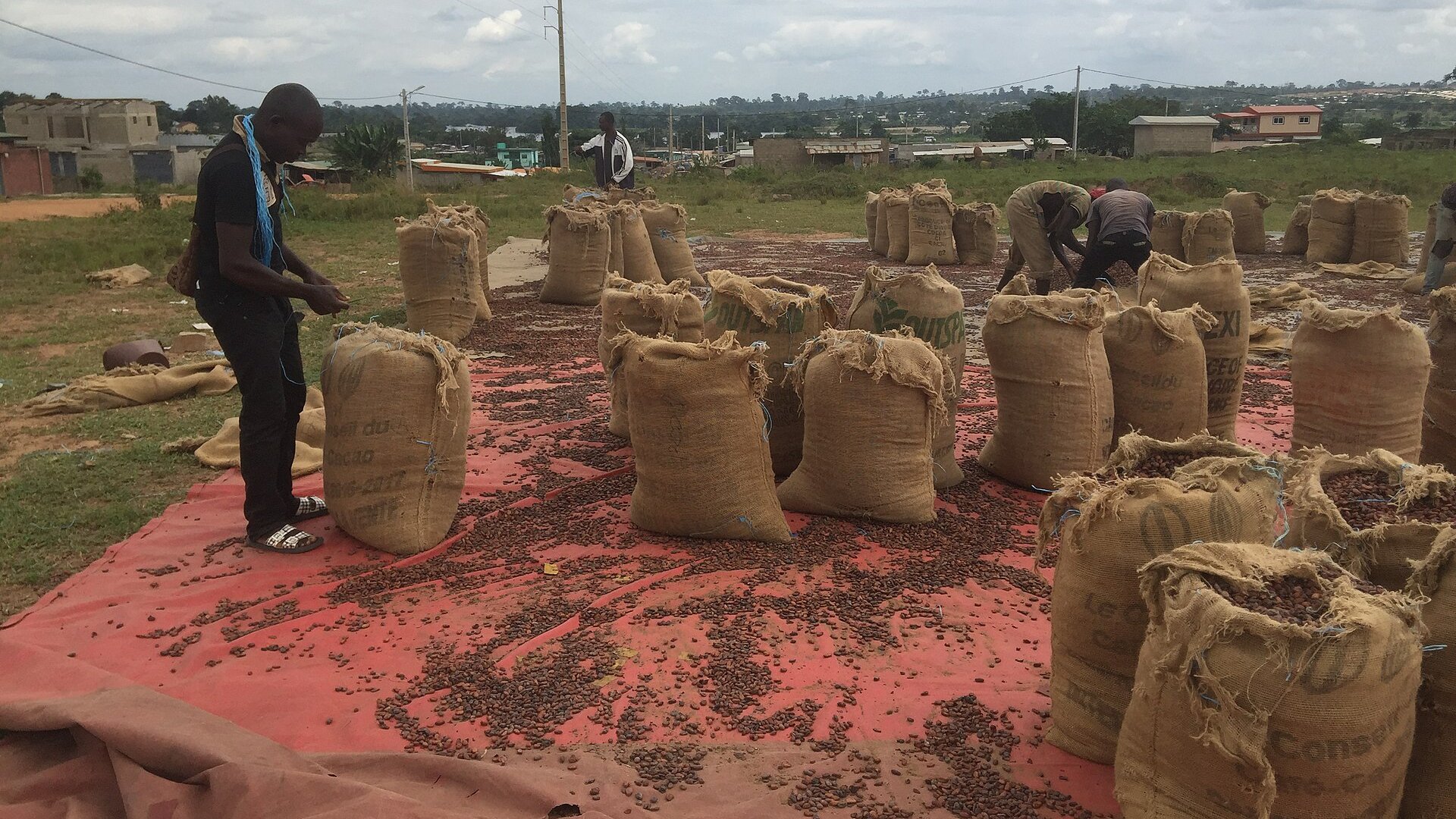
The third bill ratifies a reduced value added tax (VAT) rate of 9% instead of the normal 18% on goods and operations in farming and poultry. VAT is a sales tax charged at each step of production, and the rate covers jute and sisal fibres, animal feed and some other farm inputs.
The 9% rate has applied since January 2026 by ordinance, so ratification would confirm a rule already in force. Ivory Coast is the world’s largest cocoa producer, so farm costs matter far beyond its borders.
The finance ministry said the reduced rate limits the impact on production costs and consumer prices. Related reading: Ivory Coast’s economy, Ivory Coast and the global money-laundering watchlist and the 2025 budget deficit.
What It Means for You
The Millennium Challenge Corporation is a US government agency, so the grant is American aid money aimed at the power grid of a major trading partner. Investors in West African utilities and cocoa-linked companies may watch whether regional power trade lowers business costs.
Chocolate makers and food buyers should not expect an immediate price effect, because the VAT rate applies to inputs inside Ivory Coast. Any change in farm costs would take time to show up.
What Is Not Known
We have not seen the full text of the bills or an official Senate statement of the committee’s result, which rests on Ivorian press reports. The date of the full Senate vote has not been announced.
The material we saw puts no figure on the revenue cost of the 9% rate, or on the share of TSDAR that goes to the grid. The timetable for the first projects under MCA-CI Regional is also unpublished.
More: Ivory Coast news in English, every day from The Rio Times.
Frequently Asked Questions
What did Ivory Coast’s Senate committee approve?
Ivorian press reports say it approved three ordinances on Friday, 6 November 2026, though we have not seen an official Senate result. They cover a refining levy for electricity, a US power grant body and a 9% VAT rate on some farm goods.
What is the VAT rate on Ivorian farm inputs?
The rate is 9% on goods such as animal feed and some other farm inputs, against the normal 18%. It has applied since January 2026 by ordinance.
How much money is in the US energy compact with Ivory Coast?
The US Millennium Challenge Corporation provides up to US$300 million, and Ivory Coast adds at least US$22.5 million. The money aims to support power trade between West African countries.
Sources: Ivory Coast Senate website, listing of the economic and financial affairs committee session of 6 November 2026; Ministry of Economy, Finance and Budget of Ivory Coast; US Millennium Challenge Corporation, Côte d’Ivoire country page.
This article was produced by The Rio Times’ automated AI newsroom. Editorial responsibility: Matthias Camenzind, Publisher and Editor-in-Chief. How we use AI · Report an error