Israel Seizes Strategic High Ground as Syria’s Power Vacuum Grows
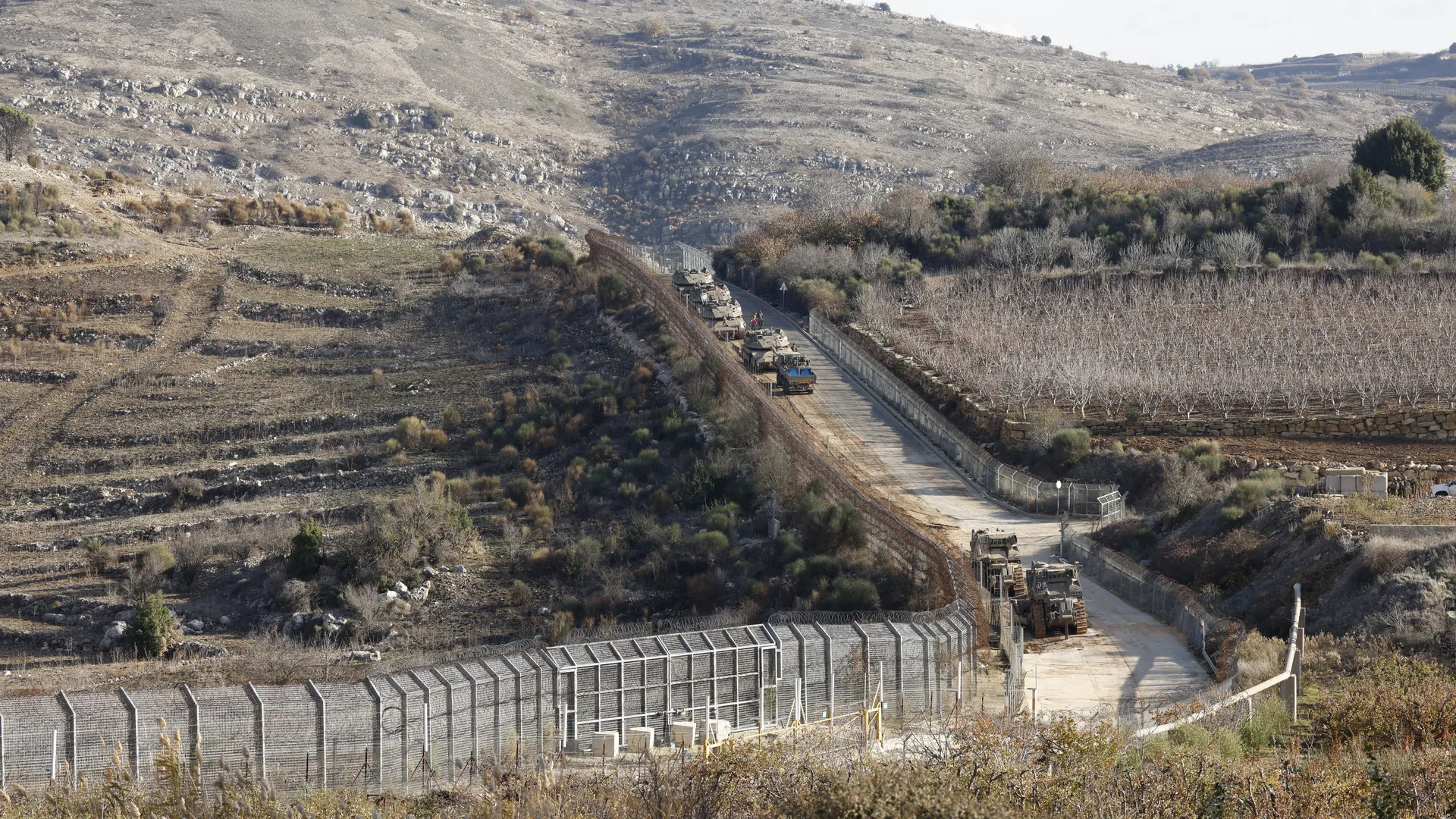
The fall of Syria’s Assad regime has triggered a swift Israeli military expansion into the Golan Heights’ buffer zone. This strategic move doubles Israel’s control over one of the Middle East’s most vital geographic positions.
The Golan Heights offers commanding views of Damascus just 60 kilometers away. This rocky plateau serves as a natural fortress, controlling vital water resources and providing exceptional military observation points.
For decades, this 1,000-square-kilometer region has been split between Israeli and Syrian control, with a UN-monitored buffer zone keeping peace. Netanyahu declared the 1974 UN disengagement agreement void after Syrian government forces abandoned their posts.
Israeli troops quickly moved to secure the buffer zone and Mount Hermon, establishing new military positions. Defense Minister Israel Katz ordered the immediate fortification of these positions, signaling a long-term presence.
The Israeli government approved a $11 million plan to expand settler communities in the region. About 31,000 Israeli settlers currently live in the occupied territories.
This development comes as Israel negotiates a potential Gaza ceasefire, adding another layer of complexity to regional dynamics. The UN has labeled Israel‘s actions as “severe violations” of the ceasefire agreement.
Saudi Arabia condemned the expansion plans, warning they could destabilize Syria’s transition. Meanwhile, the U.S., under President-elect Trump, appears supportive of Israel’s position.
Netanyahu frames this occupation as temporary, yet his government’s actions suggest otherwise. “We will not permit any hostile entity to establish a foothold along our border,” he stated.
In short, this stance reflects Israel’s broader strategy of securing its frontiers amid regional upheaval.
This article was produced by The Rio Times’ automated newsroom system. How we use AI · Report an error
Read More from The Rio Times