Iron Ore’s Surge Buffers the Real Against a Slipping Dollar
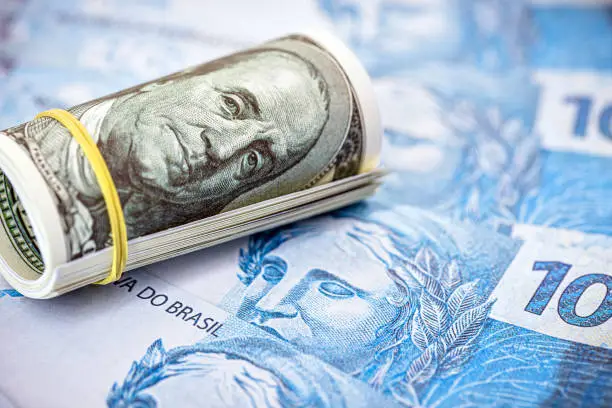
On Thursday, the U.S. dollar experienced a subtle decline against the Brazilian real, ending the day at 5.13 reais.
This dip came amidst a broader strengthening in global currency markets but was specifically influenced by significant developments in the iron ore sector.
Positive movements in iron ore prices buoyed the strength of the real, a crucial export commodity for Brazil.
The dollar initially dropped sharply as news emerged that the Federal Reserve might consider two interest rate cuts in 2024.
This possibility, combined with robust gains in the international iron ore market, created favorable conditions for the real.
In the futures market, the story was similar, with the near-term dollar contract decreasing by 0.05%, closing at 5,137 points.
Meanwhile, the Brazilian Central Bank took proactive measures by auctioning 12,000 traditional swap contracts to manage financial obligations due in July 2024.
The dollar’s shift also correlated with strategic economic moves in China, Brazil’s major trading partner and key iron ore consumer.
Chinese Real Estate Policy and Iron Ore Demand
Chinese authorities are reportedly considering purchasing unsold real estate to boost domestic markets. This action indirectly supports iron ore demand and, subsequently, the real.
Notably, the most traded iron ore futures for September on the Dalian Commodity Exchange in China closed the day up by 2.56%. The price reached 881 yuan ($122.09) per ton.
By the end of the trading day, commercial and tourist exchange rates for the dollar reflected the broader economic narrative, with tourism rates reaching up to 5.337 reais.
These day’s activities underline the interconnected nature of global financial and commodity markets.
They illustrate how international economic policies and market demands directly impact currency valuations.
This article was produced by The Rio Times’ automated newsroom system. How we use AI · Report an error
LatAm Markets: Live Signals → — real-time movers, turnover leaders and FX across Latin America.
Read More from The Rio Times