Iran’s Election: A Moment of Decision Amidst Voter Apathy
On June 28, Iran will conduct a presidential election in a moment filled with national reflection and subdued anticipation.
The unexpected death of President Ebrahim Raisi catalyzed this early election, setting the stage for an unusual electoral season.
Six candidates, cleared by Iran’s rigorous vetting process, stand ready to campaign for the highest office. Notable figures like Mohammad Baqer Qalibaf and Saeed Jalili are among them.
Yet, beneath the surface of electoral proceedings, there is a palpable sense of apathy among the electorate.
Polls and expert analyses suggest that a majority—up to 65%—of eligible voters may abstain from casting their ballots.
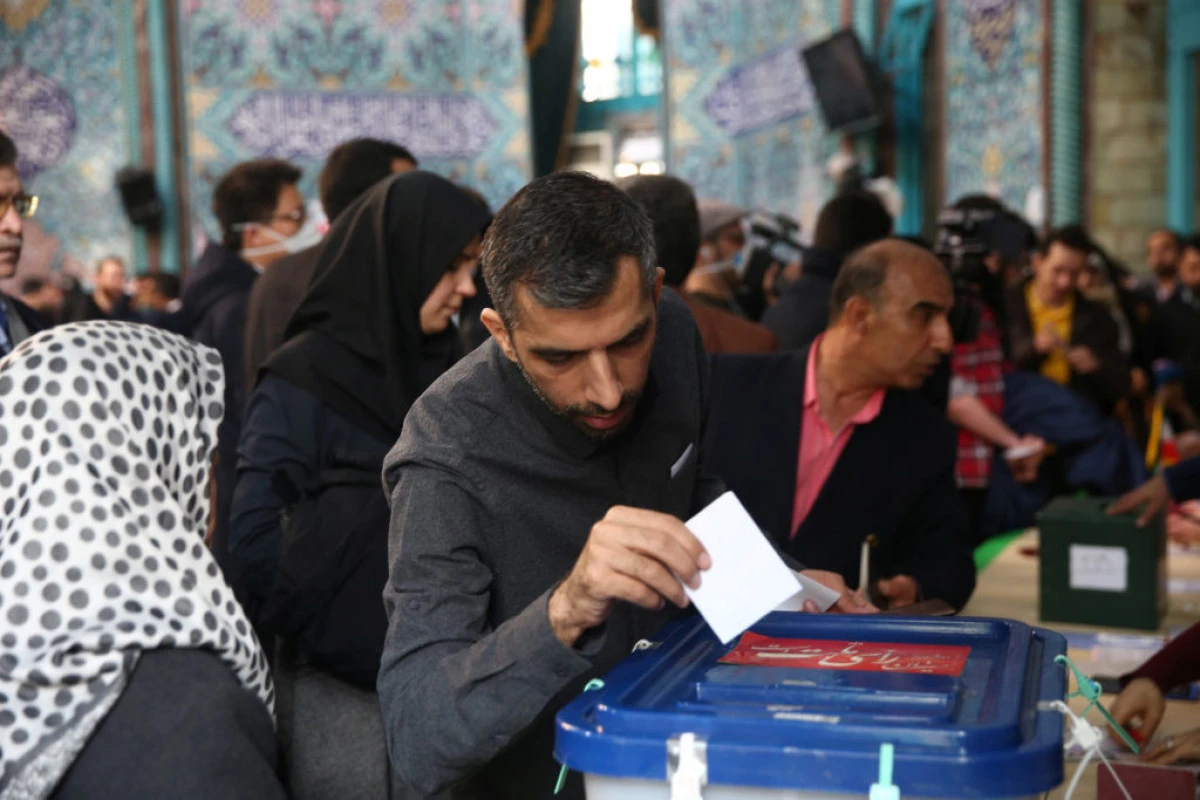
This significant voter disinterest is rooted in a mixture of economic dissatisfaction and doubts about the efficacy of their vote in bringing about meaningful change.
In addition, security is a paramount concern this election cycle, with over 170,000 personnel deployed to ensure the process unfolds without incident.
This robust security arrangement underscores the government’s keenness to maintain order and legitimacy during this pivotal time.
The backdrop to this election is complex and multifaceted. Iran faces substantial economic challenges, from sanctions to internal mismanagement.
However, these factors have eroded public trust and dampened hopes for rapid improvement. The candidates have each laid out their visions, aiming to address these pressing issues.
Yet, the public’s disillusionment is apparent, with many feeling that the choices available will not lead to substantial policy shifts.
In short, the election is less about the immediate outcomes of the polls and more about the broader implications for Iran‘s political stability and future direction.
Will this election be a turning point toward addressing the public’s grievances, or will it simply reaffirm the existing political structures that many feel are inadequate?
This article was produced by The Rio Times’ automated newsroom system. How we use AI · Report an error
Read More from The Rio Times