Iran’s Unexpected Election: A New President Amidst Uncertainty
Iran will hold new presidential elections on June 28 following the unexpected death of President Ebrahim Raisi in a helicopter crash.
This tragic event has created significant political turbulence, with analysts predicting low voter interest and the exclusion of reformist candidates.
Ebrahim Raisi, elected in June 2021, faced heavy criticism and low voter turnout during his term.
Earlier this year, parliamentary elections saw historically low participation, reflecting widespread dissatisfaction.
Raisi’s death is unlikely to change Iran’s broader policy direction. He was a controversial figure, involved in past political crackdowns.
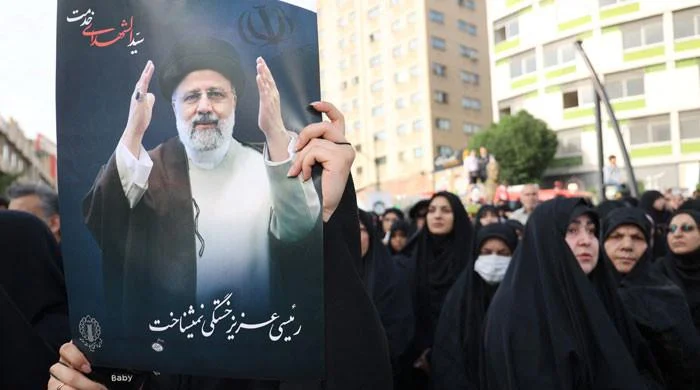
The upcoming elections highlight Iran’s deep political divides. Reformist candidates are again excluded, narrowing the field to regime-aligned contenders.
This exclusion fuels voter apathy, as many Iranians believe their votes won’t bring meaningful change.
Opposition parties and reformist groups criticize the electoral process, citing a lack of transparency and competition.
They argue that the elections are rigged to maintain the status quo. The Guardian Council, which approves candidates, allowed only a few out of hundreds of applicants.
This controlled environment has led to voter disillusionment, with many choosing to boycott the elections.
Iran’s Upcoming Presidential Election
Experts believe the election could be a prelude to a larger power struggle, especially after the death of Iran’s Supreme Leader, Ayatollah Ali Khamenei.
The political climate suggests increased domestic pressure and potential protests.
Analysts say this scenario could reignite broader anger towards the regime, highlighting that the presidency has limited power to enact real change.
In addition, Iran’s upcoming presidential election is set against a backdrop of unrest and dissatisfaction.
While the regime aims to show stability, the controlled electoral process and low public engagement suggest a challenging future.
This election will shape Iran’s political landscape and could significantly impact the country’s direction and governance.
The situation remains tense, with the potential for intensified protests and increased domestic pressure on the regime.
This article was produced by The Rio Times’ automated newsroom system. How we use AI · Report an error
Read More from The Rio Times