IBOV 185,146.69 ▼ 0.26% IPSA 11,289.90 ▼ 0.71% IPC MEX 64,814.97 ▼ 0.39% MERVAL 3,107,396 ▼ 0.09% COLCAP 2,580.41 ▼ 0.14% BVL PERÚ 60,702.89 ▼ 1.24% USD/BRL5.10▼ 0.19% USD/MXN16.97▲ 0.43% USD/CLP938.27▲ 1.14% USD/COP3,084▼ 1.05% USD/PEN3.37▲ 0.34% USD/ARS1,512▼ 0.12% USD/UYU40.24▲ 3.05% USD/PYG5,868▲ 2.26% USD/BOB12.36▲ 1.91% USD/DOP58.63▲ 0.22% USD/CRC447.58▲ 1.69% USD/GTQ7.63▲ 3.04% USD/HNL26.85▲ 0.57% USD/NIO36.62▲ 0.34% USD/VES825.67▼ 0.13% USD/PAB1.00— 0.00% USD/BZD2.00— 0.00% USD/JMD 157.28 — 0.00% USD/TTD6.73▲ 2.40% EUR/BRL5.93▲ 0.38% BRENT 88.88 ▼ 0.03% WTI 83.11 ▼ 0.11% IRON ORE 161.91 — — COPPER 6.61 ▲ 0.03% GOLD 4,461 ▲ 1.78% SILVER 65.59 ▲ 1.26% SOY 1,184 ▲ 3.20% CORN 480.50 ▲ 10.02% WHEAT 655.00 ▲ 3.93% COFFEE 317.25 ▼ 5.51% SUGAR 16.43 ▼ 1.79% ORANGE JUICE 138.55 ▼ 0.47% COTTON 85.03 ▲ 2.33% COCOA 5,719 ▲ 3.18% BEEF 223.60 ▼ 3.93% CATTLE 339.10 ▼ 3.16% LITHIUM 75.20 ▲ 1.47% PETR4 41.64 ▼ 0.05% VALE3 72.97 ▲ 0.83% ITUB4 38.60 ▼ 1.03% BBDC4 16.85 ▲ 0.36% ABEV3 14.89 ▼ 0.80% BBAS3 19.37 ▲ 0.47% B3SA3 14.26 ▼ 0.21% WEGE3 47.59 ▲ 0.49% PRIO3 59.14 ▼ 0.19% SUZB3 41.33 ▲ 2.35% RENT3 34.68 ▼ 0.09% AZZA3 15.89 ▼ 2.63% CSAN3 3.22 ▼ 1.83% RAIZ4 0.25 — 0.00% PCAR3 2.75 ▼ 0.36% GMAT3 3.65 ▼ 1.08% PSSA3 48.13 ▼ 0.54% CVCB3 1.33 ▼ 2.92% POSI3 3.36 ▲ 2.44% SLCE3 13.34 ▲ 0.30% NATU3 8.14 ▼ 0.73% IBOV 185,146.69 ▼ 0.26% IPSA 11,289.90 ▼ 0.71% IPC MEX 64,814.97 ▼ 0.39% MERVAL 3,107,396 ▼ 0.09% COLCAP 2,580.41 ▼ 0.14% BVL PERÚ 60,702.89 ▼ 1.24% USD/BRL 5.16 ▲ 0.01% USD/MXN 17.06 ▼ 0.24% USD/CLP 913.98 ▲ 0.04% USD/COP 3,140 ▲ 0.03% USD/PEN 3.36 ▼ 0.66% USD/ARS 1,493 ▲ 0.10% USD/UYU 40.27 ▲ 1.24% USD/PYG 5,939 ▲ 1.68% USD/BOB 11.64 ▼ 0.76% USD/DOP 58.34 ▲ 1.25% USD/CRC 445.92 ▲ 0.89% USD/GTQ 7.62 ▲ 2.21% USD/HNL 26.79 ▲ 1.57% USD/NIO 36.62 ▲ 0.69% USD/VES 762.44 ▼ 0.13% USD/PAB 1.00 — 0.00% USD/BZD 2.00 — 0.00% USD/JMD 157.28 — 0.00% USD/TTD 6.70 ▲ 0.61% EUR/BRL 5.95 ▲ 1.01% BRENT 88.88 ▼ 0.03% WTI 83.11 ▼ 0.11% IRON ORE 161.91 — — COPPER 6.61 ▲ 0.03% GOLD 4,461 ▲ 1.78% SILVER 65.59 ▲ 1.26% SOY 1,184 ▲ 3.20% CORN 480.50 ▲ 10.02% WHEAT 655.00 ▲ 3.93% COFFEE 317.25 ▼ 5.51% SUGAR 16.43 ▼ 1.79% ORANGE JUICE 138.55 ▼ 0.47% COTTON 85.03 ▲ 2.33% COCOA 5,719 ▲ 3.18% BEEF 223.60 ▼ 3.93% CATTLE 339.10 ▼ 3.16% LITHIUM 75.20 ▲ 1.47% PETR4 41.64 ▼ 0.05% VALE3 72.97 ▲ 0.83% ITUB4 38.60 ▼ 1.03% BBDC4 16.85 ▲ 0.36% ABEV3 14.89 ▼ 0.80% BBAS3 19.37 ▲ 0.47% B3SA3 14.26 ▼ 0.21% WEGE3 47.59 ▲ 0.49% PRIO3 59.14 ▼ 0.19% SUZB3 41.33 ▲ 2.35% RENT3 34.68 ▼ 0.09% AZZA3 15.89 ▼ 2.63% CSAN3 3.22 ▼ 1.83% RAIZ4 0.25 — 0.00% PCAR3 2.75 ▼ 0.36% GMAT3 3.65 ▼ 1.08% PSSA3 48.13 ▼ 0.54% CVCB3 1.33 ▼ 2.92% POSI3 3.36 ▲ 2.44% SLCE3 13.34 ▲ 0.30% NATU3 8.14 ▼ 0.73%
since 2009
Thursday, September 10, 2026

Indonesia Halts iPhone 16 Sales as Apple Falls Short on Investment Promises

By · October 17, 2024 · 2 min read

The LatAm Brief

One email, every weekday morning. What moved in Latin American markets, politics and expat life.

Yesterday’s subject line: “YPF sells US$1.2bn bond, Argentina's biggest since 2015”

Free. We send a confirmation link first — nothing arrives until you click it. Unsubscribe with one click in any edition. If you stop opening us for 30 days we stop sending by ourselves, as we assume the interest is no longer there. See our privacy policy. We never share your email.

Indonesia has banned the sale of Apple’s latest iPhone 16 series, citing the tech giant’s failure to meet local investment targets.

The government’s decision has left many Indonesian Apple enthusiasts unable to purchase the new device locally. This move highlights the challenges multinational companies face when navigating regulations in emerging markets.

The ban stems from Apple‘s expired Domestic Component Level (TKDN) certification, which requires renewal. To obtain this certification, Apple products must contain at least 40% locally sourced components.

The company has invested only 1.48 trillion rupiahs ($264 million) in Indonesia, falling short of its 1.71 trillion rupiahs ($305 million) commitment.

Apple’s unfulfilled promise to establish four research and development facilities in Indonesia has further complicated matters. The company has previously invested in the country by opening Apple Developer Academies.
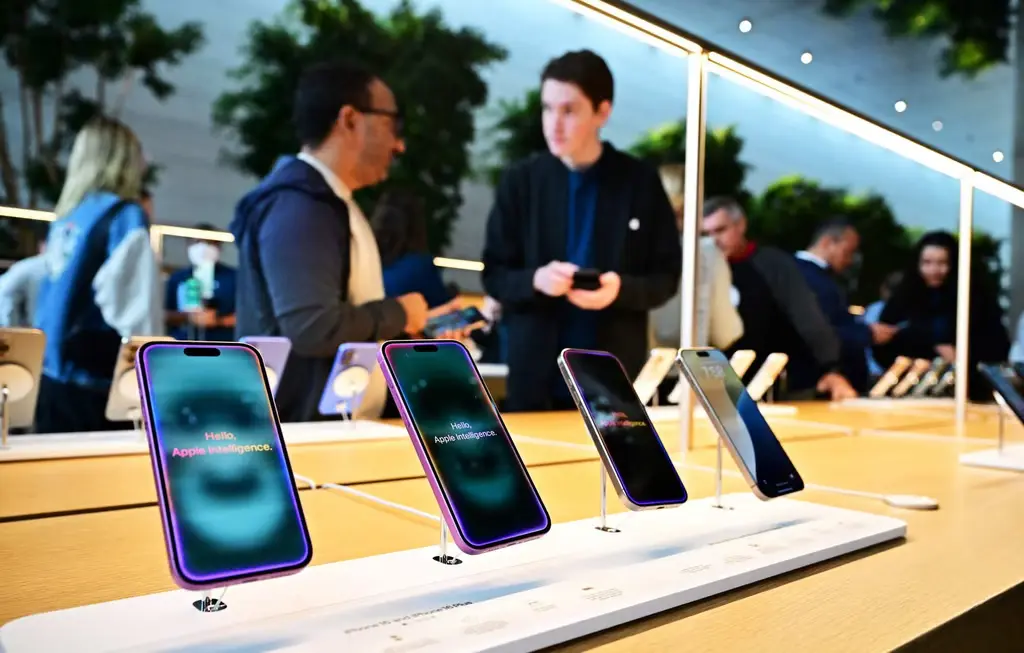
Indonesia Halts iPhone 16 Sales as Apple Falls Short on Investment Promises
Indonesia Halts iPhone 16 Sales as Apple Falls Short on Investment Promises.
One-stop reference
Company Intelligence
Every listed company in Latin America — financials, ownership and structure for 1,450+ companies across 26 exchanges, in one place.
Browse the directory →
RT
Ask Rio Times
17 years of Latin America reporting, on demand.
Open the full Ask Rio Times →

CEO Tim Cook announced plans for a fourth academy in Bali during his April 2024 visit to Jakarta. The ban has forced some Indonesian Apple fans to seek alternative purchasing options.

Buying devices from neighboring countries like Malaysia and Singapore has become a popular workaround. However, this solution comes with additional costs.

Importing an iPhone 16 from Singapore to Indonesia could cost up to 18 million rupiah ($3,2 million), including taxes and registration fees. This situation may set a precedent for other countries to impose stricter reviews on foreign investments.

It could also increase operating costs for international mobile phone manufacturers in emerging markets. The decision may impact Apple’s growth strategy in these markets, which Cook emphasized during a May 2024 earnings call.

Impact on Apple’s Growth and Local Industry

Apple has not yet publicly addressed the ban. During his Jakarta visit, Cook expressed interest in expanding Apple’s manufacturing base to Indonesia after discussions with President Joko Widodo.

To resume iPhone 16 sales, Apple must address the investment shortfall and renew its TKDN certification. The Indonesian government’s stance reflects its efforts to boost domestic industry and increase local content in products sold within its borders.

This policy requires mobile phone manufacturers to achieve specific local investment and production targets. The government aims to promote the use of Indonesian-made parts and materials in products sold in the country.

As the world’s fourth most populous nation with about 300 million people, Indonesia represents a significant market for tech companies.

The current situation underscores the delicate balance between attracting foreign investment and protecting local industries. It also raises questions about the effectiveness of such policies in fostering domestic technological growth.

The ban on iPhone 16 sales in Indonesia serves as a reminder of the complex relationship between global corporations and national governments.

As companies expand into new markets, they must navigate varying regulatory landscapes and investment requirements. This incident may prompt other tech giants to reassess their strategies in emerging markets.

This article was produced by The Rio Times’ automated newsroom system. How we use AI · Report an error

Read More from The Rio Times

The Rio Times · Power Map
See who really holds power in Latin America
Click to open the Power Map

Rotate for Best Experience

This report is optimized for landscape viewing. Rotate your phone for the full experience.