Illuminating the Sahel: Burkina Faso’s €6 Million Solar Leap
Burkina Faso’s renewable energy landscape is undergoing a transformative shift. The African Development Bank (AfDB) has approved a €6 million grant for the Dédougou solar project.
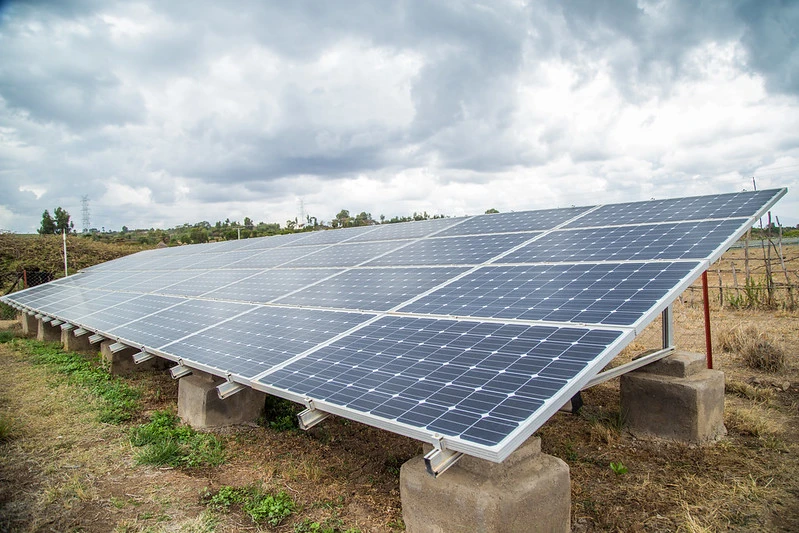
This funding, provided through the Sustainable Energy Fund for Africa (SEFA), will power an 18-megawatt solar plant in western Burkina Faso.
The Dédougou project, situated 250 kilometers west of Ouagadougou, forms part of the AfDB’s Desert-to-Power initiative.
This ambitious program aims to generate 10 gigawatts of solar energy across 11 Sahel countries by 2030. Burkina Faso stands as one of five priority nations in this expansive effort.
SEFA’s support package includes a €2.5 million senior concessional loan and a €3.5 million reimbursable grant. These funds will flow to Dédougou Solaire SARL, the project company jointly developed by QAIR.
In addition, the project has secured additional senior and subordinated loans, along with a 25-year power purchase agreement with SONABEL.
The COVID-19 pandemic initially threatened the project’s viability, causing cost escalations and financial hurdles. SEFA‘s COVID-19 IPP Relief Programme intervened by providing concessional financing.
However, this assistance aimed to restructure arrangements and absorb pandemic-related cost increases. This intervention maintained the structure agreed upon with the Burkinabe government.
Renewable Energy Initiative
Dr. Daniel Schroth, Director of the AfDB’s Renewable Energy Department, emphasized the project’s importance. He highlighted its contribution to Burkina Faso‘s renewable energy capacity and alignment with Desert-to-Power objectives.
The project promises to enhance energy security and improve millions of lives across the Sahel. Abdoulaye Touré, Chief Financial Officer of Qair Africa, expressed gratitude for SEFA’s support.
He reaffirmed the company’s commitment to Burkina Faso’s energy goals, noting that this project follows their successful Zano solar plant commissioning just a year ago.
In addition, the Sahel region faces significant energy challenges, with power generation capacity averaging just 35 watts per capita.
This figure represents only a third of the Sub-Saharan African average and a mere 4% of the global average. Two-thirds of the Sahel’s population lacks electricity access, underscoring the region’s energy poverty.
In short, Burkina Faso’s total electricity generation stood at approximately 1,551 GWh in 2019, heavily reliant on fossil fuels. The Dédougou project, while modest in size, signifies a crucial step towards diversifying the country’s energy mix.
This article was produced by The Rio Times’ automated newsroom system. How we use AI · Report an error · Editorial responsibility: Matthias Camenzind, Editor-in-Chief
Part of our ongoing coverage
Africa: The New Scramble — the great-power contest over the continent.