
BENIN · DEVELOPMENT FINANCE
Key Facts
- The country Benin is a West African nation of farmers on the Gulf of Guinea, between Nigeria and Togo, with Cotonou as its main city.
- What happened IFAD, a United Nations farm fund, announced US$37.1 million of loans to Benin on Monday 26 October 2026.
- The numbers The project costs US$149.1 million over eight years and aims to place 21,000 young people in farm work by 2033.
- Who pays IFAD supplies 25% of the cost, all as loans that Benin repays over 25 to 40 years.
- Still open A US$15 million gap in the project budget has no lender yet.
IFAD rural development lending is behind the US$37.1 million deal that Benin and IFAD announced on Monday 26 October 2026. IFAD, the International Fund for Agricultural Development, is a Rome-based United Nations agency that lends to poor countries for farming.
This explainer answers who IFAD is, what its new project in Benin targets, and who pays and who runs it. It follows our news report on the Benin deal, which covers the agreement itself.
IFAD Rural Development in Plain English
IFAD is both a United Nations agency and a development bank for the countryside. It was set up in 1977 after the 1974 World Food Conference in Rome, a meeting called in response to famine in Africa’s Sahel region.
Its job is to fight hunger and poverty among rural people in poor countries, mostly small farmers. Instead of buying food, it finances projects that teach, equip and fund those farmers.
Projects run on loans to governments, so each deal is a contract between IFAD and a national treasury. IFAD rural development projects usually combine training, land access, small business credit and insurance.
Who Pays for IFAD and Who Runs It
IFAD rural development depends on member countries, which refill the fund in rounds called replenishments. The current round, IFAD13, targets US$1.875 billion in new contributions to support up to US$3.64 billion in loans and grants.
By 31 December 2024, members had pledged US$1.41 billion, or 75% of that target. IFAD’s August 2024 pledge list shows the United States at US$162 million, Germany at about US$96 million and Benin at US$400,000.
Member governments run IFAD through a Governing Council and a smaller Executive Board, which approves each loan. The Benin proposal reached the Executive Board in May 2026 under a no-meeting procedure.
What the Benin Project Targets
The new project is called ProPEA, from its French name. Its English title is the Vocational Training, Employment and Rural Entrepreneurship Promotion Project, and it runs from 2026 to 2033 in seven farming zones.
IFAD plans to reach more than 360,000 people in about 50,000 rural households. About 60% of the target group are young people, 45% are women and 2% are people with disabilities.
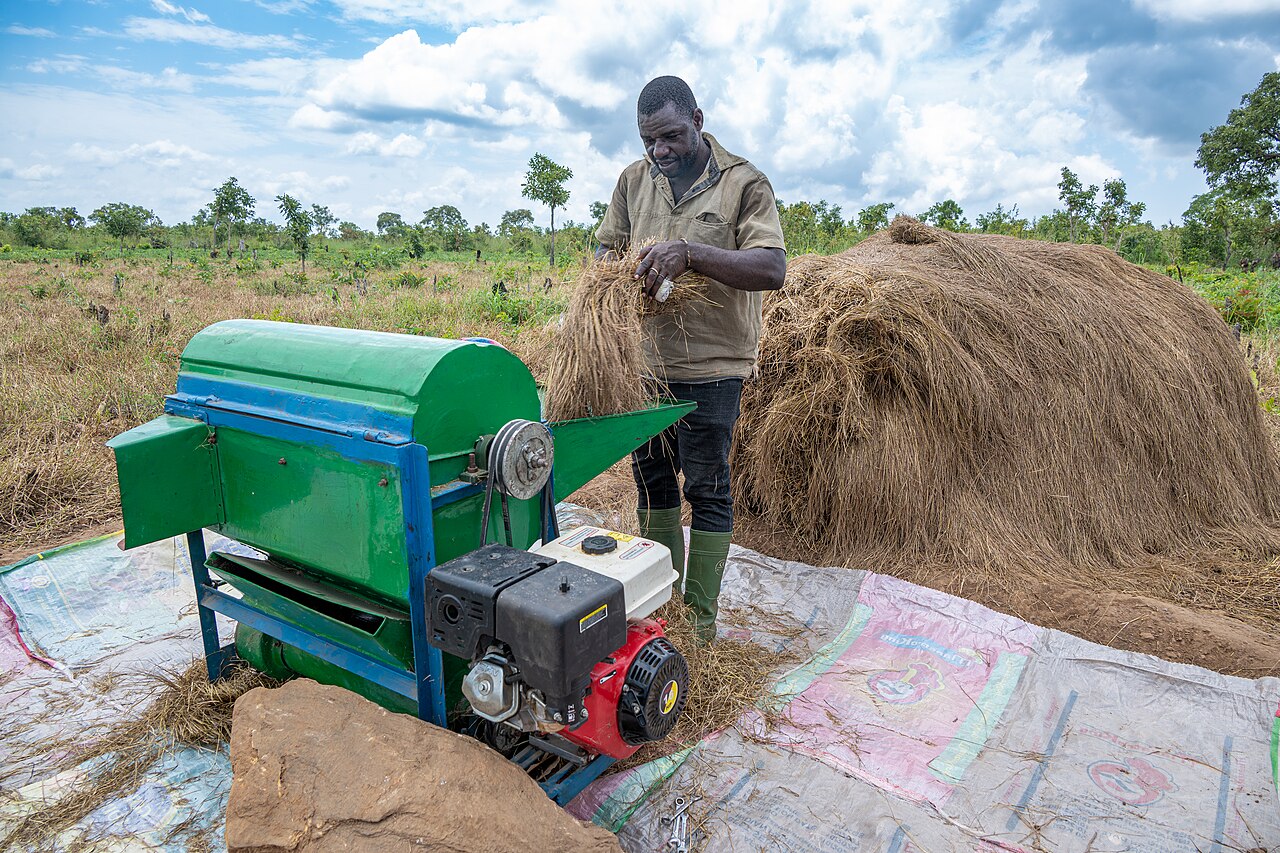
By 2033 the project aims to place 21,000 young people in farm work, about 16,000 in their own businesses and 5,000 in paid jobs. It also plans to finance 12,600 small farm businesses and to restore water works on 6,000 hectares (about 14,800 acres).
Training, access to land, business advice and farm insurance come together in one package. The crops in focus include rice, maize, vegetables and fruit.
Who Pays for ProPEA and What Benin Owes
The total cost is US$149.1 million, and IFAD covers US$37.1 million of it, or 25%. That share comes as three loans, not gifts, worth US$14.8 million, US$14.8 million and US$7.5 million.
The cheapest loan runs 40 years, with a 10-year grace period and a 0.75% annual service charge. The loan on ordinary terms runs 29 years, with a 10-year grace period and interest tied to IFAD’s own borrowing costs.
The OPEC Fund for International Development, a lender backed by oil-exporting countries, adds a US$35 million loan. The Global Environment Facility, a climate and nature fund, gives a US$10 million grant.
Private banks and investors are expected to put in US$21.2 million, the farmers themselves US$20.5 million and the Beninese state US$10.3 million. A US$15 million gap remains, which later IFAD funding rounds may fill if the Executive Board agrees.
Who Runs the Project on the Ground
The Ministry of Agriculture, Livestock and Fisheries is the executing agency, working through an existing IFAD-backed programme office called ProCaR. A national steering committee headed by the Ministry of Economy and Finance guides it.
A new team will be hired for training, farm business, markets and procurement, and regional units will carry out the field work. IFAD and the government hold a yearly supervision mission, a mid-term review in year four and a final review before closing.
IFAD opened a country office in Cotonou on 11 March 2025, which also covers Togo. IFAD’s vice-president said the fund has worked with Benin since 1978 and has reached more than 500,000 farming households.
Why IFAD Matters for Benin’s Rural Economy
IFAD rural development matters in Benin because farming employs more than half of the people and produces over 20% of economic output. Even so, rural poverty stood at 40.6% in 2022, and 32% of children under five are stunted.
Young people face the highest rates of underemployment and often cannot get land or credit. IFAD says ProPEA is built to close that gap.
IFAD calculates an economic return of 19.77% a year and a benefit-cost ratio of 2.21 for the project. Those are IFAD’s own projections, not results, and they depend on farmers repaying credit and finding buyers.
The risks it lists are insecurity in northern Benin, weak basic skills among young trainees and worsening weather. The International Monetary Fund (IMF) rated Benin’s risk of debt distress as moderate in June 2025, according to the project document.
What It Means for US Readers
The United States is a major IFAD donor, so US money sits in the fund behind loans like this one. Its pledge to the IFAD13 round stood at US$162 million.
IFAD rural development also touches security and migration, because jobs for young people in rural West Africa ease pressures behind both. Northern Benin faces jihadist violence, which our report on Benin’s new era and its jihadist north describes.
For investors, the deal shows lenders backing farm businesses in a fast-growing economy, as our report on Benin’s 7% growth shows. Part of the money is cheap, with 40-year terms at 0.75%, but it is small next to Benin’s wider budget needs.
Readers who follow aid can compare the US$55 million IFAD top-up for Kenya’s livestock project. IFAD rural development lending works the same way there.
What Is Not Known
It is not known who will fill the US$15 million gap or when the first loan money will reach farmers. IFAD has not said when the project team will be hired.
The 21,000-job target is a plan for 2033, not a count of jobs created. No independent review has yet tested whether trained young farmers find land, credit and buyers.
More: Africa news in English, every day from The Rio Times.
Frequently Asked Questions
What is IFAD?
IFAD is the International Fund for Agricultural Development, a United Nations agency based in Rome. IFAD rural development lending aims to raise the incomes of poor rural people, mainly small farmers.
What does ProPEA aim to do in Benin?
ProPEA aims to train and place 21,000 young people in farm work by 2033. It also plans to finance 12,600 small farm businesses and reach about 50,000 rural households.
Is the IFAD money a gift or a loan?
All US$37.1 million of IFAD rural development money is lent to Benin, on terms running 25 to 40 years. Only the US$10 million from the Global Environment Facility is a grant.
Who runs the project in Benin?
Benin’s Ministry of Agriculture, Livestock and Fisheries runs it through an existing IFAD-backed programme office. IFAD supervises with a yearly mission and a mid-term review.
Why should US readers care?
The United States is a major IFAD donor, pledging US$162 million to its current funding round. Rural jobs in West Africa also bear on migration and security in the region.
Sources: International Fund for Agricultural Development (IFAD): President’s report on the proposed loan to Benin, EB 2026/LOT/P.5, 14 May 2026; IFAD: Report on the status of the Thirteenth Replenishment, GC 48/L.2, 31 December 2024; IFAD: Communication on contributions and votes for the Thirteenth Replenishment, 29 August 2024; Government of Benin: inauguration of the IFAD country office in Cotonou, 11 March 2025.
This article was produced by The Rio Times’ automated newsroom system. How we use AI · Report an error · Editorial responsibility: Matthias Camenzind, Editor-in-Chief