Kenya Livestock Project Gets US$55 Million More From IFAD
KENYA · AGRICULTURE
Key Facts
- —What happened The International Fund for Agricultural Development approved an extra US$55 million, about Sh7.1 billion, for the Kenya Livestock Commercialization Project.
- —What the project is KeLCoP, a rural development programme that helps smallholders sell sheep, goats, poultry and honey rather than keep them for subsistence.
- —The size now IFAD puts the current total cost at about US$90.11 million. The design approved at launch was roughly US$81 million.
- —Where it runs Arid and semi-arid counties where rainfall is unreliable and livestock is the main store of value.
- —Who said it IFAD country director for Kenya Matteo Marchisio.
- —What is not settled IFAD has not published a household target for the additional money, nor a county-by-county breakdown.
The UN farm fund is putting more money into Kenyan goats, sheep and bees, and less into cattle.
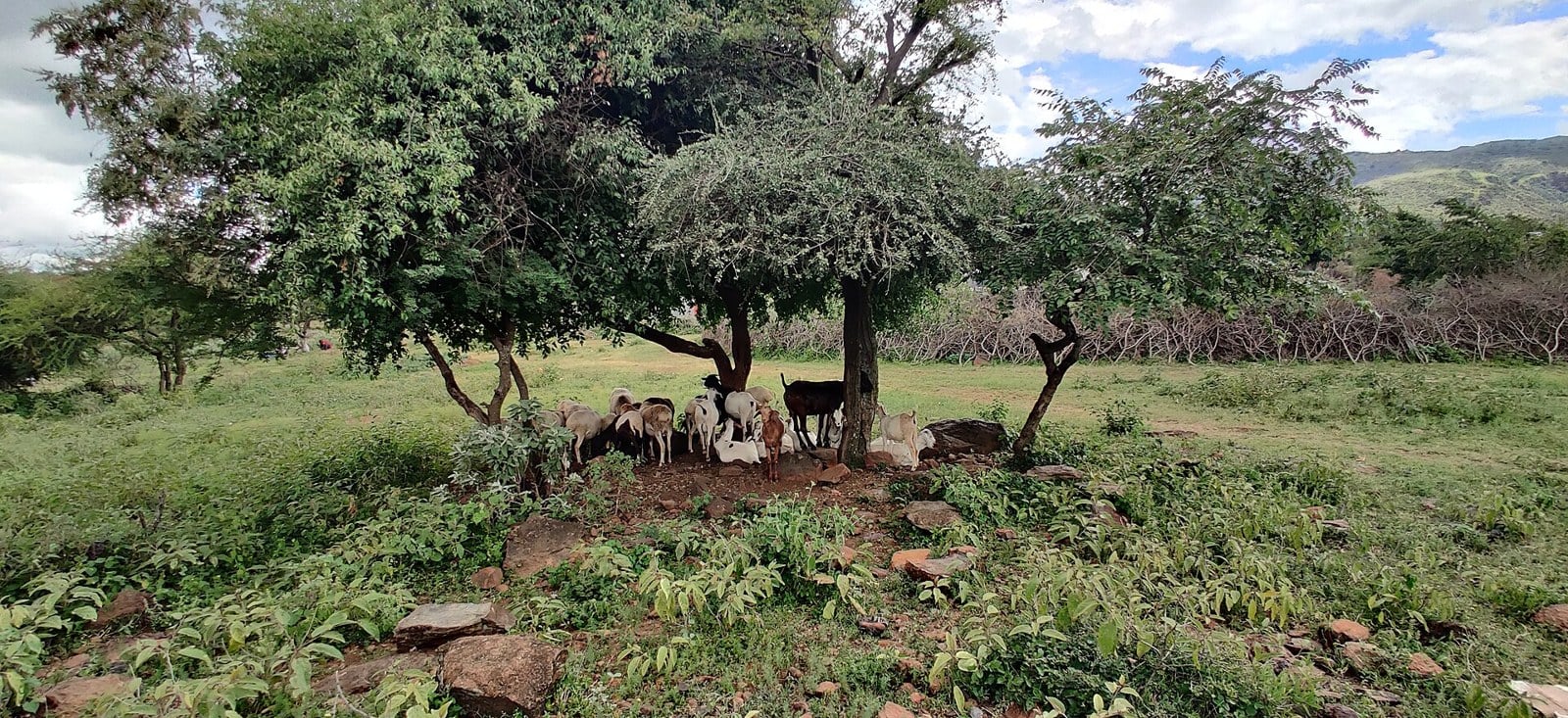
The International Fund for Agricultural Development has approved an additional US$55 million, about Sh7.1 billion, for the Kenya Livestock Commercialization Project. IFAD country director Matteo Marchisio said the money extends a programme running in Kenya’s dryland counties.
What KeLCoP Actually Does
The Kenya Livestock Commercialization Project works with smallholders who keep animals mainly as savings.
It funds breeding stock, veterinary services, fodder production and the market links that turn animals into income.
The value chains it covers are sheep, goats, poultry and beekeeping rather than dairy or beef cattle.
Those are the animals that survive a dry year, which is why a drought-exposed programme builds around them.
The Money, Corrected
The new approval is US$55 million, which at current rates is about Sh7.1 billion.
IFAD lists the project’s current total cost at roughly US$90.11 million, financed with the government and other partners.
The figure approved when the project was designed was closer to US$81 million.
The difference between those numbers is co-financing added since launch, not a single new cheque.
Why Goats and Not Cattle
A goat eats browse that cattle will not touch and needs far less water.
In a failed season a herder can sell goats in small numbers without losing the whole herd.
Poultry turns over in weeks, which gives households cash between livestock sales.
Beekeeping needs almost no land and pays in a commodity that stores well and travels.

The Drought Context
Kenya’s arid and semi-arid lands cover most of the country’s land area and carry much of its livestock.
The region has moved through repeated failed rainy seasons over the past five years.
Each failure pushes pastoralists to sell animals cheaply at exactly the moment everyone else is selling.
Programmes like KeLCoP try to break that cycle by building markets that work before the crisis, not during it.
What the Money Buys on the Ground
Aggregation points where traders can buy in volume, which raises the price a herder receives.
Fodder and pasture work, so animals hold condition through a dry spell instead of losing weight.
Animal health services, because a treated flock is worth more than an untreated one.
And the paperwork of formal trade, which is what separates a market from a roadside sale.
The Case Against
Livestock commercialisation has critics, and their objection is not a small one.
Pushing pastoralists toward markets can concentrate herds in the hands of those who already have capital.
Researchers on East African drylands argue that mobility, not market access, is what keeps herders alive in a drought.
IFAD’s own evaluations of earlier Kenyan projects have flagged slow disbursement and weak county capacity.
Who Gains and Who Does Not
Households in the target counties gain access to services that commercial lenders do not offer them.
Traders and small processors gain a more predictable supply of animals and honey.
Counties outside the programme get nothing from this approval, which widens the gap between them.
And the gains depend on disbursement speed, which in Kenyan rural projects has often been the weak point.
Development Finance as Strategy
IFAD is a United Nations agency that lends on concessional terms to farm and rural projects.
Climate funds have moved into the same space, financing adaptation work that used to sit with aid budgets.
For Kenya, that means livestock policy is now written partly in the language of climate finance.
It also means the terms of the money shape which animals a herder is encouraged to keep.
What to Watch
The first disbursement, which shows whether the approval turns into money in county accounts.
Any published household target, which would allow the programme to be measured against a number.
Livestock prices in the target counties through the next dry season.
And whether the government matches the IFAD money on the schedule it has agreed.
More: Africa news and analysis, every day from The Rio Times.
Frequently Asked Questions
How much did IFAD approve for Kenya?
An additional US$55 million, about Sh7.1 billion, for the Kenya Livestock Commercialization Project.
What is KeLCoP?
A rural development programme helping smallholders commercialise sheep, goats, poultry and beekeeping in Kenya’s dryland counties.
How big is the project in total?
IFAD puts the current total cost at about US$90.11 million. The design approved at launch was around US$81 million.
Who announced it?
Matteo Marchisio, IFAD’s country director for Kenya.
Why does it focus on goats and sheep?
Small stock survive drought better than cattle and can be sold in small numbers without breaking up a herd.
How many households will it reach?
IFAD has not published a household target for the additional financing.
Sources: International Fund for Agricultural Development project record for the Kenya Livestock Commercialization Project, IFAD Kenya country office.
This article was produced by The Rio Times’ automated newsroom system. How we use AI · Report an error
Read More from The Rio Times