
BENIN · RURAL JOBS
Key Facts
- The country Benin is a West African country of farmers on the Gulf of Guinea, between Nigeria and Togo.
- What happened IFAD, a United Nations farm-development fund, announced US$37.1 million for Benin’s ProPEA project on Monday 26 October 2026.
- The goal ProPEA aims to train and place 21,000 young people in farm jobs and farm businesses by 2033.
- The size The eight-year project costs US$149.1 million in total, so IFAD pays about one dollar in four.
- Who else pays The OPEC Fund is down for US$35 million and the Global Environment Facility for US$10 million.
- Still open US$15 million of the budget has no funder yet, and money for it needs a new IFAD board vote.
IFAD Benin funding of US$37.1 million was announced on Monday 26 October 2026 to help young rural people find farm work or start farm businesses. IFAD is the International Fund for Agricultural Development, a United Nations agency in Rome that lends to poor farming countries.
For American readers, the IFAD Benin funding tests whether cheap development loans can turn young villagers into farm entrepreneurs next to Nigeria. Our explainer, What Is IFAD and Why It Matters for Benin, covers who the fund is and how it works.
What IFAD and Benin Agreed
IFAD’s statement is dated Monday 26 October 2026 and covers ProPEA, a French-named project on job entry and farm entrepreneurship. In English, IFAD’s board paper calls it the Vocational Training, Employment and Rural Entrepreneurship Promotion Project.
The fund’s board paper of 14 May 2026 describes the IFAD Benin funding as three loans to the Republic of Benin. The gentlest loan runs 40 years with a 10-year grace period and a 0.75% yearly service charge.
In Plain English
A grace period means no principal is repaid for the first ten years. A service charge is a small yearly fee rather than a full interest rate.
A hub is one of Benin’s seven farming zones, each built around local crops, training schools and markets. ProPEA works in all seven, with a focus on rice, maize, vegetables and fruit.
Who Pays for the US$149.1 Million Plan
The project is budgeted at US$149.1 million for 2026 to 2033, and the IFAD Benin funding of US$37.1 million is 25% of it. The OPEC Fund, a development bank backed by oil-producing states, is planned to lend US$35 million.
The Global Environment Facility, a fund for climate and nature projects, is planned to give a US$10 million grant. Banks and private firms are expected to put in US$21.2 million, farmers and trainees US$20.5 million and the Beninese state US$10.3 million.
How the Money Targets Youth Jobs
ProPEA aims to reach 150,000 people with information and guidance, train 75,000 of them and give 40,000 the full package of help. About 21,000 young people are to be placed in farm jobs or farm businesses by 2033.
The package combines training, help finding land, advice, loans and farm insurance. It also plans to finance 12,600 small farm businesses and restore water systems on 6,000 hectares (about 14,800 acres).
Why Rural Benin Needs Farm Jobs
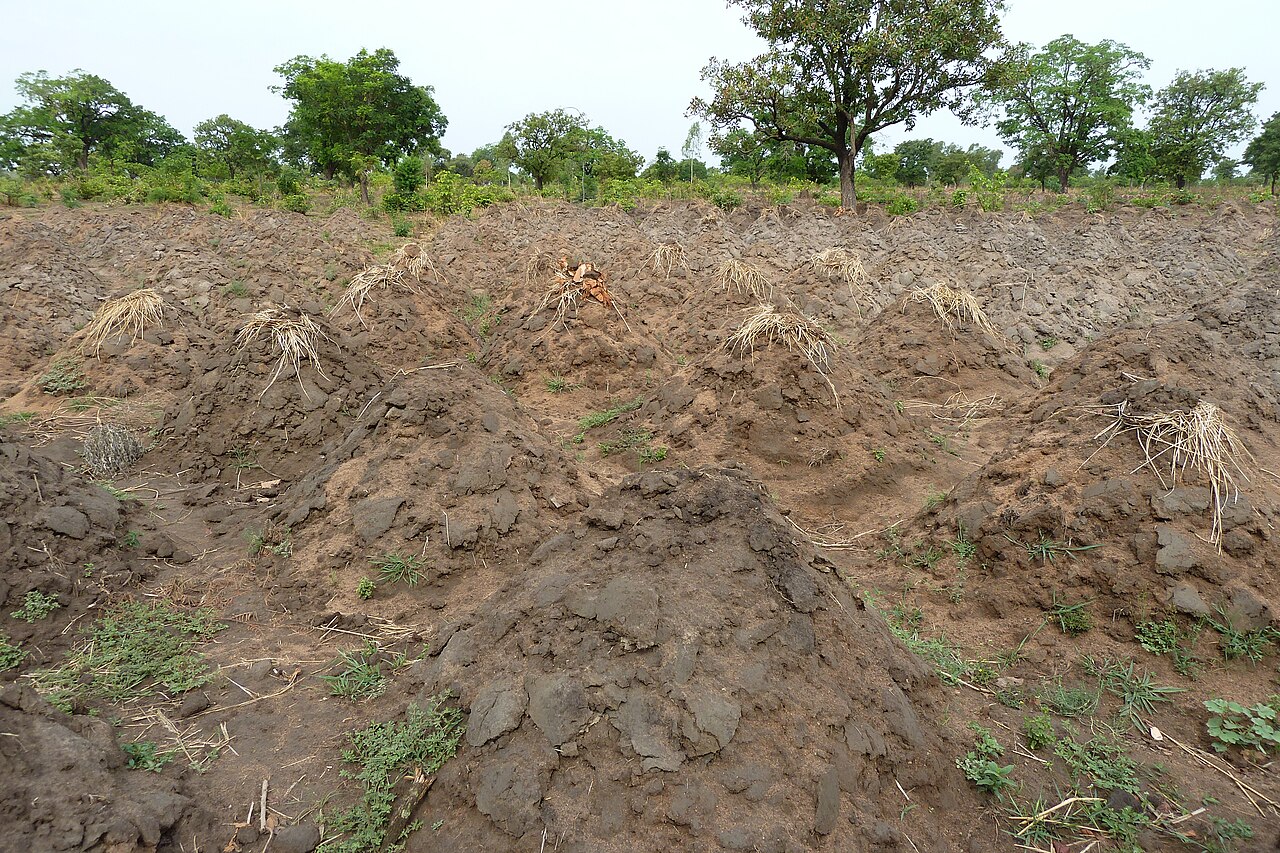
Agriculture employs more than half of Benin’s people and produces over 20% of its economic output, IFAD’s board paper says. Rural poverty stood at 40.6% in 2022, and young people have the highest rates of underemployment, meaning too little or too poorly paid work.
The project aims to reach about 50,000 rural households, more than 360,000 people. Young people are to be 60% of participants, women 45% and people with disabilities 2%.
Risks Named in IFAD’s Own Paper
IFAD lists three main risks: security in northern Benin, thin basic skills among some trainees, and more severe weather. It ranks Benin 16th among the countries most exposed to climate change.
The Ministry of Agriculture, Livestock and Fisheries runs the project, and IFAD plans yearly supervision missions and a midterm review in year four. The fund notes that the International Monetary Fund still rates Benin at moderate risk of debt trouble.
What It Means for US Readers
American policymakers watch jobs for young people in West Africa, where Sahel violence is moving south. The IFAD Benin funding is one tool meant to ease that pressure in rural areas.
For US farm-equipment and training firms, US$74.8 million for training and US$59 million for farm businesses signal future tenders. Our report on Benin’s Glo-Djigbé zone power plans shows where private money already flows.
What Is Not Known
IFAD has not said when the first IFAD Benin funding will be paid out or when the project formally starts. Its board paper expects spending to peak at US$40.8 million in the fourth year.
The OPEC Fund and Global Environment Facility amounts are plans in the board paper, and no signing for them has been announced. The remaining US$15 million gap could come from later IFAD lending, which needs a fresh board approval.
More: Africa news in English, every day from The Rio Times.
Frequently Asked Questions
What is IFAD?
IFAD is the International Fund for Agricultural Development, a United Nations agency based in Rome. It lends money and gives grants to help poor farming communities.
How big is the IFAD Benin funding?
The IFAD Benin funding is US$37.1 million, about 25% of the project’s US$149.1 million total cost. Other lenders, private firms, farmers and the Beninese state cover the rest.
What does ProPEA stand for?
ProPEA is the French short name for a project on job entry and farm entrepreneurship. IFAD’s English title is Vocational Training, Employment and Rural Entrepreneurship Promotion Project.
How many jobs is ProPEA meant to create?
The project aims to place 21,000 young people in farm jobs or farm businesses by 2033. It also plans to finance 12,600 small and medium farm businesses.
Is the money a grant or a loan?
IFAD’s board paper describes the IFAD Benin funding as three loans, one on highly concessional terms. Benin repays them over 25 to 40 years.
Sources: IFAD Executive Board, President’s report on the proposed loan to Benin (EB 2026/LOT/P.5), 14 May 2026; IFAD Executive Board, rapport du Président sur le prêt proposé au Bénin (French version of EB 2026/LOT/P.5), 14 May 2026.
This article was produced by The Rio Times’ automated newsroom system. How we use AI · Report an error · Editorial responsibility: Matthias Camenzind, Editor-in-Chief