Money Returned in Ibiraçu After a 12-Day Search for Its Owner
BRAZIL · ESPÍRITO SANTO
Key Facts
- —What happened A consultant found more than R$1,000 (about US$196) on the ground in Ibiraçu and returned it to the man who lost it.
- —Who found it Pedro Moro, a business consultant in the town.
- —Who lost it Matheus Reginaldo Celestino, 24, a bricklayer’s assistant.
- —Lost Friday 28 August 2026, at a churrasquinho stand in the town centre.
- —Returned Wednesday 9 September 2026, on the same square where it was found.
- —The search Twelve days. Moro withheld identifying details of the cash so any claimant could be checked.
The money was a week’s pay and it was owed to a four-year-old’s maintenance account. Twelve days later it went back to the man who earned it.

Money returned in Ibiraçu this month took twelve days to find its way home, after a business consultant picked up more than R$1,000 (about US$196) from the ground in the town centre and set about finding the person who had dropped it.
How the Money Was Lost
Matheus Reginaldo Celestino, 24, works as a bricklayer’s assistant. On Friday 28 August he had been paid for a job and was carrying the cash in his trouser pocket.
He stopped at a churrasquinho, one of the small charcoal-grill stands that serve skewered meat on Brazilian street corners. When he pulled out a packet of cigarettes, the notes came with them and fell to the pavement without his noticing.
He realised what had happened later and, by his own account to Brazilian outlets, had given up on getting it back. Cash dropped in a public square is not usually recoverable.
What the Cameras Show
Ibiraçu’s town centre is covered by security cameras, and the footage sets out the sequence without ambiguity.
Matheus walks past. A short time later the money is visible on the ground. Minutes after that, Pedro Moro, a business consultant who works in the town, stops, picks up the notes and walks on.
That recording is what turned an unprovable claim into a documented one, and it is the reason the case could be reported as fact rather than as a story someone told about themselves.
Twelve Days
Moro did not hand the money to the police and did not post a photograph of it. He told this newsroom that he deliberately kept the identifying details of the cash to himself — the denominations, how the notes were folded, the exact sum — so that anyone who came forward could be tested against facts only the real owner would know.
That precaution is the part of the story that is easy to skip past and hardest to improvise. A public appeal with the amount attached invites claimants; an appeal without it invites only the person who already knows.
The search ran for twelve days. Residents of Ibiraçu circulated the account on social media, and it was friends of Matheus who recognised the description and put the two men in contact.
The Handover
On the morning of Wednesday 9 September, the two met on the same square where the money had been found, and Moro returned the full amount.
Matheus had a specific use for it. He told Brazilian outlets the cash was to cover “a pensão e outras despesas da filha” — child maintenance and other costs for his daughter.
What US$196 Is Worth in Ibiraçu
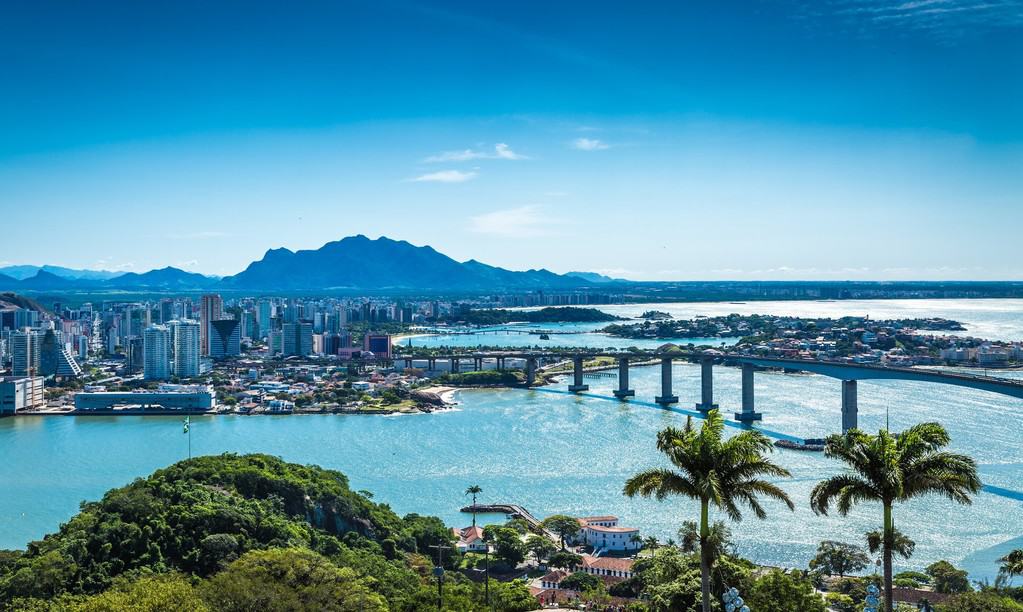
Ibiraçu is a municipality of 11,723 people in northern Espírito Santo, according to the 2022 census. Its economic output per head was R$30,683.86 (about US$6,030) in 2023, on IBGE figures.
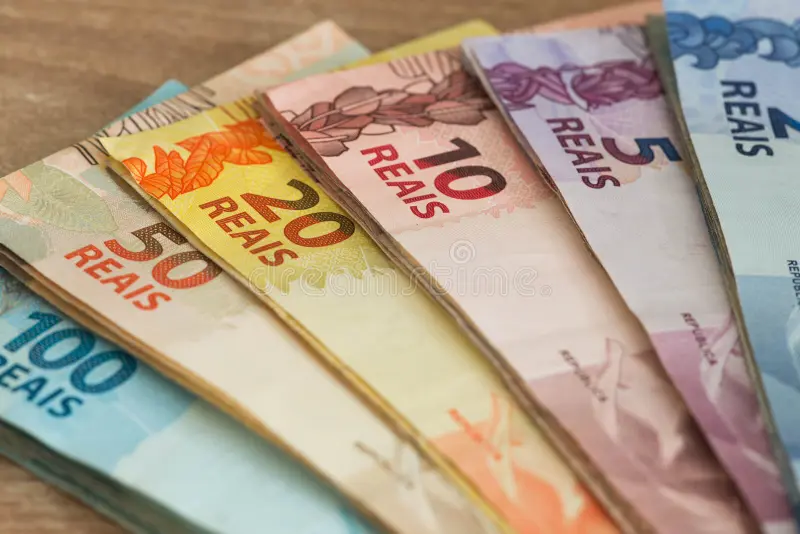
Divided across a year, that is roughly R$84 (about US$16) a day of output per resident. The sum lying on the pavement was therefore worth close to twelve days of the town’s per-capita economic activity — almost exactly the length of time it took to give it back.
That is a measure of the local economy rather than of anyone’s wages, and a bricklayer’s assistant is not paid at the per-capita rate. It does indicate the order of magnitude involved: in a town of this size, a thousand reais on the ground is not a rounding error.

Why It Travelled
Stories of returned money circulate in Brazil regularly and most do not leave the municipality where they happen. This one carried further because it came with evidence and with a timeline.
The camera footage, the twelve-day gap and the verification precaution together make it checkable in a way that the genre usually is not, and the detail about the daughter’s maintenance gave the sum a destination rather than leaving it as an abstraction.
More: Brazil news in English, every day from The Rio Times.
Frequently Asked Questions
How much money was found?
More than R$1,000, about US$196 at the early-September 2026 exchange rate.
Where did this happen?
Ibiraçu, a municipality of about 11,700 people in northern Espírito Santo, Brazil.
How was the money lost?
Matheus Reginaldo Celestino pulled a cigarette packet from his pocket at a churrasquinho stand on 28 August 2026 and the notes fell out with it.
How long did the search take?
Twelve days, from 28 August to 9 September 2026.
How was the owner verified?
Pedro Moro kept the identifying details of the cash private so that any claimant could be checked against facts only the owner would know.
What was the money for?
Matheus had been paid for construction work and intended to use it for his daughter’s maintenance and other costs.
Sources: A Gazeta (9 September 2026), Só Notícia Boa (10 September 2026), Nova Onda Online (9 September 2026), IBGE Cidades, and Pedro Moro’s own account to The Rio Times.
This article was produced by The Rio Times’ automated newsroom system. How we use AI · Report an error
Read More from The Rio Times